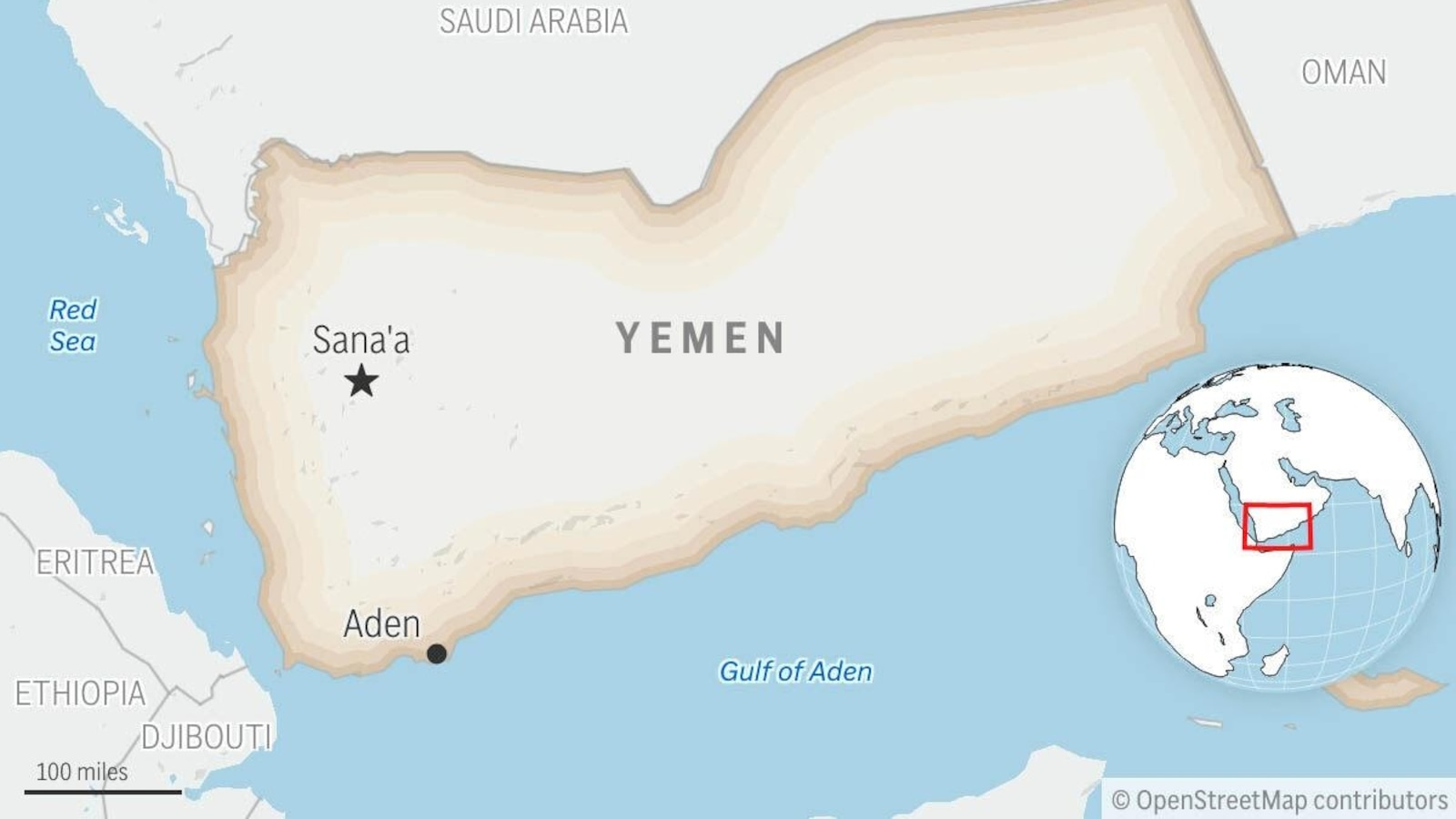
Yemen’s Southern Transitional Council announced it will be dismantled effective immediately after its leader fled to the UAE, with STC agencies and offices to be closed amid internal divisions. The decision follows STC advances into oil-rich Hadramout and al-Mahra and a subsequent counter-operation by National Shield Forces that retook Hadramout, the Aden presidential palace and camps in al-Mahra, increasing regional political risk and potential localized energy-security concerns ahead of a Saudi-hosted Riyadh conference.
Market structure: The STC dismantling and leader flight reduces the immediate probability of a southern Yemeni unilateral secession but preserves short-term volatility around oil-rich Hadramout/al-Mahra. Expect a 15–25% probability of localized export disruption in the next 7–30 days that could lift Brent by ~3–7% on a short-lived risk premium; shipping insurance (war-risk) rates could jump 20–50% for Red Sea/Gulf of Aden transits. FX and safe-haven assets (USD, gold) should see modest inflows; EM equities and sovereign credit spreads on Gulf-facing economies may widen.
Risk assessment: Tail scenarios include a breakdown into multi-front fighting (10% probability over 3–6 months) that could close chokepoints and push Brent >15% higher and regional CDS wider by several hundred basis points. Immediate (days): spikes in volatility and insurance costs; short-term (weeks–months): Riyadh conference outcome is the primary de‑risking catalyst; long-term (quarters+): a Saudi-UAE realignment or increased defence budgets raising regional defence revenue. Hidden dependency: UAE–Saudi diplomatic friction could amplify instability even if STC nominally dissolved.
Trade implications: Tactical 30–90 day plays favor buying short-dated Brent upside (call spreads) and war-risk/reinsurance exposure while hedging broad EM beta. Rotate out of high-beta EM (EEM) and into USD (UUP) and gold (GLD) on a 1–3% tactical allocation until Riyadh conference resolution (target 21–45 days). Longer-term (3–12 months) selective long on defense primes (RTX, LMT) sized 1–2% expecting re-rating if Gulf defence spend rises.
Contrarian angle: Market may over-price persistent supply shock risk—historically Yemen events give single-digit, transient oil moves absent wider Gulf escalation. If Riyadh talks succeed within 30 days, expect a mean-reversion in Brent ≥5% and tightening in EM spreads; use paired trades (long oil, short EM) with strict triggers to capture this dispersion rather than naked directional exposure.
AI-powered research, real-time alerts, and portfolio analytics for institutional investors.
Request DemoOverall Sentiment
moderately negative
Sentiment Score
-0.40
