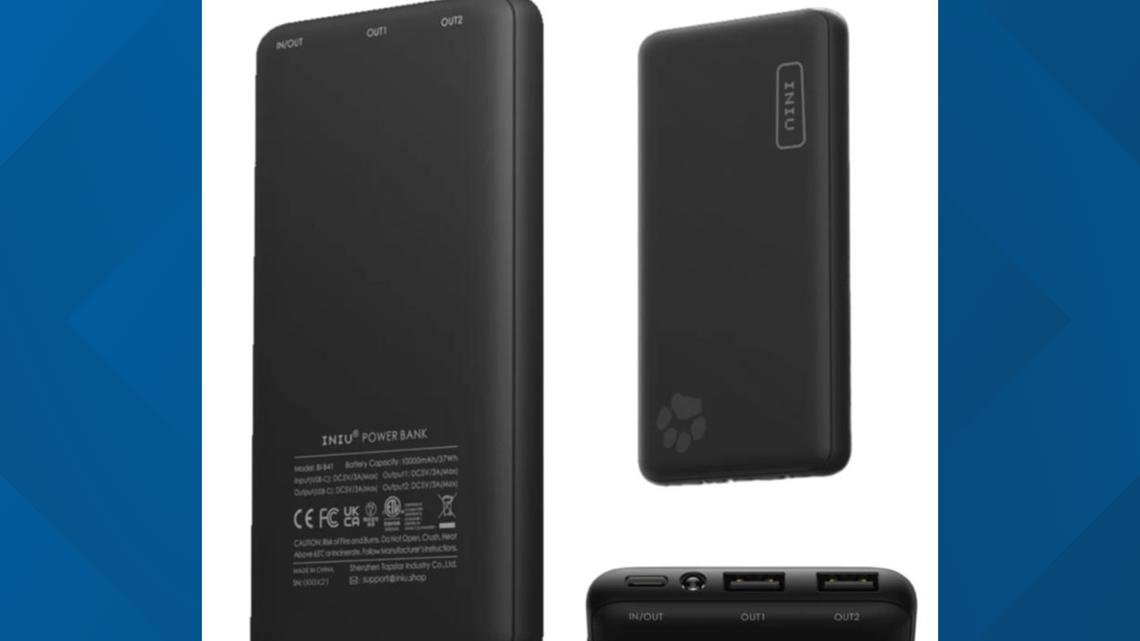
INIU has recalled more than 200,000 BI-B41 10,000mAh portable power banks sold on Amazon between August 2021 and April 2022 after at least 15 reports of overheating, including 11 fires, three minor burn injuries and over $380,000 in property damage, according to the U.S. Consumer Product Safety Commission. The recall—covering specific serial numbers and urging special disposal—creates direct operational, reputational and potential liability costs for INIU but is unlikely to be materially market-moving given the product price point and scale.
Market structure: The recall (≈200k units; ≈$3.6M retail at $18 each; $380k documented property damage) disproportionately hurts low-cost third‑party accessory sellers who compete on price and limited QA, while raising near‑term demand and pricing power for branded, certified power banks sold through vetted channels (Best Buy, Anker‑type brands). Amazon (AMZN) faces a small reputational and operational hit as the primary distribution channel for the recalled SKUs, but the direct sales impact is immaterial to revenue (<<0.01% of annual sales) — the bigger change is higher marketplace enforcement costs and potential seller vetting friction.
Risk assessment: Tail risks include a regulatory push (CPSC/FTC enforcement or stricter marketplace liability) that forces platform-level compliance costs up by an estimated 20–50 basis points of take rate or forces delisting of many low‑margin sellers, and class actions from consumers that could create multi‑month liabilities. Immediate (days): headline volatility and recall claims processing; short (weeks–months): shift in category mix into certified SKUs ahead of holiday season; long (quarters–years): higher certification/testing costs raising accessory prices by an estimated 5–15% and consolidating market share to incumbents.
Trade implications: Tactical opportunities favor quality players and service providers — long selective retailers that vet products (BBY) and short lightweight third‑party accessory plays (small private sellers or weak public peers). Option tactics: buy short‑dated puts on AMZN only if a >3% headline‑driven dip within 7 trading days or if IV rises >25% vs 30‑day average; sell covered calls on BBY to harvest elevated premia while holding for 3–6 months.
Contrarian angles: Consensus will overestimate AMZN top‑line damage and underestimate structural upside from higher marketplace standards that widen barriers to entry; the real beneficiary is the certification/testing and returns‑management ecosystem (testing labs, waste/disposal services) which is underpriced. If additional recalls exceed three distinct SKUs in 60 days, reassess for a broader sector hit; otherwise, price dislocation will be short‑lived and create buy‑the‑dip opportunities in branded retailers.
AI-powered research, real-time alerts, and portfolio analytics for institutional investors.
Request DemoOverall Sentiment
mildly negative
Sentiment Score
-0.35
Ticker Sentiment
