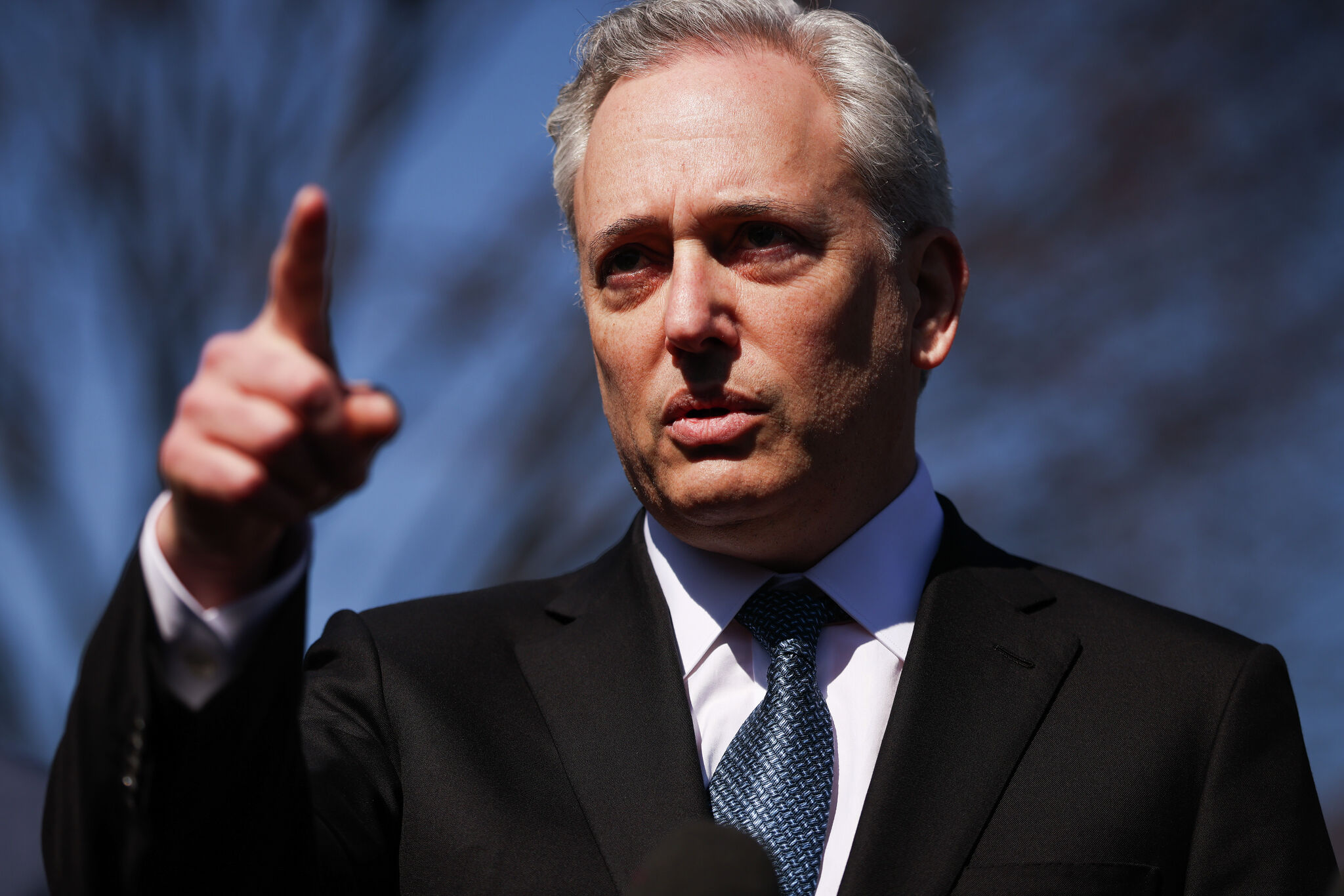
A New York Times investigation alleges White House adviser David Sacks has retained substantial AI-related investments, directly and via Craft Ventures, while advising the Trump administration on AI and crypto policy, citing a waiver that allowed him to keep Palantir holdings and highlighting ties to Nvidia CEO Jensen Huang. The piece raises conflict-of-interest and governance risks that could increase scrutiny of administration tech policy and affect investor perceptions of companies with close government exposure; Sacks and several prominent tech and finance figures publicly attacked the reporting.
Market structure: A pro‑AI, pro‑crypto policy tilt materially benefits large-cap AI infrastructure and platform players (NVDA, GOOGL, META, CRM) by accelerating GPU/cloud demand and raising pricing power for chips and enterprise AI services; expect NVDA revenue mix to see 10–20% incremental demand from government and defense over 6–18 months. Losers are mid/small‑cap AI services and politically exposed contractors (PLTR) facing reputational and procurement volatility; pricing power will bifurcate — oligopolistic suppliers up, fragmented services down.
Risk assessment: Tail risks include congressional/ethics investigations leading to temporary freezes of federal awards (PLTR downside 30–60% in worst case) or a regulatory backlash that slows private AI capex by 15–25% over 12 months. Immediate (days) risk = headline-driven volatility; short term (weeks–months) = contract announcements/waivers; long term (quarters–years) = structural capex trajectory. Hidden dependencies: chip supply chains and cloud capacity; second‑order effect = accelerated M&A by big tech to capture talent and contracts.
Trade implications: Prefer overweight semiconductors and cloud infrastructure for 3–12 months (long NVDA, CRM, GOOGL) and tactical short/put exposure to PLTR for 1–6 months on conflict/contract risk. Use relative plays (long NVDA or GOOGL vs short PLTR) and defined‑risk options (3–9 month bull call spreads on NVDA; 3–6 month PLTR puts). Rotate 5–10% from small‑cap AI services into large cap AI infrastructure.
Contrarian angles: Consensus focuses on headline ethics risk; market may be underpricing consolidation benefits to incumbents — a large PLTR drawdown could be permanent for its public multiple but amplify NVDA/GOOGL earnings. Historical parallel: post‑scandal consolidation in enterprise software (2001–2004) led to multi‑year outperformance for platform owners; watch for overdone PLTR selloffs >30% as potential asymmetric buying opportunities with tight stops.
AI-powered research, real-time alerts, and portfolio analytics for institutional investors.
Request DemoOverall Sentiment
moderately negative
Sentiment Score
-0.30
Ticker Sentiment
