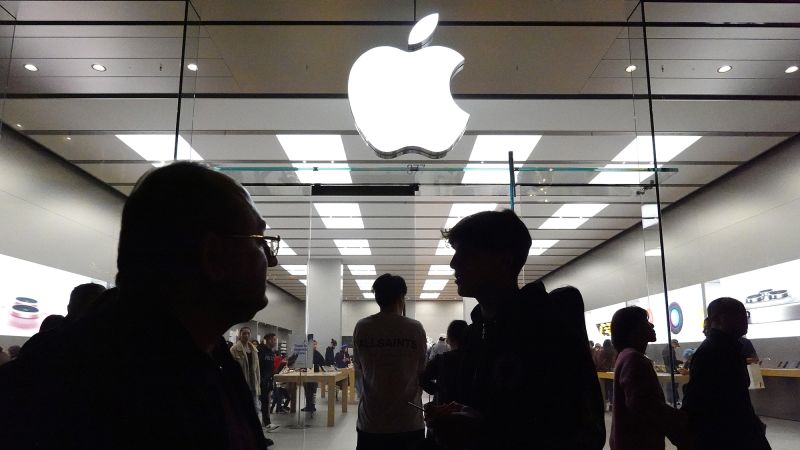
Apple's annual product launch event on Tuesday, September 9, is set to unveil the iPhone 17 lineup, highlighted by a significantly redesigned, slimmer iPhone 17 Air, alongside new Apple Watch models. Analysts widely anticipate price increases, potentially 5-10% across new iPhone models, driven by tariff impacts and a strategy to encourage higher-end purchases. Despite the major design refresh aimed at stimulating upgrades amid longer replacement cycles, firms like Morgan Stanley project flat iPhone sales in 2026, underscoring the high stakes for Apple to demonstrate the iPhone's sustained appeal and address its AI competitive position.
Apple's (AAPL) upcoming product launch centers on the iPhone 17, featuring a significantly redesigned, slimmer 'iPhone Air' model intended to stimulate consumer upgrades. This strategic design refresh aims to counteract a lengthening replacement cycle, which Morgan Stanley estimates has now reached 4.7 years. However, this potential catalyst is met with significant headwinds. Analysts widely expect price increases of 5-10% across the new models, partially to offset a projected $1.1 billion quarterly impact from tariffs. This pricing strategy, combined with modest hardware updates beyond the design, has led Morgan Stanley to forecast potentially flat iPhone sales in 2026. While a separate survey from the firm indicates a high likelihood of upgrades among US owners, the new 'Air' model may come with compromises in camera and battery life, potentially limiting its appeal. Furthermore, the event is expected to de-emphasize AI, a notable strategic choice as competitors advance, highlighting the high stakes for Apple to prove the iPhone's enduring market power through hardware innovation alone.
AI-powered research, real-time alerts, and portfolio analytics for institutional investors.
Overall Sentiment
mixed
Sentiment Score
-0.05
Ticker Sentiment
