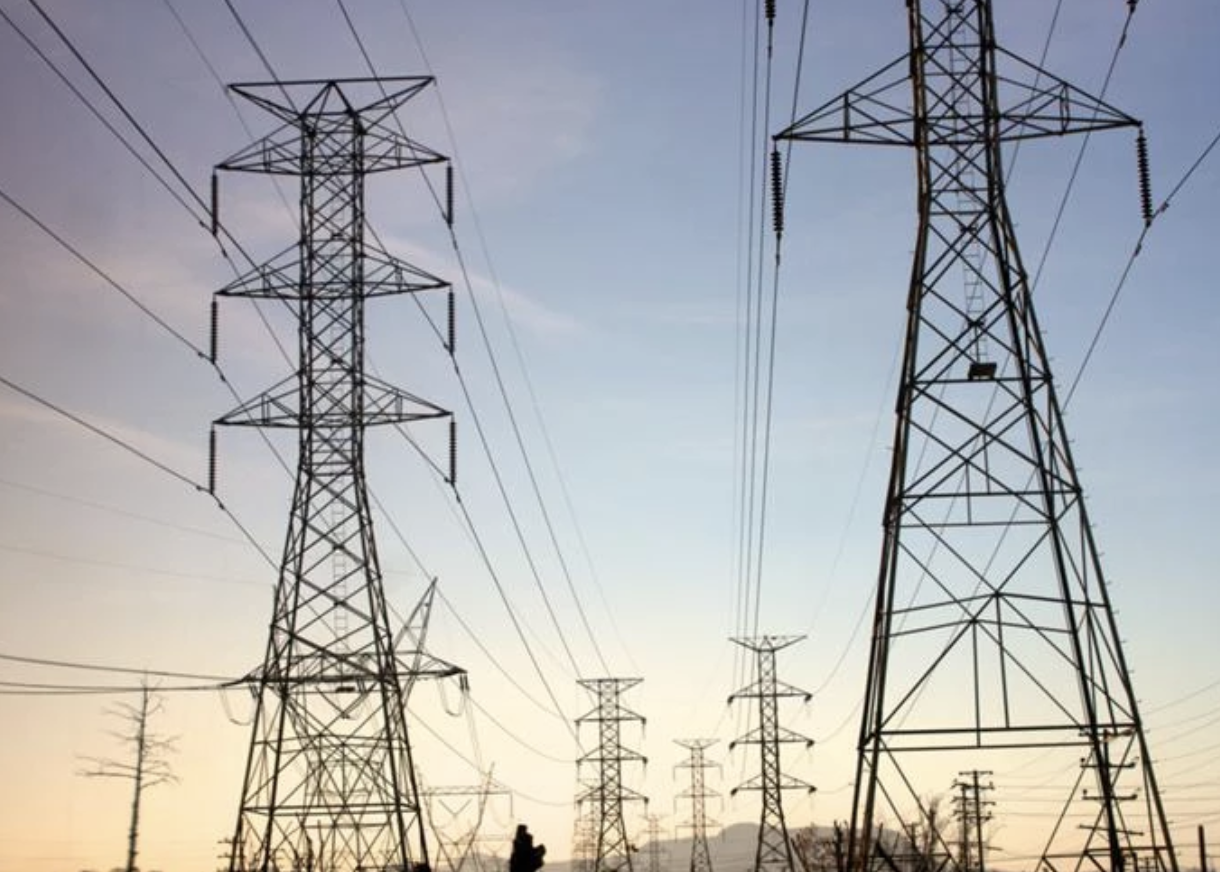
A late‑December cyberattack on Poland’s energy generator and distribution infrastructure — including two combined heat-and-power plants and a renewable-energy management system — deployed a wiper malware dubbed “DynoWiper,” which ESET obtained and analyzed. Polish authorities and ESET attribute the disruptive, erase‑focused operation with medium confidence to the Russia-linked Sandworm group; the intrusion was thwarted and officials say no blackout occurred, though they estimate a successful attack could have cut power to roughly 500,000 people. The incident heightens geopolitical and operational risk for European utilities and underscores potential near‑term upside for cybersecurity and defense contractors while prompting closer scrutiny of energy-grid resilience.
Market structure: The immediate winners are cybersecurity vendors (endpoint, OT/ICS specialists) and defense contractors that win grid-hardening mandates; expect incremental procurement budgets of 5–15% annually across EU utilities over 12–36 months. Losers are small/medium Polish energy producers, renewables asset managers running distributed generation without hardened OT, and domestic insurers facing higher operational risk premiums; equity/credit spreads for those names can widen 100–300bp in a severe scenario.
Risk assessment: Tail risks include a successful disruptive blackout (low probability, high impact) that would spike regional power and gas prices +15–40% and prompt emergency sanctions/defense spending; PLN could weaken >8% in that shock. Short-term (days) market moves should be muted; medium-term (weeks–months) will see RFPs, contract awards and bond spread repricing; long-term (years) implies structural capex into OT security and resilient grid architecture.
Trade implications: Direct plays: overweight diversified cyber exposure (ETF and selective large-caps) and small overweight to defense primes as insurance; short targeted Polish risk/EM Poland equity exposure until clarity on persistent threats or a policy response. Options: use 3–9 month call spreads on cyber names to capture elevated policy-driven TAM, and buy short-dated puts on Poland/EPOL to hedge event risk while awarding a tactical volatility premium.
Contrarian angles: Consensus lumps all cybersecurity equities together — valuation dispersion matters: mature cash-flow generators like CHKP and ABB (industrial controls) trade at cheaper multiples than growth names and may outperform if budgets shift to OT/ICS. If no follow-on attacks in 3–6 months, Polish assets may be oversold; that would be a disciplined entry point (buy-on-weakness threshold: EPOL down >12% or Poland 10y spread >+50bp vs Bund).
AI-powered research, real-time alerts, and portfolio analytics for institutional investors.
Request DemoOverall Sentiment
moderately negative
Sentiment Score
-0.30
