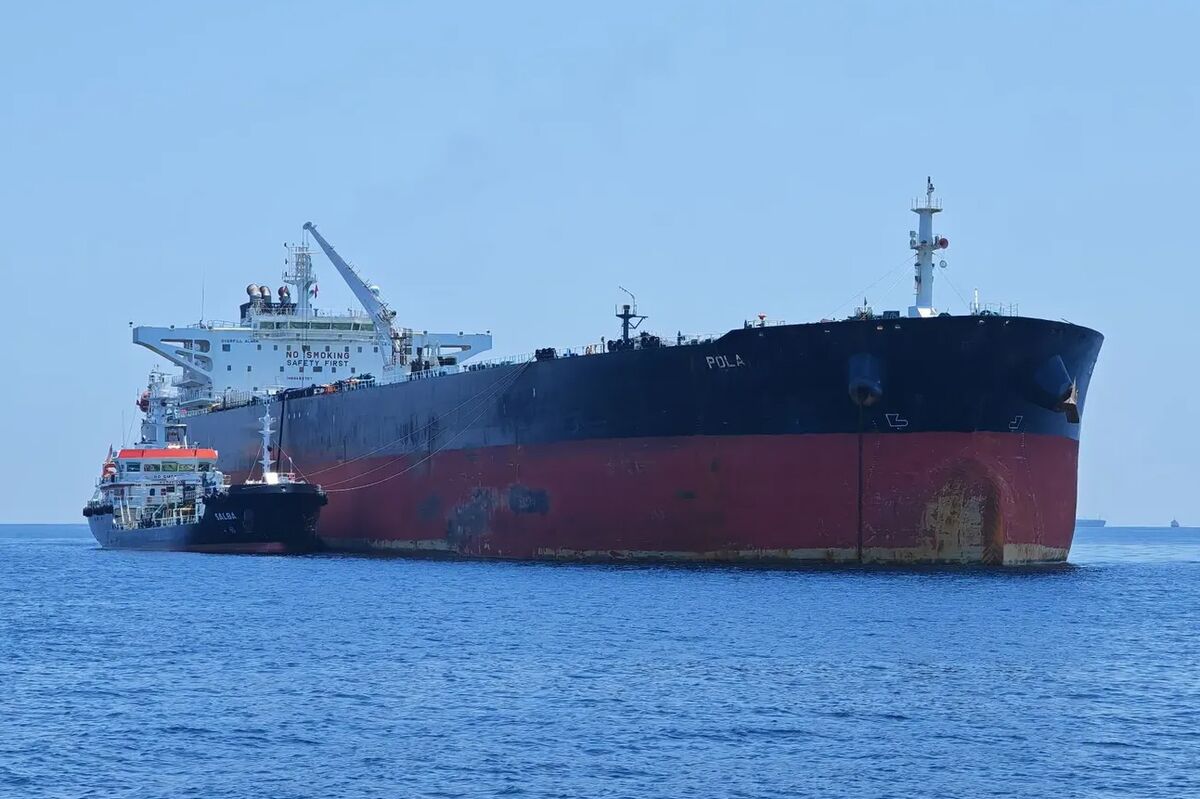
Fourth Greek-controlled oil tanker has crossed the Strait of Hormuz since Middle East hostilities began; the suezmax Pola switched off tracking in the Persian Gulf on March 10 and was later detected in the eastern Indian Ocean off Sumatra. The voyage underscores ship operators bypassing Iran's blockade and raises continued downside risk to regional shipping security, insurance costs and potential disruption to oil transit routes.
Immediate microeconomic winners are owners/operators of mid-to-large crude tankers and players able to monetize longer voyages or floating storage — think balance sheets with low leverage and flexible spot exposure. Rerouting or avoiding high-risk chokepoints mechanically raises voyage days, bunker burn and time-charter equivalents: a conservative engineering estimate is +8–14% voyage time and +10–25% bunker cost for Suezmax/VLCC rotations, which can push spot TC rates several-fold in acute periods and create 30–90 day trading opportunities.
Second-order effects concentrate in insurance, transshipment and logistics: A sustained uptick in war-risk premiums expands cash costs for charterers and refiners and favors operators who self-insure via cash buffers or longer-term charters. Expect higher demand for ship-to-ship transfer hubs, short-term storage (floating or port), and an increase in premium paid for prompt tonnage — all of which compress margins for refiners buying spot crude and benefit owners with high spot exposure.
Tail risk is military escalation or coordinated interdiction that makes certain corridors non-viable for months, in which case structural reallocation of fleet and longer-term chartering patterns change (12–24 months to rebalance). Near-term catalysts that would reverse the trade are credible naval convoys, rapid insurance rate normalization, or cheap port-based transshipment solutions; monitor war-risk premium filings, AIS blackout frequency, and TC quote moves for early read-throughs.
AI-powered research, real-time alerts, and portfolio analytics for institutional investors.
Overall Sentiment
neutral
Sentiment Score
0.00
