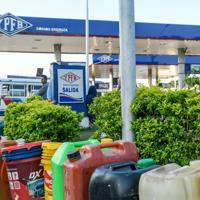
Bolivia's new president Rodrigo Paz has issued a decree ending two decades of fixed fuel prices and rolling back gasoline and diesel subsidies that had been purchased at international prices and sold at a loss. The move removes diesel from government price controls and opens imports to the private sector, a measure aimed at stabilizing supply after repeated shortages since 2023 and restoring depleted international dollar reserves to generate additional fiscal resources; the reform improves fiscal sustainability but carries near-term political and price risks.
Winners are private fuel traders/importers and any regional logistics/refining counter-parties as Bolivia opens diesel imports to private firms; expect Glencore/other commodity traders to capture margin by arbitrage and supply contracts, and local transport/agri exporters to see lower supply disruptions within 1–6 months. Losers are fiscal-constrained public finances and any state fuel retailers: removal of subsidies should reduce fiscal drain (potentially restoring $200m–$1bn+ of available FX over 6–18 months depending on import volumes) but will raise domestic pump prices and political friction.
Competitive dynamics shift from state-controlled import-resale to market-driven procurement — pricing power moves to global traders and refiners, reducing black-market shortages but compressing domestic arbitrage margins; short-term demand for diesel may fall ~3–8% as prices adjust, easing emergency imports. Supply/demand balance is likely neutral at global scale but tightness relief regionally could flatten local diesel cracks within 3–9 months.
Cross-asset: positive for Bolivian sovereign bonds and the boliviano if fiscal breathing room and reserve rebuilding materialize (watch reserve inflows and bond spreads compressing by >100–300bps). Tail risks include protests/re-pricing, rollback of decree, or delays in private-sector capacity — these could widen CDS by +300–800bps within days and send BOB weaker by >5%.
Catalysts to watch: implementation decrees, first private import licenses (within 30–90 days), monthly FX reserve changes, and 5–10% moves in local pump prices. Consensus underestimates speed at which traders can supply diesel once permits issued (tradeable opportunity within 30–90 days) and overestimates systemic impact on global oil prices; political backlash is the main reversal risk that markets tend to underprice.
AI-powered research, real-time alerts, and portfolio analytics for institutional investors.
Request DemoOverall Sentiment
mildly positive
Sentiment Score
0.35
