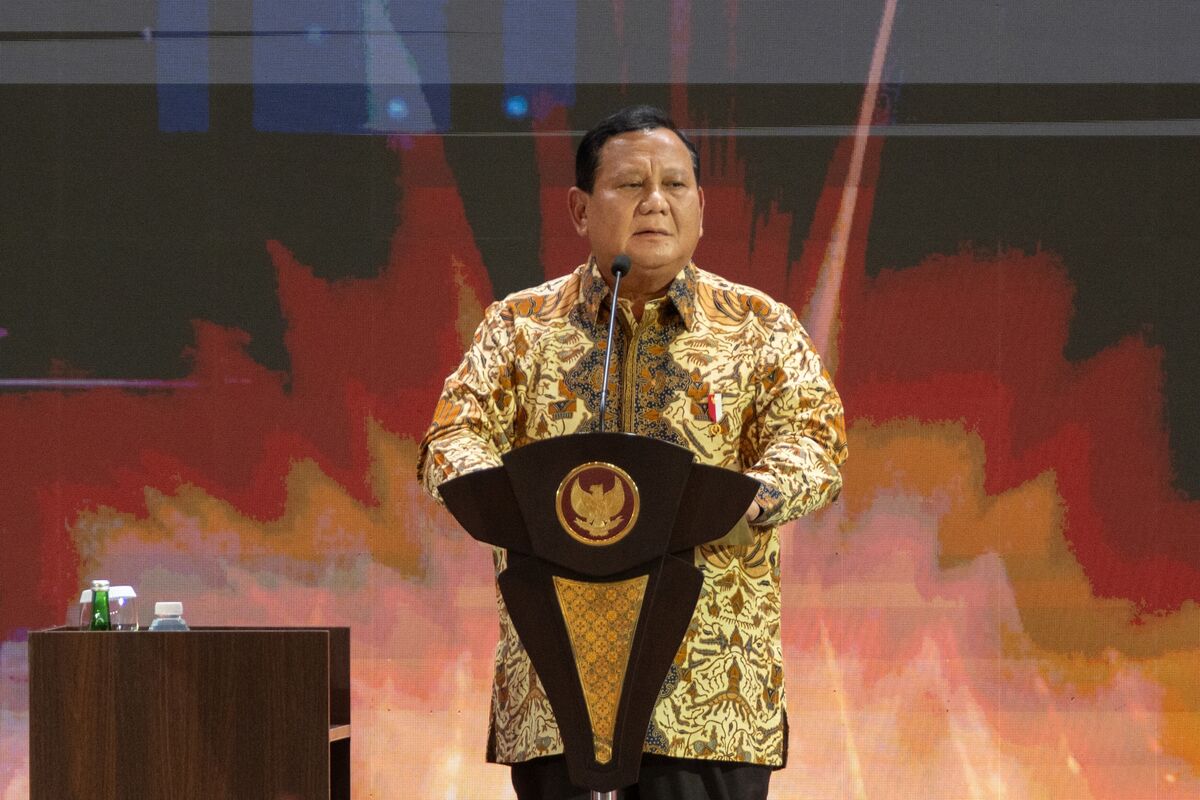
Indonesia's President Prabowo Subianto is intensifying ambitious economic overhaul plans, despite prior policy shifts that previously depreciated the rupiah to 1997-98 crisis levels and spooked investors. Following recent nationwide protests over economic conditions, Prabowo is now consolidating power and increasing welfare spending in an attempt to restore calm and prosperity. This strategy signals a continued interventionist approach with potential implications for market stability and investor sentiment.
The Indonesian administration under President Prabowo Subianto is escalating its economic overhaul, signaling a significant increase in sovereign risk for investors. This intensification follows earlier policy shifts in 2025 that led to a severe depreciation of the rupiah to levels last seen during the 1997-1998 Asian financial crisis, indicating a history of market-negative interventions. The government's current pivot, which involves tightening political control and ramping up welfare spending, is a direct response to deadly nationwide protests in August over high living costs and layoffs. This strategy introduces substantial fiscal uncertainty, as increased public expenditure could strain the national budget and exacerbate currency pressures. The strongly negative sentiment score of -0.8 underscores deep investor apprehension, suggesting that the market views this populist approach as a potential threat to economic stability rather than a credible path to prosperity.
AI-powered research, real-time alerts, and portfolio analytics for institutional investors.
Request DemoOverall Sentiment
strongly negative
Sentiment Score
-0.80
