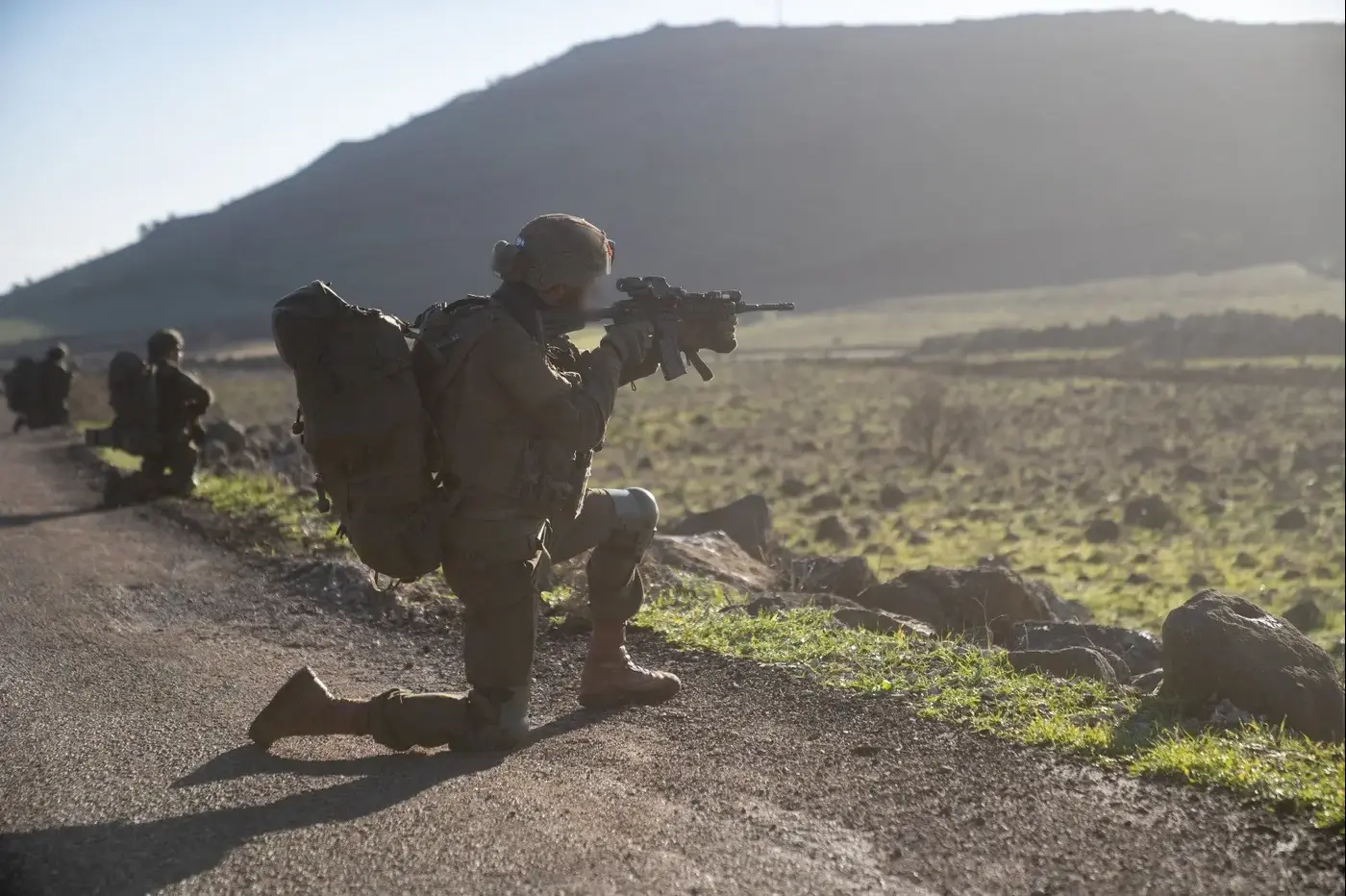
Following the Syrian regime's rout of Kurdish forces and the rise of Ahmad al-Shara, Israeli security officials warn of an elevated risk of southward aggression and proxy infiltration into the Golan Heights. The IDF's 210th Division has erected a physical barrier of more than 30 kilometers, created an armed local “Golan Intervention Unit,” authorized pre-emptive strikes by air assets, and is conducting commando and intel operations more than 10 kilometers into Syria to interdict threats; a large-scale drill including an 11-point simulated infiltration validated rapid mobilization capabilities. For investors, the development raises regional risk premia, potential upside for defense contractors and volatility in nearby emerging-market assets should escalation broaden.
Market structure: Accelerated northern-front hostilities are a direct positive for defense contractors and ISR suppliers (both US majors and Israeli midcaps) and a negative for Israeli tourism, regional banks, and consumer cyclicals. Expect a near-term reallocation of government spending toward fortifications and air systems (multi-year procurement, +10-25% incremental defense budgets plausible vs prior baseline), improving pricing power for specialized suppliers while compressing discretionary demand domestically.
Risk assessment: Tail risks include Iran-driven mass-militia influx or an air campaign provoking a broader regional war (low-probability, high-impact), which could spike Brent >15% in days and send global risk premia higher; immediate window (days) = volatility spike, short-term (weeks–3 months) = commodity and FX moves, long-term (3–18 months) = defense capex re-rating and fiscal pressure on Israeli sovereigns. Hidden dependencies: US diplomatic posture and weapons approvals are binary catalysts; Russian/Syrian tolerance levels and militia logistics create second-order supply-chain risks to contractors.
Trade implications: Tactical trades should overweight ISR/air-defense exposures and hedge macro risk with gold/oil and FX. Use capital-efficient option structures (debit call spreads, protected LEAPs) to express directional exposure while buying time for procurement cycles; maintain liquidity for rapid de-risk if escalation crosses defined thresholds (Brent +10%, VIX +30%).
Contrarian angles: Consensus fear may overshoot downside in Israeli equities but underprice long-duration revenue upside for niche defense tech (signal-processing, loitering munitions, border sensors). Historical parallels (post-2014 Gaza escalations) show cyclical tourist/equity hits recover within 6–12 months while defense names sustain multi-year order flow — favor idiosyncratic defense exposure over broad market shorting unless escalation becomes systemic.
AI-powered research, real-time alerts, and portfolio analytics for institutional investors.
Request DemoOverall Sentiment
moderately negative
Sentiment Score
-0.45
