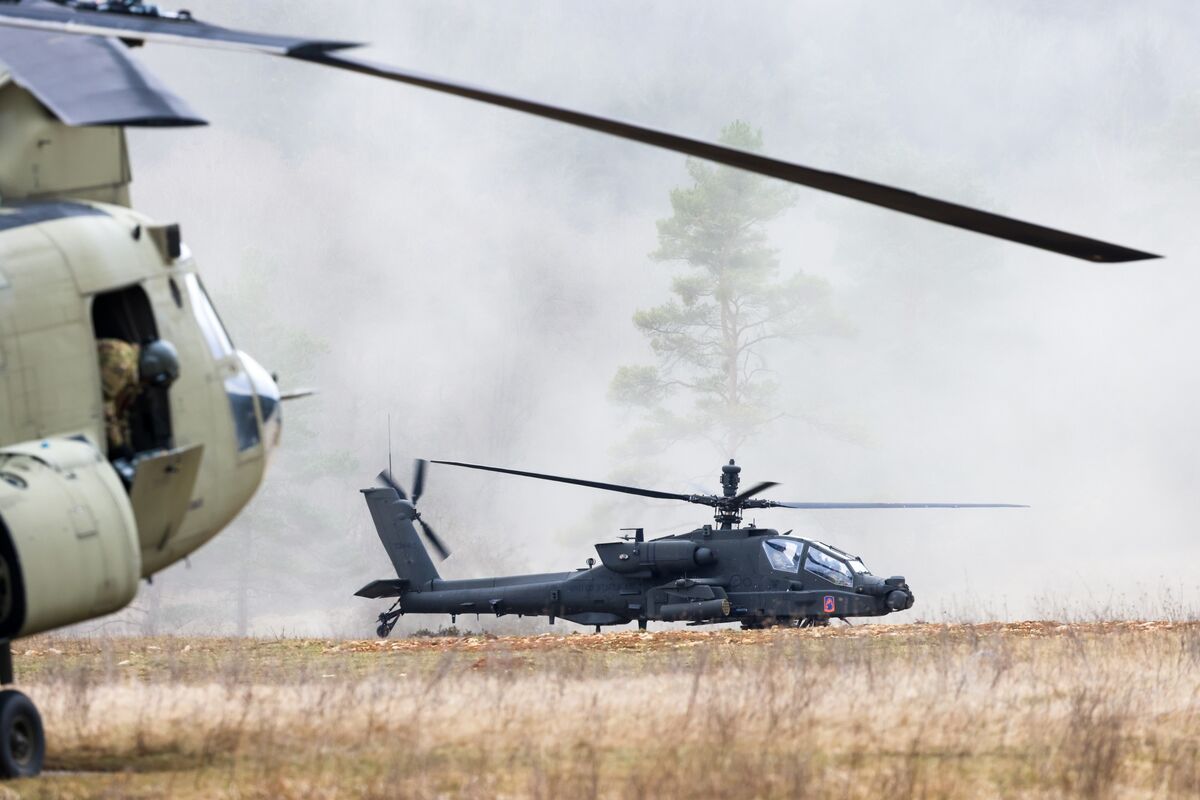
The Trump administration is reportedly moving forward with a proposed $6 billion arms sale to Israel, which would include AH-64 Apache helicopters and infantry assault vehicles, according to sources familiar with the matter. This initiative aims to bolster defense ties between the two nations, even as it faces criticism amid Prime Minister Netanyahu's military actions in Qatar and Gaza, with key congressional committees currently reviewing the proposals.
The Trump administration is advancing a proposed $6 billion arms sale to Israel, a move intended to bolster strategic defense ties between the two nations. The package reportedly includes high-value military assets such as AH-64 Apache helicopters and infantry assault vehicles. This development is notable as it proceeds despite concurrent geopolitical friction, specifically mounting criticism over Israeli military actions in Gaza and its policy toward Qatar. The proposal is not yet finalized and is currently under review by the bipartisan leadership of the Senate Foreign Relations and House Foreign Affairs Committees, indicating a critical legislative hurdle remains. The mixed sentiment signal reflects this dichotomy: while the sale represents a substantial contract for the U.S. defense sector, its progression is subject to political risk and potential controversy, limiting its immediate market impact until congressional approval is secured.
AI-powered research, real-time alerts, and portfolio analytics for institutional investors.
Request DemoOverall Sentiment
mixed
Sentiment Score
0.05
