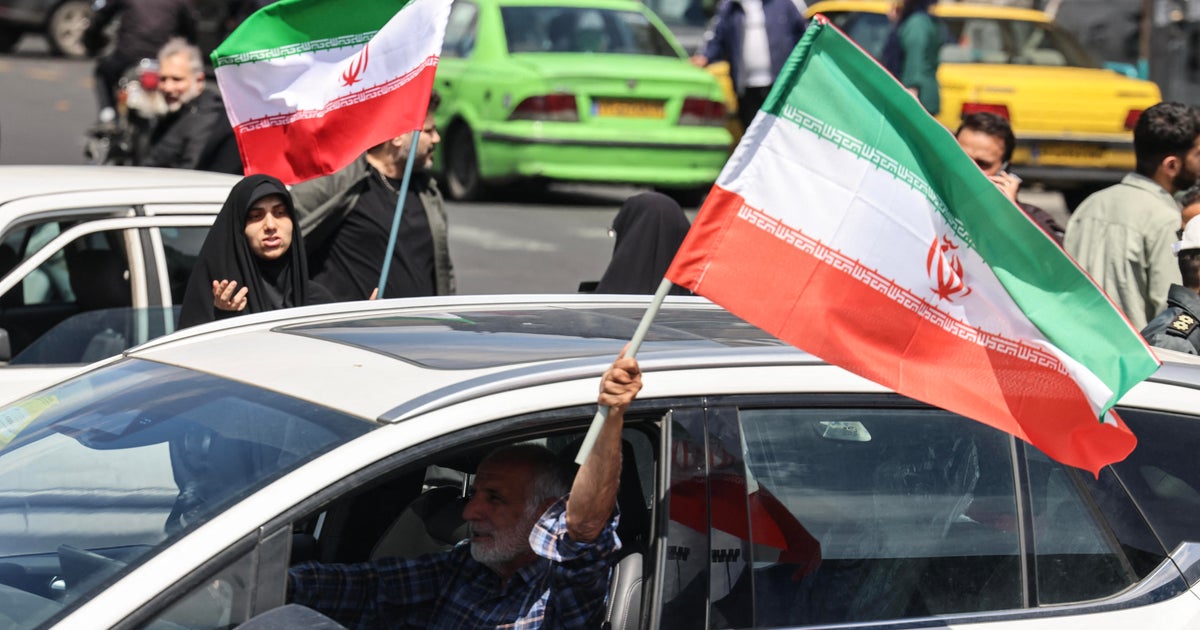
Dow futures surged ~1,267 points (+2.7%) and WTI fell almost 20% to around $95/bbl after a conditional two-week U.S.–Iran ceasefire was announced; S&P 500 and Nasdaq futures rose ~2.8% and 3.5% respectively and Asian equities jumped (Seoul +6.9%, Tokyo +5.4%). Two commercial vessels transited the Strait of Hormuz but Iran still appears to exert control, demanding permission for transits and warning of force; Iran also reported shooting down an advanced Hermes 900 drone. The ceasefire is fragile — Israel continued heavy strikes on Hezbollah (100 targets in 10 minutes) and threats (tariffs on countries arming Iran, IRGC warnings) keep the situation and markets highly volatile despite the initial rally.
Control over a chokepoint creates a durable asymmetry: the state with de facto control can monetize transit as a recurring cash-flow (direct fees + higher spot freight via longer routing) and extract non-linear bargaining power in negotiations that go beyond a two‑week horizon. Expect the economics to bifurcate — owners of available tonnage and operators with flexible chartering (time‑charter optionality) capture outsized near‑term cash-on-cash returns while end‑users (refiners, national oil companies buying feedstock) face recurring margin pressure that is sticky until contractual flows reset.
On defense and technology, the market is entering a period of revisão: suppliers of niche ISR/UAS platforms and exportable avionics face elevated legal, insurance, and political tail-risk that can crystallize as procurement delays or cancellations over 3–12 months. Conversely, demand for hardened C4ISR, electronic warfare and counter‑UAS systems increases materially, but procurement cycles and budget appropriations mean revenue recognition will be back‑loaded (6–24 months).
Policy risk is now a lever as potent as kinetic risk. Broad unilateral trade penalties or tariff threats introduce a predictable realignment of supply chains — suppliers with large export exposure to the US face immediate valuation risk from directional tariff policy, while locally domiciled integrators and neutral third‑party service providers become strategic beneficiaries. The combination of persistent transit frictions, insurance repricing inertia, and targeted trade measures creates asymmetric scenarios where market sentiment can swing quickly but fundamental cash flows adjust more slowly.
AI-powered research, real-time alerts, and portfolio analytics for institutional investors.
Request DemoOverall Sentiment
mildly positive
Sentiment Score
0.20
Ticker Sentiment
