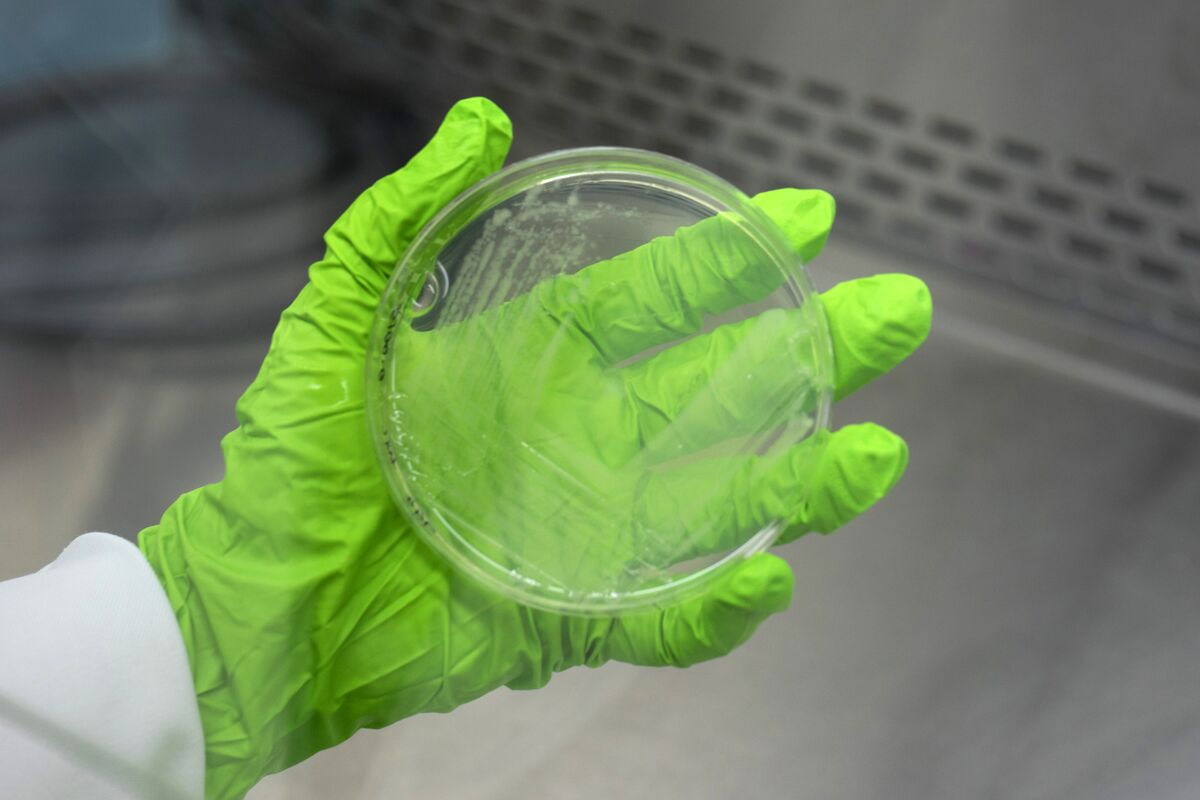
A novel nasal gel, proven to rapidly kill bacteria in vitro, offers significant potential in combating superbugs and preventing hospital-acquired infections, particularly for surgical patients where nasal bacteria pose a risk. Despite its promising efficacy, the gel's market entry is currently hindered by a lack of investor funding, underscoring a critical commercialization challenge for antimicrobial innovations.
A novel antimicrobial nasal gel has demonstrated significant in-vitro efficacy, capable of neutralizing bacteria within 15 minutes. This technology presents a clear potential application in clinical settings, specifically for mitigating the risk of hospital-acquired infections in surgical patients by targeting nasal-dwelling bacteria. Despite this promising scientific profile and addressing a critical need in the fight against superbugs, the project is currently stalled. The primary obstacle is a notable funding gap, as private market investors have so far been unwilling to commit the necessary capital for further development and commercialization. This situation highlights a broader market dynamic where promising early-stage biotech innovations, particularly in the antimicrobial space, face significant hurdles in securing venture funding, creating a bottleneck between preclinical success and patient access.
AI-powered research, real-time alerts, and portfolio analytics for institutional investors.
Request DemoOverall Sentiment
mildly negative
Sentiment Score
-0.30
