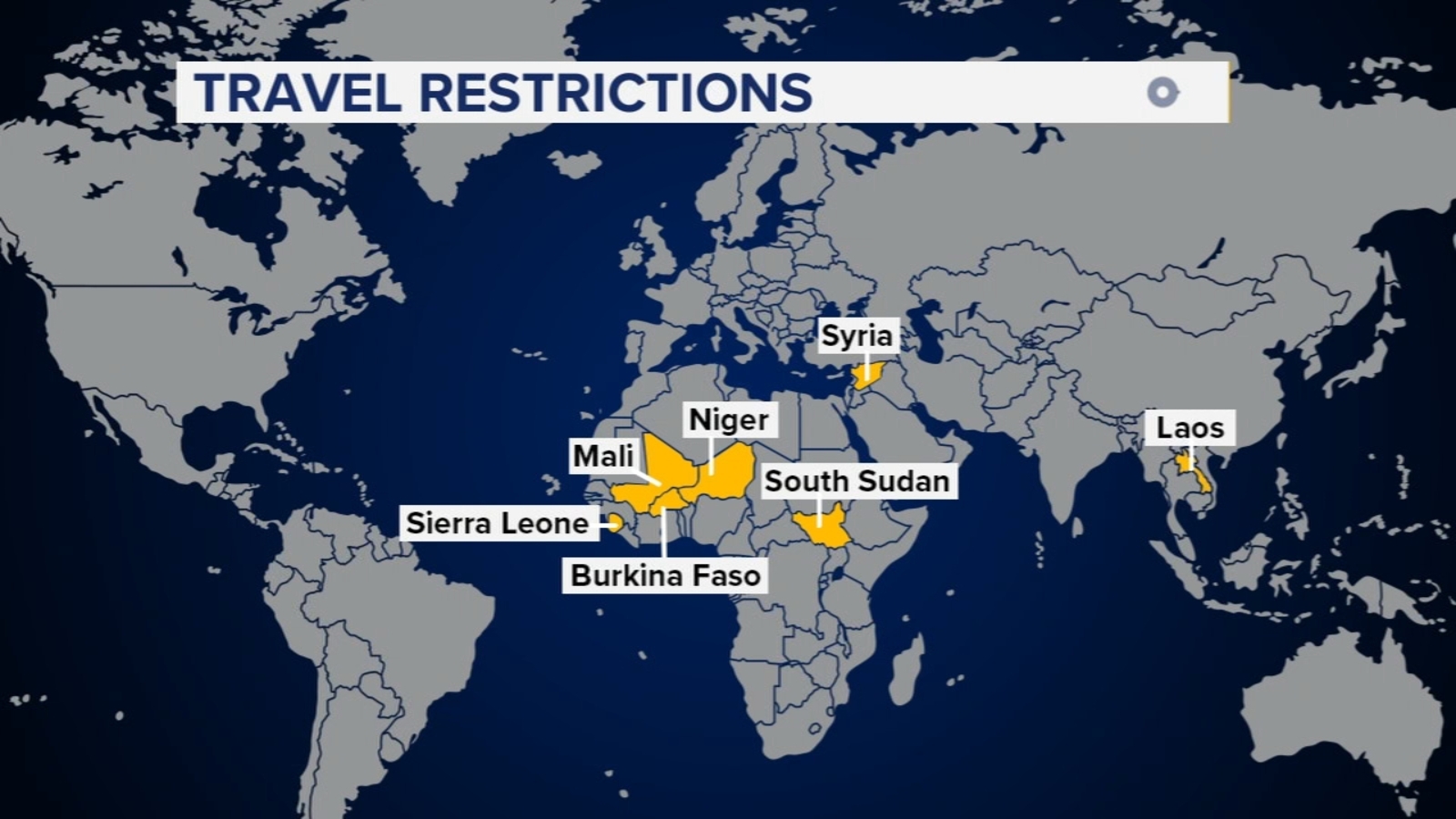
The administration will implement travel bans on nationals from Burkina Faso, Laos, Mali, Niger, Sierra Leone, South Sudan and Syria effective Jan. 1, extending existing restrictions on numerous other countries and imposing partial limits on Venezuela and Cuba for stated national security reasons. Separately, changes to the H-1B program that took effect this week replace the random lottery with a wage-weighted selection to prioritize higher-paid, higher-skilled foreign workers within the 85,000 cap, a move expected to reduce eligibility for lower-wage applicants and constrain the international student-to-worker pipeline, with potential implications for talent flows in technology and other skilled sectors.
Market structure: The immediate winners are automation/cloud/AI vendors (beneficiaries of firms substituting labor) and large US incumbents able to pay above-median wages; losers are lower-margin IT services and staffing firms that relied on lower‑wage H‑1B placements (85,000 cap). Expect a shift in pricing power toward higher-skilled domestic labor and software tools, tightening supply of cheap technical labor and pushing hiring costs for affected service providers up by mid-single digits to low-double digits over 12–24 months. Cross‑asset: modest upward pressure on core yields (shorter duration risk), mild USD strength vs currencies tied to outsourcers, and higher equity volatility for IT services names.
Risk assessment: Tail risks include legal injunctions reversing rules (near-term, 30–90 days) or retaliatory trade measures from affected countries (low probability). Immediate impact (days–weeks) is operational (visa processing delays); short-term (months) is hiring pipeline disruption and guidance misses for services firms; long-term (quarters–years) is structural reduction in foreign STEM labor supply raising wage inflation. Hidden dependencies: reliance on intra‑company transfers and student OPT pathways could mask true supply shocks until university enrollment/OPT data shifts; catalysts include March H‑1B registration statistics and quarterly guidance from INFY/CTSH.
Trade implications: Direct plays favor long exposure to NVDA, MSFT, and GOOGL (cloud/AI) and short select IT services (INFY, CTSH, WIT) with 6–12 month horizons. Use put spreads on services to cap risk and call spreads on AI names to finance position size; rotate 1–3% portfolio weight from EM/India‑heavy ETFs (INDA) into automation over 3–12 months. Entry: scale into shorts on 5–10% post‑earnings weakness; exits on evidence of durable margin recovery or legal reversal.
Contrarian angles: Consensus treats this as niche immigration noise; markets underprice structural acceleration of automation and re‑shoring of higher‑value work. The reaction may be underdone for automation vendors and overdone for diversified big tech which can both lose (hiring cost pressure) and gain (premium hiring). Historical parallels: 2000s visa tightening coincided with multi-year outsourcing re-pricing; unintended outcome could be faster capex on labor‑saving tech, benefiting semis and cloud providers beyond near-term headwinds.
AI-powered research, real-time alerts, and portfolio analytics for institutional investors.
Request DemoOverall Sentiment
mildly negative
Sentiment Score
-0.30
