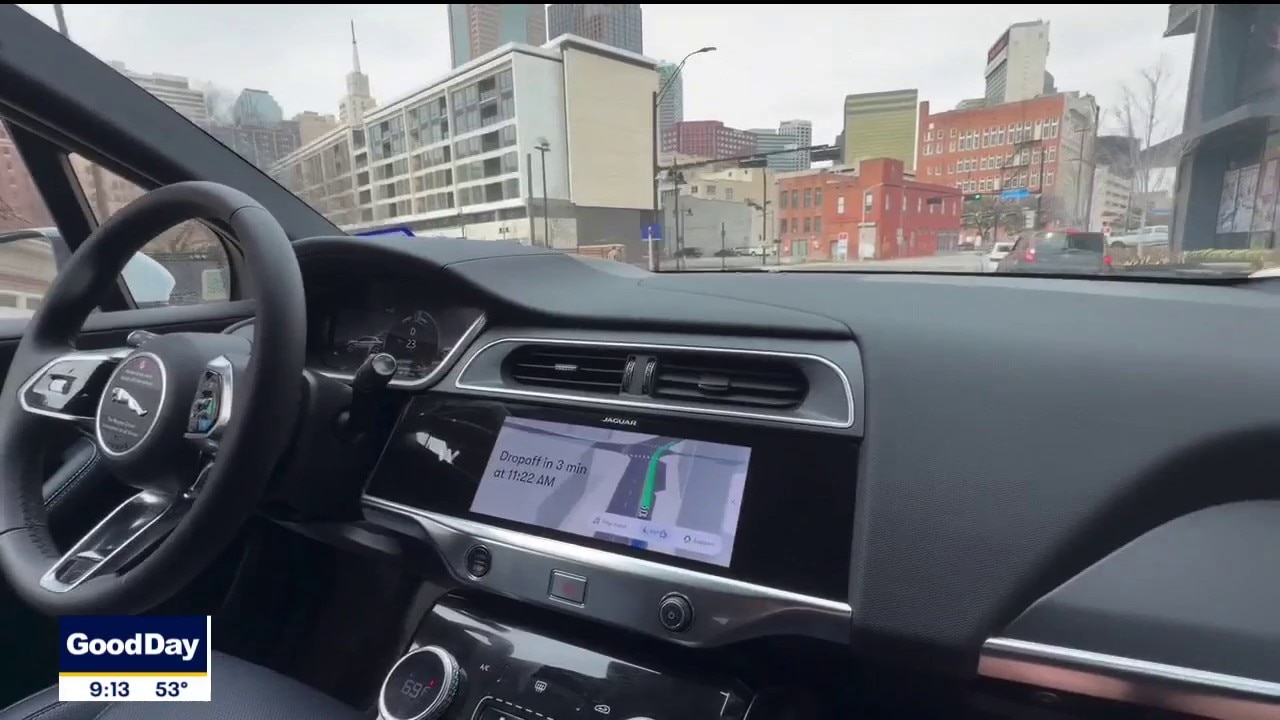
Waymo has begun offering its fully driverless robotaxi service to select, pre-registered riders in Dallas with plans to expand access citywide later this year and pricing said to be comparable to human-driven ride-hailing. The launch comes amid safety concerns and regulatory scrutiny following recent incidents — including a crash with a child in Santa Monica and reports of vehicles passing stopped school buses in Austin — and an open federal investigation, risks that could affect public adoption and invite regulatory action despite company claims its system is materially safer than humans.
Market structure: Waymo’s Dallas launch reinforces a tech-led shift in urban mobility that benefits Alphabet (GOOGL) and semiconductor/AI suppliers (NVDA, INTC) while exerting margin pressure on human-driven platforms (UBER, LYFT) and local taxi labor. Pricing signals (Waymo prices comparable to ride-hail) imply long-run downward pressure on per-ride margins for incumbents; expect 5–15% compression in unit economics for human-driver platforms in dense launch corridors over 12–24 months. Cross-asset: idiosyncratic shock risk should raise implied volatility in equity options for mobility names and widen credit spreads modestly for insurers and transit operators exposed to liability (Allstate, PGR).
Risk assessment: Tail scenarios include a fatality-triggered federal/state pause or city-level bans that could remove fleets for weeks–months; probability of a localized pause in a launch city in the next 90 days ~10–20% and would materially reprice GOOGL/AV suppliers intraday. Hidden dependencies include electrical/infrastructure resiliency (San Francisco outage), teleoperation backstops, and local school-bus detection edge cases — failures here produce regulatory scrutiny and litigation costs. Key catalysts: federal probe outcomes (30–90 days), additional high-profile incidents (near-term), and municipal permit renewals (3–12 months).
Trade implications: Favor selective, hedged long exposure to Alphabet (GOOGL) and high-moat compute suppliers (NVDA) for 12–24 month secular upside, while using short or put exposure to UBER/LYFT to capture short-term margin risk and adoption uncertainty. Use options to time risk: buy 3–6 month puts on ride-hail names and longer-dated calls on NVDA/GOOGL with protective collars if implied vol rises after an incident. Rotate modest equity weight (1–3% portfolio per idea) from incumbent platform beta into AV-supply chain and AI compute.
Contrarian angles: The market underestimates regulatory fragmentation — more likely outcome is staggered, city-by-city rollouts, not national bans, which mutes revenue shock to Alphabet (so downside is limited). Conversely, the headline risk is overplayed versus economics: robotaxi revenue will remain <1–2% of Alphabet revenue in the next 12 months, creating buying windows on dips >8–12%. Historical parallels (early commercial aviation safety setbacks) suggest short-lived regulatory fear followed by durable market consolidation benefiting platform/tech owners with scale.
AI-powered research, real-time alerts, and portfolio analytics for institutional investors.
Request DemoOverall Sentiment
mixed
Sentiment Score
-0.05
