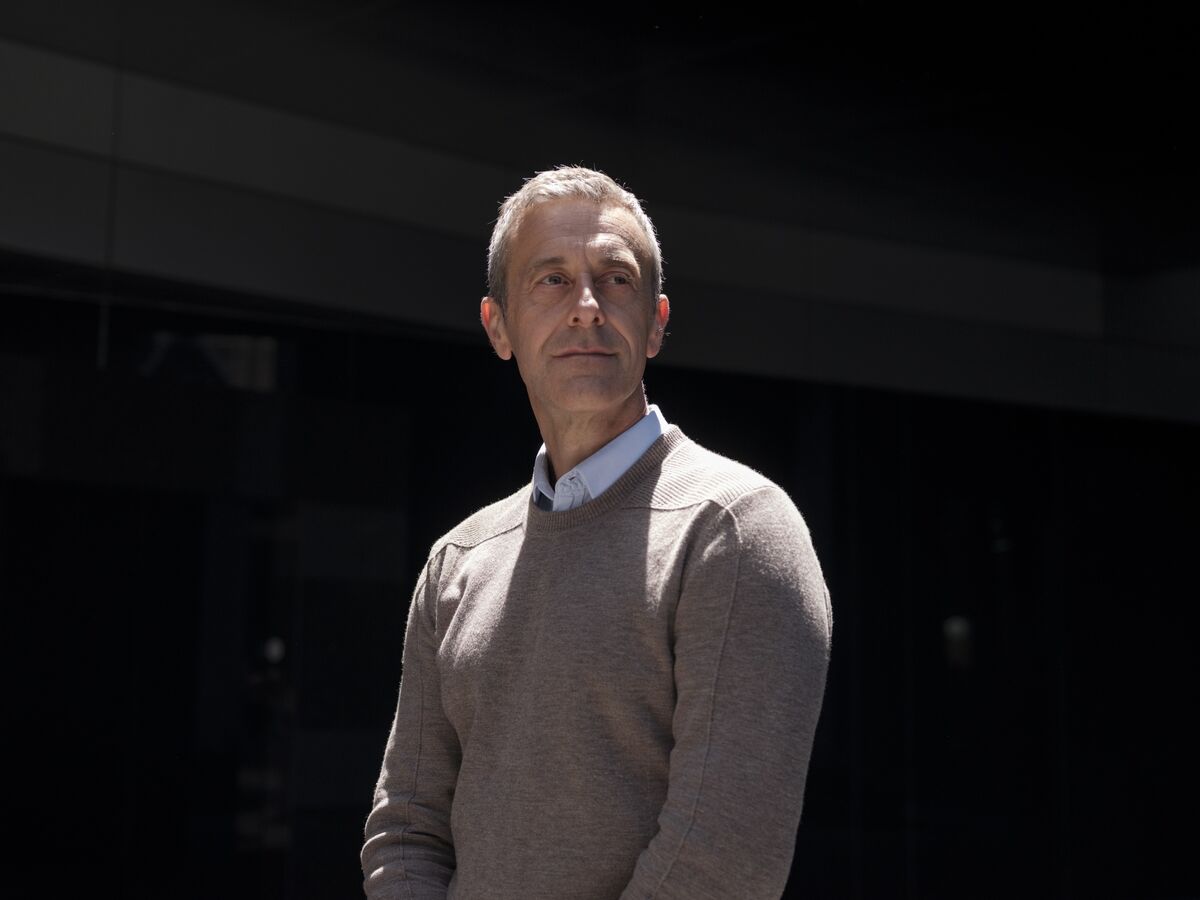
Ben Samild, Chief Investment Officer of Australia's A$252 billion ($168 billion) Future Fund, has resigned after over two years in the role. He is reportedly moving to the Abu Dhabi Investment Council, marking a significant leadership change for one of the world's major sovereign wealth funds.
The resignation of Ben Samild as Chief Investment Officer of Australia's A$252 billion ($168 billion) Future Fund marks a significant leadership change for the sovereign wealth fund. Samild's tenure as CIO was relatively short at just over two years, introducing an element of strategic uncertainty for one of the world's major institutional investors. His reported move to the Abu Dhabi Investment Council (ADIC) is equally noteworthy, representing a significant talent acquisition for the Middle Eastern fund and highlighting the intense global competition for top-tier investment executives. This transition creates a leadership vacuum at the Future Fund that will require careful management to ensure continuity in its investment strategy, while simultaneously signaling a potential strategic enhancement or shift at ADIC. The event underscores the fluid and competitive nature of senior management within the sovereign wealth fund landscape.
AI-powered research, real-time alerts, and portfolio analytics for institutional investors.
Request DemoOverall Sentiment
mildly negative
Sentiment Score
-0.15
