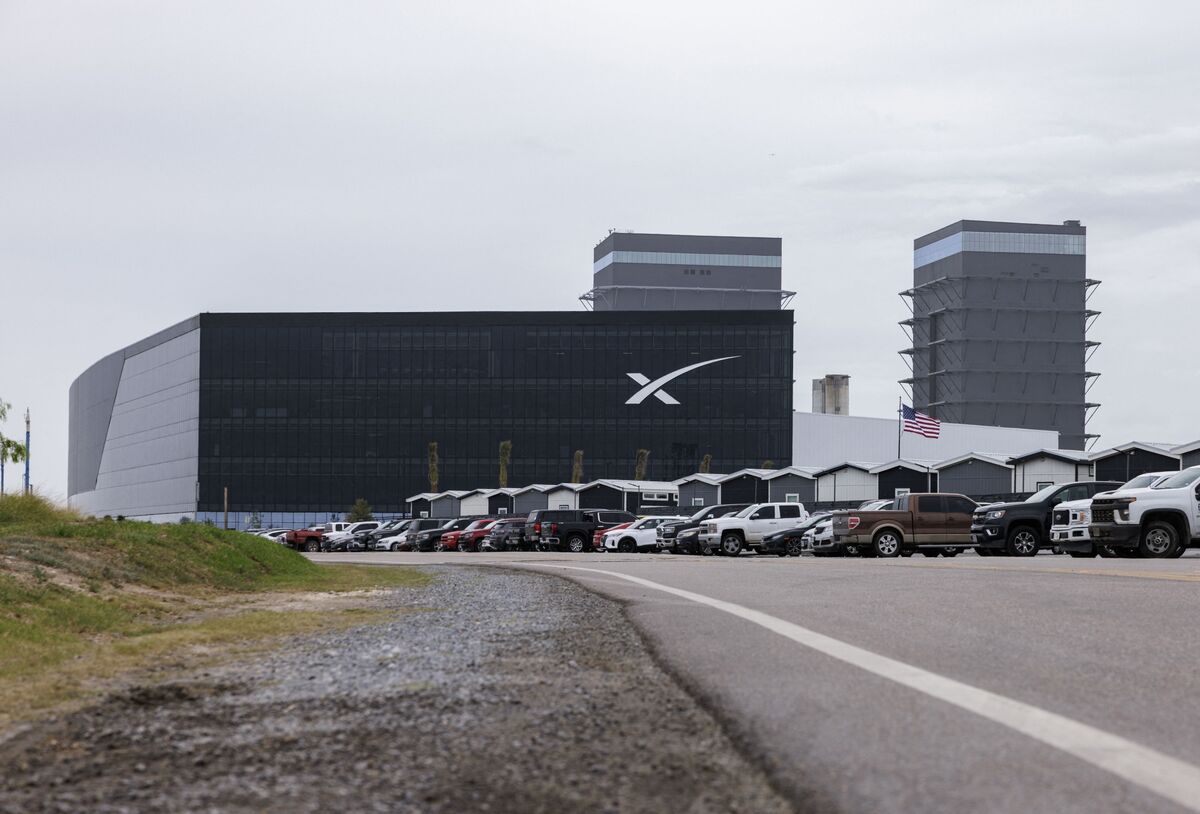
SpaceX is preparing site visits in California and Texas for potential anchor investors ahead of what could be the largest IPO ever. The company is targeting large allocations from sovereign wealth funds and other major investors, underscoring strong pre-deal demand and positioning the offering as a landmark public debut. The article is mainly about IPO marketing rather than transaction terms, so the near-term market impact is moderate.
This is less about a financing event and more about price discovery for a private asset with multiple embedded option values: launch cadence, satellite monetization, and AI infrastructure. If the anchor-book is dominated by sovereign wealth and crossover pools, the marginal buyer is likely underwriting a scarcity premium rather than a clean public-market comp set, which can reset valuation expectations across late-stage private tech. That would spill over to secondary markets first: employees and pre-IPO holders may mark up other frontier-tech names, while investors rotate out of lower-quality growth that lacks the same strategic allure.
The competitive signal matters more than the capital raise. A successful pre-IPO tour effectively turns the listing into a geopolitical and industrial-policy event, not just an equity trade, which could make domestic aerospace, launch-adjacent suppliers, and data-center/AI infrastructure beneficiaries see a sympathy bid. The flip side is that the more “must-own” the deal becomes, the more fragile the post-lockup setup if growth milestones slip; a small miss in launch reliability or satellite economics months after the IPO could trigger a severe de-rating because expectations are being set at a premium today.
The main risk is timing mismatch: enthusiasm can peak well before the shares trade, leaving little upside from the actual listing. In the next few weeks, the market may extrapolate a best-case narrative, but the first real catalyst will be the IPO pricing band and order quality; after that, the next catalyst is execution over 2-3 quarters, not the roadshow itself. A contrarian read is that scarcity can mask governance and concentration risk, especially if the float is limited and anchor allocations crowd out natural sell-side liquidity.
If the offering prices at a very large premium to private marks, the better trade may be fading adjacent hype rather than chasing the primary. The cleanest risk/reward may be in public names that benefit from a halo but have more transparent fundamentals, while the headline issuer itself is likely a post-lockup/earnings-volatility trade rather than a first-day pop trade.
AI-powered research, real-time alerts, and portfolio analytics for institutional investors.
Request TrialOverall Sentiment
mildly positive
Sentiment Score
0.25
