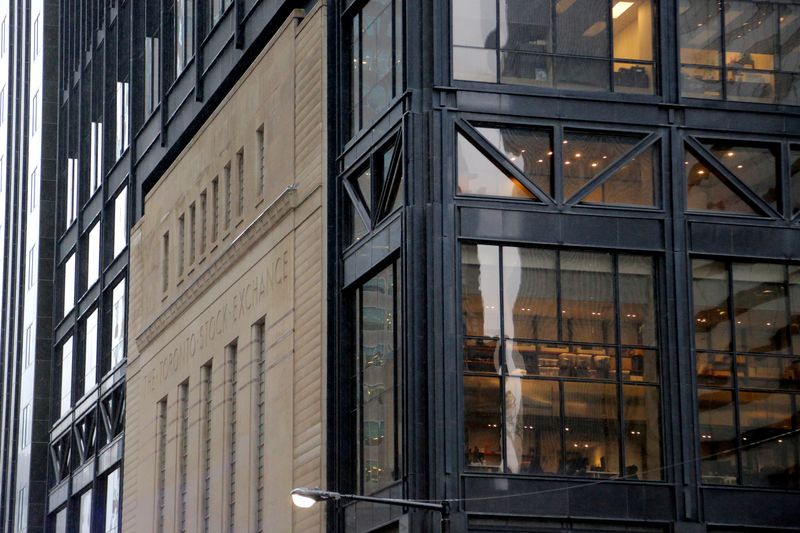
S&P/TSX 60 rose 18.5 points (+1%) and the S&P/TSX composite finished at 31,941.59 (still 7.5% below its March 2 peak). U.S. indices advanced (Dow +0.8%, S&P 500 +0.7%, Nasdaq +1%) on reports of mediators arranging U.S.-Iran talks and a reported U.S. 15-point peace plan; Brent futures (May) fell 3.1% back below $100/bbl while spot gold rose 1.7% to $4,550.81/oz and U.S. gold futures jumped 3.5% to $4,587.82. Economic headwinds persist as S&P Global’s flash PMI hit an 11-month low and Eurozone PMIs warned of stagflation risks. Corporate highlights: Chewy Q4 adjusted EPS $0.27 vs $0.09 consensus with $3.26B revenue, and Merck agreed to acquire Terns Pharma for $6.7B.
The market is oscillating between a headline-driven short squeeze and a structural premium that will persist until control over regional chokepoints and insurance regimes is resolved. That creates a regime where directional rallies can be undone quickly as operational frictions (higher freight/insurance, rerouted voyages, refinery feedstock dislocations) propagate through margins rather than spot prices, compressing backwardation and altering timing of cash flows for energy and logistics players.
Integrated majors' equity behavior will decouple from near-term spot moves: upstream cash flows are lumpy and capital schedules are sticky, so a transient oil-price shock hits refining and chemicals margins first while majors' dividends and buybacks only respond over quarters. Smaller, more agile E&P and services firms will show faster earnings sensitivity to any sustained price move, offering a pathway for relative-value trades.
Airlines enjoy a demand-recovery re-rating but face offsetting cost shocks that are slow to normalize — aircraft insurance, longer routing and delayed fuel-hedge benefits create a multi-month lag between ticket volume gains and margin expansion. That makes short-dated option strategies attractive to capture positive sentiment while limiting exposure to an abrupt risk-off if diplomatic talks stall.
On macro, reduced energy-driven inflation would relieve immediate policy pressure, but the Fed’s reaction function remains the key cross-asset pivot: a hawkish surprise would crush gold and risk assets even if oil moderates. Thus the dominant hedge is not directional oil but convex protection (puts or call spreads on volatility proxies) timed to political calendar catalysts over the next 4–12 weeks.
AI-powered research, real-time alerts, and portfolio analytics for institutional investors.
Request DemoOverall Sentiment
mildly positive
Sentiment Score
0.15
Ticker Sentiment
