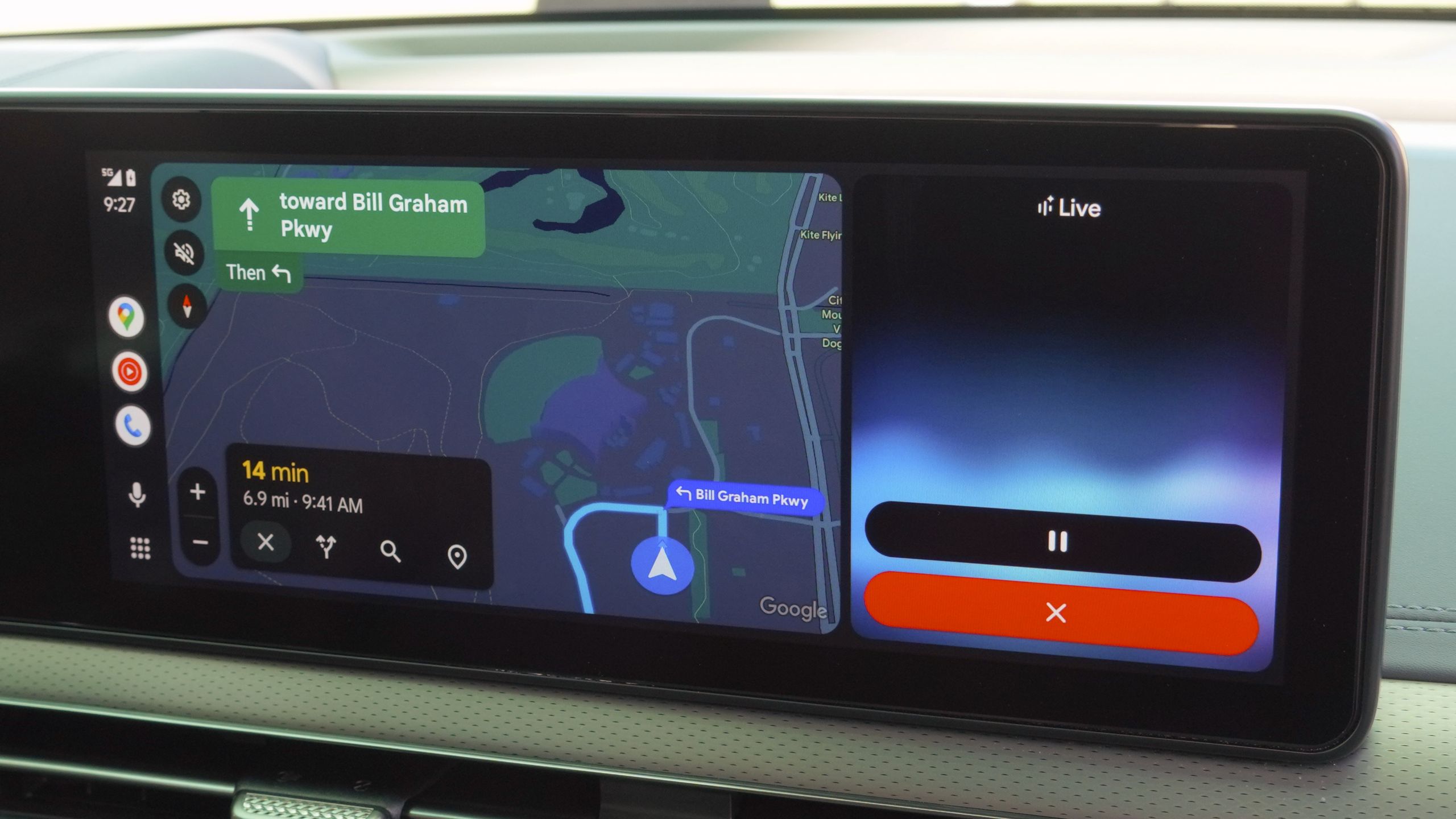
Code strings in Android Auto v15.9.655104 indicate Google is testing Google Cast integration for Android Auto, enabling potential in-car audio and video casting from phones, while the build also shows a Material 3 Expressive refresh to media controls. The changes were found in the Media Router framework and are not enabled by default, suggesting internal development rather than imminent public release. Near-term financial impact on Alphabet is likely minimal, although a successful rollout could modestly increase in-car media engagement and related monetization opportunities over time.
Market structure: Google (GOOGL) is the clear incumbent winner — adding Cast to Android Auto deepens user lock-in across ~400M+ Android devices and could raise connected-media engagement by low single-digit percentage points over 12–36 months, benefiting ad/subscription revenue. Automotive OEMs that embrace Android Auto get lower software development cost and faster time-to-market; standalone infotainment vendors and fragmented proprietary stacks face margin pressure. Competitive dynamics: this increases Google’s ecosystem pricing power versus Apple CarPlay (AAPL) in Android-centric segments, but gains will be gradual as OEM approvals and safety validation create friction.
Risk assessment: Tail risks include antitrust scrutiny (European/US regulators), distraction-safety litigation, and OEM defection if Google’s policies or fees become onerous; any of these could force costly product changes or fines. Timing: immediate market reaction is minimal; expect pilot rollouts in 3–12 months and measurable monetization only 12–36 months out. Hidden dependencies: OEM certification cycles, head‑unit hardware (Qualcomm/QCOM exposure), and carrier data policies; catalysts are OEM partnership announcements or NHTSA guidance on in-car video usage.
Trade implications: Direct play is modest long exposure to GOOGL (see decisions) plus selective longs to chipset/supplier names (QCOM, APTV) that service head units. Use option spreads to cap downside while keeping upside if rollouts accelerate; consider pair trades long GOOGL vs short AAPL to express share shift without net tech beta. Entry: phase in over 4–8 weeks around OEM partnership leaks or Google I/O confirmations; trim if no meaningful adoption signals within 12 months.
Contrarian angles: The market may underprice friction — Apple/GM/Toyota could resist broader Cast if safety or data control concerns arise, making adoption much slower (multi-year). Historical parallel: CarPlay/Android Auto feature parity took years; if adoption stalls, supplier profits (and GOOGL upside) compress. Action trigger: if Google secures 3+ OEM integration announcements within 12 months, re-rate positions higher; absent that, downgrade conviction.
AI-powered research, real-time alerts, and portfolio analytics for institutional investors.
Request DemoOverall Sentiment
mildly positive
Sentiment Score
0.25
Ticker Sentiment
