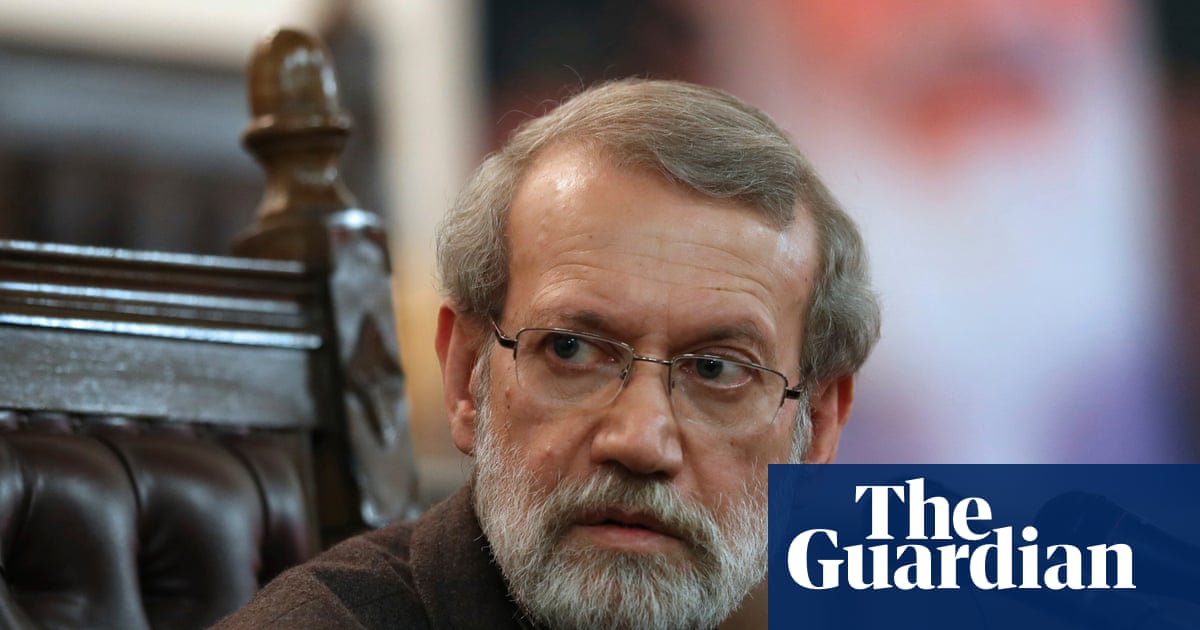
Ali Larijani, Iran's former national security chief and senior establishment figure, was reportedly killed in a targeted Israeli airstrike — a significant geopolitical shock. The event heightens near-term escalation risk that could push oil prices materially higher (a closure of the Strait of Hormuz would disrupt roughly 20% of seaborne crude flows) and widen EM risk premia, pressuring regional equities, bonds and FX. Monitor Brent and regional sovereign spreads for immediate moves; severe disruption scenarios could see double-digit % spikes in crude and meaningful flight-to-safety flows.
A targeted decapitation of an Iranian establishment figure materially increases tail risk to Strait of Hormuz transits and maritime insurance costs. With OECD spare crude capacity in the low single digits of mb/d, even a 1–3 week export disruption or a sustained rise in tanker time-charter rates can lift Brent $10–25/bbl and push VLCC/TCE rates multiples above current levels, creating a sharp, short-duration windfall to owners and a margin squeeze for energy-intensive industries. Politically, the most market-relevant second-order effect is a potential hardliner consolidation that lengthens sanction cycles and reduces the probability of a near-term normalization of Iranian oil flows. That shifts the risk premium from “short-lived tactical shock” to “prolonged structural premium” on oil and regional risk assets — supporting defense capex, reinsurance revenues and energy exporters while pressuring EM sovereigns with Gulf-linked trade/FX exposures. Timing and reversals matter: expect days-to-weeks of knee-jerk volatility (oil/EM selloffs, CDS widening) followed by a 3–9 month regime where realized volatility and insurance spreads remain elevated unless a diplomatic de-escalation, coordinated SPR release >100mb or a demonstrable internal political shift in Tehran occurs. Markets may overshoot on fears of total closure; a pragmatic contrarian outcome is costly rerouting and higher freight/insurance but not a full supply loss, which would cap the upside for oil and keep tanker and defense rallies finite.
AI-powered research, real-time alerts, and portfolio analytics for institutional investors.
Overall Sentiment
strongly negative
Sentiment Score
-0.65
