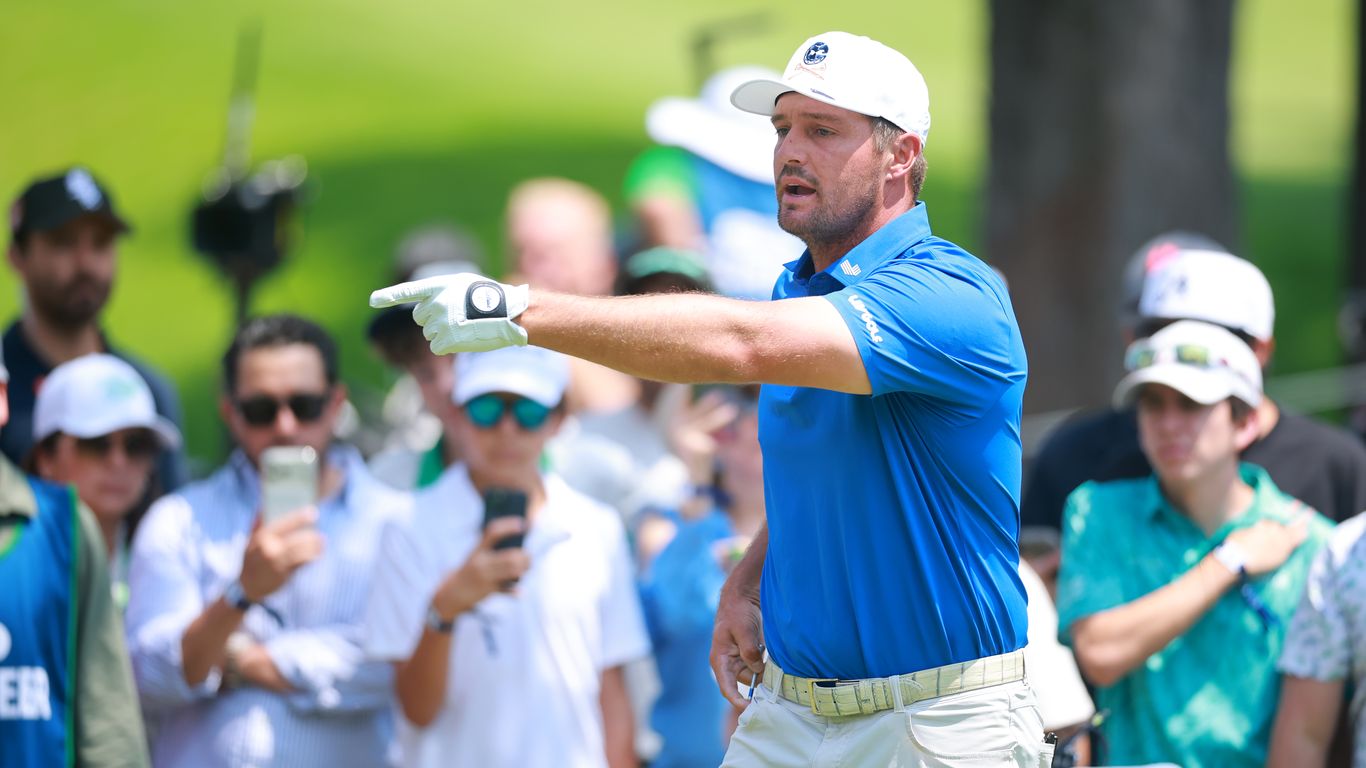
The Public Investment Fund is reportedly ending funding for LIV Golf after this season, putting the tour in serious jeopardy of collapse four years after launch. The move follows PIF's shift toward a 2030 investment strategy focused on sustained value creation and efficiency, raising immediate uncertainty for LIV players and staff, including Bryson DeChambeau. The development is negative for LIV and could affect broader professional golf dynamics, though it is not likely to move markets broadly.
This is less a golf story than a signal that Gulf sovereign capital is shifting from subsidy-led branding toward capital discipline. The second-order effect is that any asset whose economics depended on perpetual sponsor support now faces a repricing of terminal value, which matters for adjacent sports rights, media startups, and event businesses that were underwritten by strategic vanity rather than cash flow. The market should also read this as a warning that “sovereign-backed” no longer means open-ended funding; that raises the hurdle rate across private-market ventures that have been capitalized for optics more than returns. The immediate losers are the athletes, staff, and venues tied to the platform, but the bigger pressure point is bargaining power in the broader golf ecosystem. If the sponsor retreats, PGA counterparties gain leverage in player negotiations, broadcast rights, and tournament scheduling because the threat of a well-funded alternative weakens materially. Expect a short-term glut of talent and a medium-term reset in guaranteed-compensation deals across niche leagues, where sponsors may now prefer asset-light partnerships over balance-sheet-heavy commitments. The catalyst path is fast: 1-2 weeks for confirmation of wind-down mechanics, then 1-2 quarters for player defections, asset fire-sale dynamics, and renegotiation of media obligations. The tail risk is not a clean shutdown but a bridge financing or minority recap that keeps the brand alive while socializing losses, which would extend uncertainty and preserve some option value. A reversal would require a fresh strategic rationale from the sponsor or a third-party capital partner willing to buy the rights at a steep discount, but that looks more like a rescue than a growth story. The consensus is probably underestimating how quickly the market punishes sports platforms once the narrative shifts from expansion to dilution. In these structures, sentiment can vanish faster than operating expenses, so the equity-like value of the franchise is highly convex to sponsor intent. That said, the broader golf industry may be the hidden beneficiary if scarcity returns and premium events re-monetize better than expected.
AI-powered research, real-time alerts, and portfolio analytics for institutional investors.
Request DemoOverall Sentiment
strongly negative
Sentiment Score
-0.65
