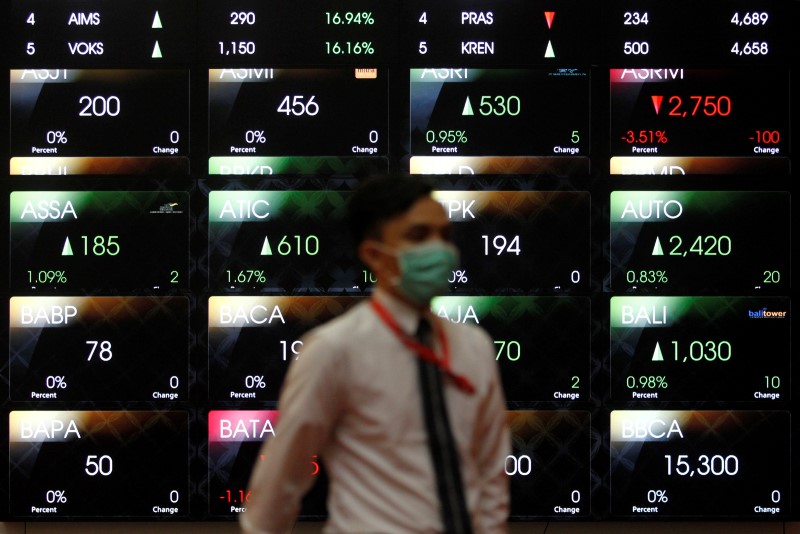
Oil surged after signals of Iran-related escalation: WTI May +6.67% to $106.80/bbl and Brent Jun +7.12% to $108.36/bbl, pushing markets into risk-off. Indonesian equities fell (IDX Composite -1.62%) with decliners outnumbering advancers 543 to 193; notable movers include MNC Studios (MSIN) +24.63% and Remala Abadi (DATA) -14.84%. FX and rates moved: USD/IDR +0.77% to 16,987.70, AUD/IDR -0.62% to 11,685.42, and the US Dollar Index +0.50% to 99.96; June gold futures slid -3.19% to 4,659.55. Monitor energy exposure, EM FX/liquidity, and risk-off positioning for near-term portfolio adjustments.
Geopolitical signaling that raises the odds of kinetic escalation has amplified the oil risk premium far beyond fundamentals because inventories and spare capacity are thin — the market is vulnerable to headline-driven flows and short-dated term-structure moves. That means price moves will be front-loaded (days–weeks) as funds, refiners and airlines scramble to hedge, while real supply responses from US shale or OPEC+ take months to materialize, creating a window for sustained above-trend volatility.
Second-order winners are names and instruments that monetize higher spot volatility and front-month backwardation: mid-cycle E&P producers with low decline rates and unhedged barrels, energy services firms with available rig-hours, and storage/term-freight providers who arbitrage a steeper front-end curve. Losers include net-energy importers and margin-sensitive sectors — airlines, parts of manufacturing and fertilizer producers — and EM balance-sheet carriers (local currency sovereigns and corporates) that will see funding costs rerate if FX weakness persists.
The immediate catalyst set to watch: any kinetic incident involving Iranian proxies, explicit US military engagement, OPEC+ emergency meetings, and an SPR release from major consumers; each has asymmetric probabilities and different time-to-impact (hours–days for headlines, weeks–months for production responses). A durable shift higher will be reversed by clear diplomatic de-escalation, a coordinated SPR release large enough to affect near-term crude balances, or a rapid demand softening in China — each would compress the risk premium and favor a de-risking of energy longs.
AI-powered research, real-time alerts, and portfolio analytics for institutional investors.
Overall Sentiment
mildly negative
Sentiment Score
-0.25
