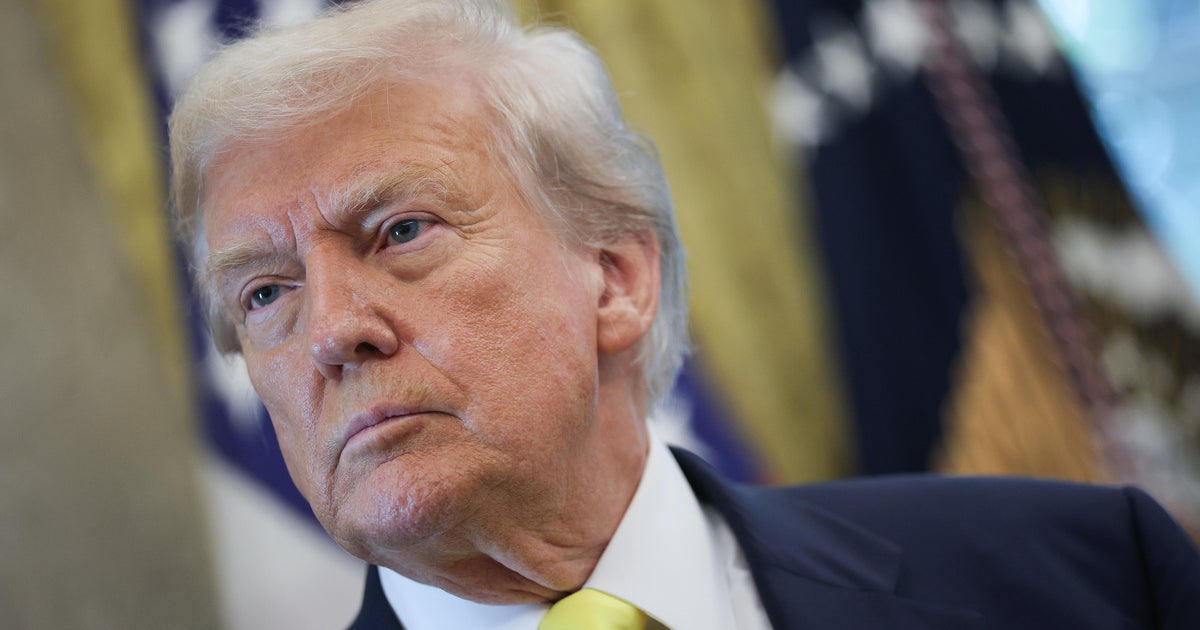
President Trump's new tariffs, which took effect Thursday, are intensifying economists' concerns about potential U.S. stagflation, characterized by rising prices and slowing growth. With the effective average tariff rate now at 18%, the highest since 1934, analysts project businesses will pass on costs, pushing July inflation to an estimated 2.8% and further from the Fed's 2% target, while GDP growth is forecast to slow to 1.5% in 2025. This environment, coupled with a wobbling job market, presents a significant dilemma for the Federal Reserve balancing its dual mandate, even as the White House dismisses these economic anxieties.
The implementation of new U.S. tariffs, elevating the effective average rate to 18%—the highest since 1934—is intensifying concerns of a stagflationary environment. Economic data points to a convergence of risks: inflation is projected to accelerate to 2.8% in July, moving further from the Federal Reserve's 2% target, while GDP growth forecasts for 2025 have been revised down to 1.5% from 2.4% in 2024. This slowdown is corroborated by a weakening labor market, evidenced by a disappointing employment report and three consecutive months of job declines in the manufacturing sector. This dynamic places the Federal Reserve in a challenging policy position, as noted by Chairman Powell, who highlighted the conflicting risks to both sides of its dual mandate. The central bank must weigh the need to combat rising inflation against the risk of exacerbating economic weakness and unemployment, a dilemma that creates significant uncertainty for asset prices.
AI-powered research, real-time alerts, and portfolio analytics for institutional investors.
Overall Sentiment
strongly negative
Sentiment Score
-0.70
Ticker Sentiment
