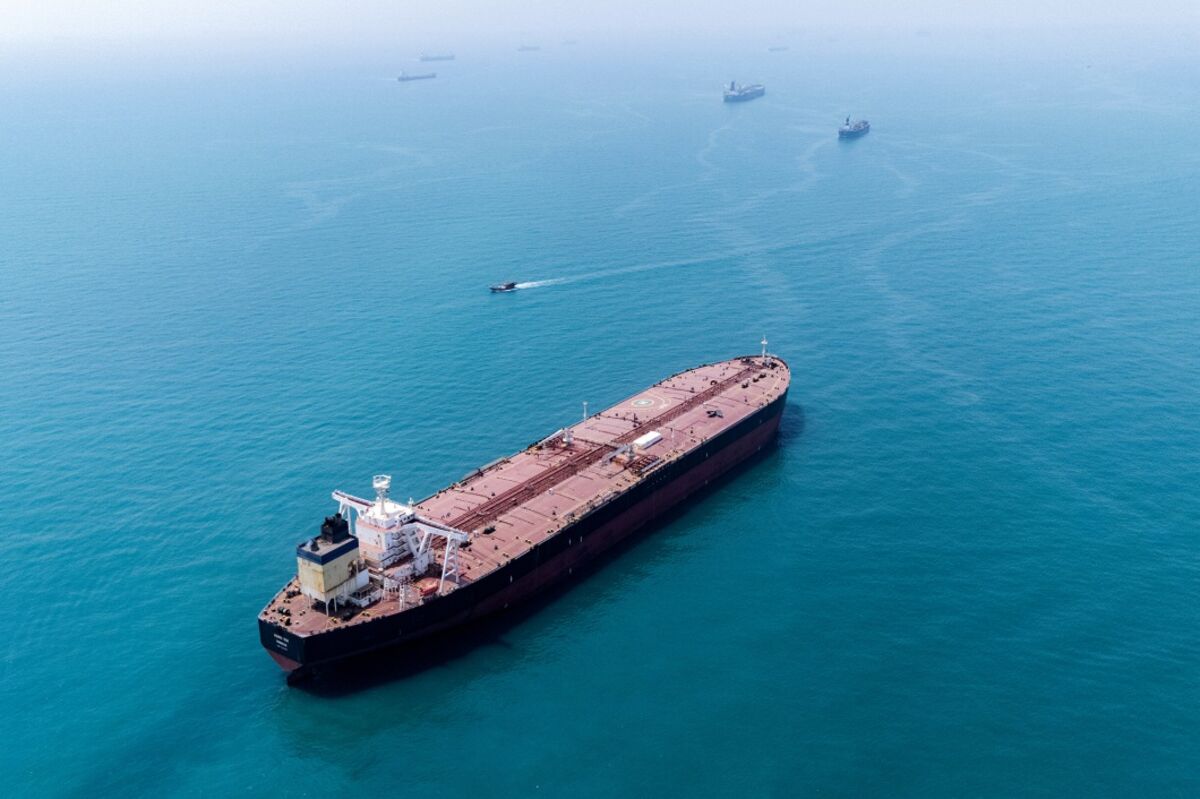
The U.S. Treasury Department has sanctioned Iraqi tycoon Waleed al-Samarra’i, accusing him of orchestrating a network of vessels and shell companies to disguise Iranian oil as Iraqi crude, facilitating the evasion of export restrictions. This operation allegedly generated hundreds of millions of dollars annually for Iran and its affiliates. The action represents the latest in a series of U.S. efforts to disrupt Tehran's energy trade and limit its revenue streams.
The U.S. Treasury Department has intensified its campaign against Iran's energy sector by sanctioning Iraqi tycoon Waleed al-Samarra’i. This action targets a specific mechanism for sanctions evasion: a network of vessels and shell companies used to disguise Iranian oil as Iraqi crude, which reportedly generates hundreds of millions of dollars in annual revenue for Iran. While the sanctioning of a single operative is an incremental step, it signals a persistent U.S. strategy to disrupt Tehran's access to global energy markets and curtail its revenue streams. For the oil market, the key implication is the potential, albeit gradual, tightening of illicit supply. The effectiveness of this enforcement will determine its impact on the volume of Iranian crude from the 'shadow fleet' that reaches global buyers, which serves as a marginal but notable component of global supply.
AI-powered research, real-time alerts, and portfolio analytics for institutional investors.
Request DemoOverall Sentiment
neutral
Sentiment Score
0.00
