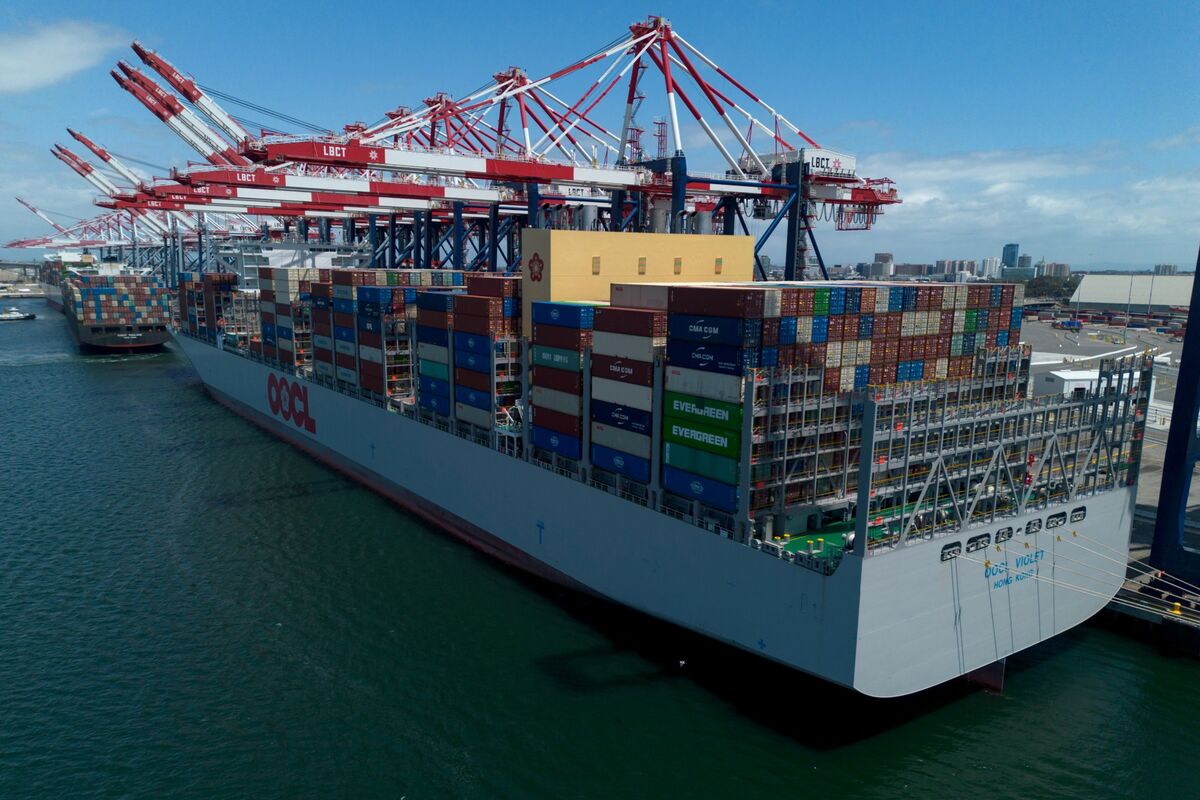
Chinese exports increased 4.8% year-over-year in May to $316 billion, falling short of the 6% forecast, while imports declined 3.4% for the third consecutive month, resulting in a $103 billion trade surplus. The export growth was dampened by the steepest drop in shipments to the U.S. in over five years, offsetting gains from other markets, signaling potential challenges despite the apparent trade truce.
China's export growth in May decelerated to 4.8% year-over-year, totaling $316 billion, which fell short of the 6% median economist forecast, indicating a potential softening in external demand. This weaker-than-anticipated export performance was significantly influenced by the most pronounced contraction in shipments to the U.S. in over five years, a development that notably counteracted strong demand from other global markets and occurred despite an apparent trade truce. Simultaneously, Chinese imports declined by 3.4% for the third consecutive month, pointing towards sustained weakness in domestic demand. These combined trade dynamics resulted in a substantial trade surplus of $103 billion. The overall data, reflecting a moderately negative sentiment and pessimistic tone, suggests ongoing challenges for China's export sector, particularly concerning its trade relationship with the U.S., which may temper the outlook for its economic recovery despite resilience in other export destinations.
AI-powered research, real-time alerts, and portfolio analytics for institutional investors.
Request DemoOverall Sentiment
moderately negative
Sentiment Score
-0.50
