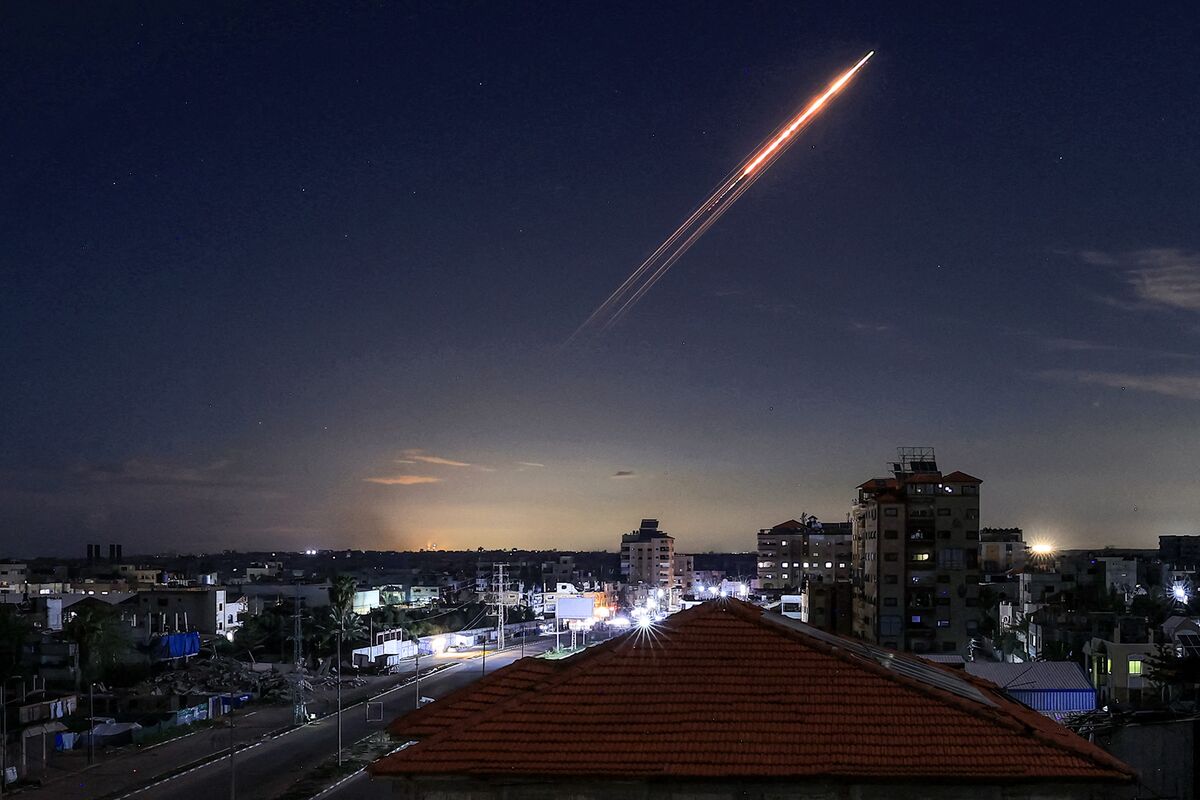
Brent crude climbed back above $90/barrel after the UK Navy reported three ships were attacked in the Strait of Hormuz and the Persian Gulf. IEA members are expected to decide on the largest-ever release of emergency oil reserves, signaling potential coordinated supply intervention. Persistent uncertainty over Iran's war aims and US warnings raise contagion risk, whipsawing markets and prompting volatile, risk-off positioning.
Markets are pricing a reaction function more than a fixed outcome: volatility is now the vehicle by which geopolitical uncertainty transmits into real-economy frictions. Expect three near-term mechanical channels to drive asset dispersion — insurance/surcharge repricing for maritime routes, immediate hedging flows into energy derivatives and equity longs, and faster widening of credit spreads for regionally exposed corporates — each with distinct time constants (days for insurance notices, weeks for derivative positioning, months for credit reassessment).
Second-order supply effects matter more than headline barrels. Re-routing or slower transits add measurable logistics cost (plausible +5–15% to short-haul tanker cost per voyage and +$0.50–$2.00/bbl landed cost depending on routing), which compresses refinery margins on light products disproportionately and creates a tactical window for midstream owners with contracted throughput and integrated refiners to arbitrage negative crack movements.
Tail risks are asymmetric: a short, credible de-escalation (diplomatic deal or credible maritime protection) can erase the risk premium in weeks, but sustained disruption above a threshold (oil consistently >$100 for 3+ months or persistent insurance blacklists) pushes durable capex reallocation back into longer-cycle supply projects and forces demand-response (~1–2% global oil demand elasticity over 6–12 months). Watch implied vol term-structure and tanker insurance notices as high-frequency indicators — a front-month vol premium that persists into the 3–6 month bucket signals a regime change rather than a spike.
Consensus is over-indexed to headline directional moves and underweights dynamic hedging impacts. The market is under-pricing the speed at which refiners and shippers reprice and re-route cargoes, and over-pricing the duration of physical shortages given existing spare capacity outside the region that can be mobilized within 60–120 days if prices stay elevated.
AI-powered research, real-time alerts, and portfolio analytics for institutional investors.
Request DemoOverall Sentiment
strongly negative
Sentiment Score
-0.60
