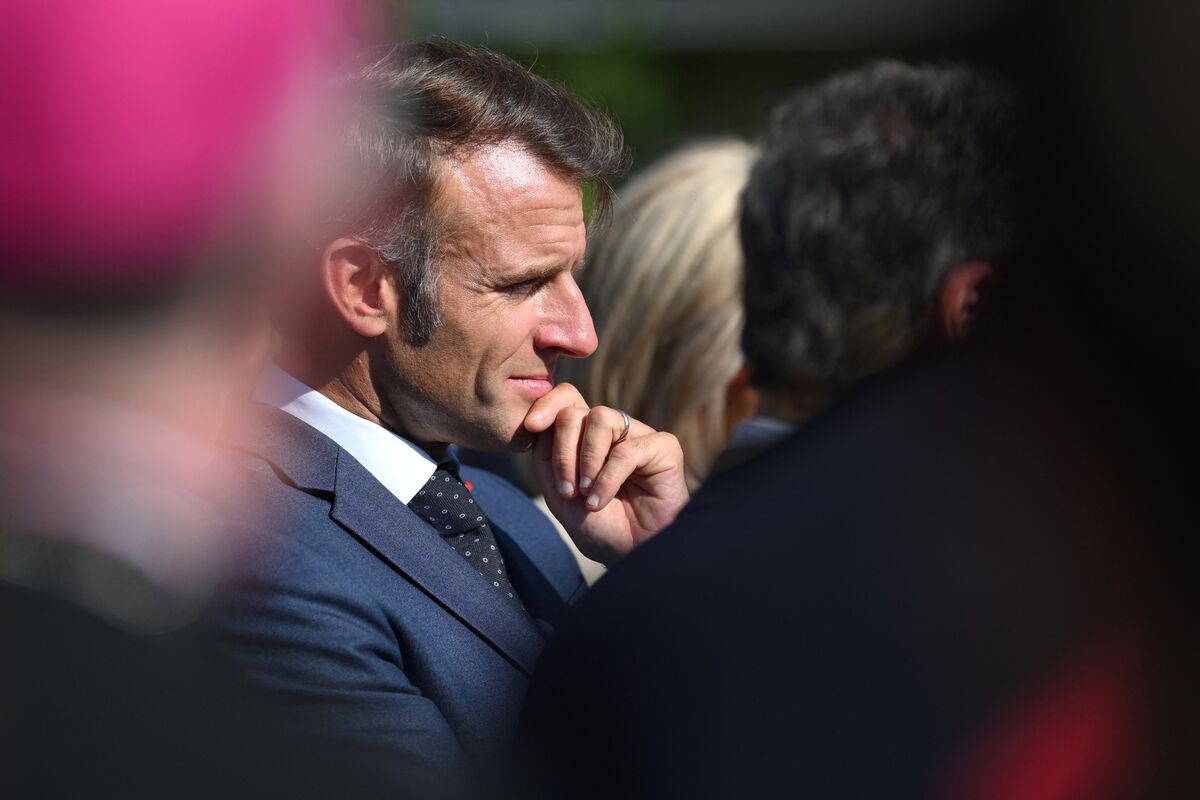
France is poised to formally recognize a Palestinian state at the UN General Assembly this week, aligning with recent declarations from the UK, Canada, and Australia, and placing major Western powers in agreement with nearly 150 nations. This move creates a notable diplomatic divergence from the United States, the sole permanent UN Security Council member not recognizing Palestine, with US officials, including Secretary of State Marco Rubio, criticizing such recognition as counter-productive and emboldening Hamas, underscoring growing geopolitical friction among allies on this sensitive issue.
A significant geopolitical realignment is underway as France prepares to formally recognize a Palestinian state, a move that follows similar declarations by the UK, Canada, and Australia. This action aligns major Western powers with the nearly 150 countries that already recognize Palestine, but creates a notable diplomatic fissure with the United States, which now stands as the sole permanent UN Security Council member not to do so. The divergence is underscored by pointed criticism from US officials; Secretary of State Marco Rubio described the recognition as "counter-productive" for emboldening Hamas, and the US ambassador to France publicly criticized the initiative. While the immediate market impact is assessed as low, this growing friction among traditional allies on a critical foreign policy issue introduces a new layer of geopolitical uncertainty that could have broader implications for international cooperation and regional stability in the Middle East.
AI-powered research, real-time alerts, and portfolio analytics for institutional investors.
Request DemoOverall Sentiment
neutral
Sentiment Score
0.00
