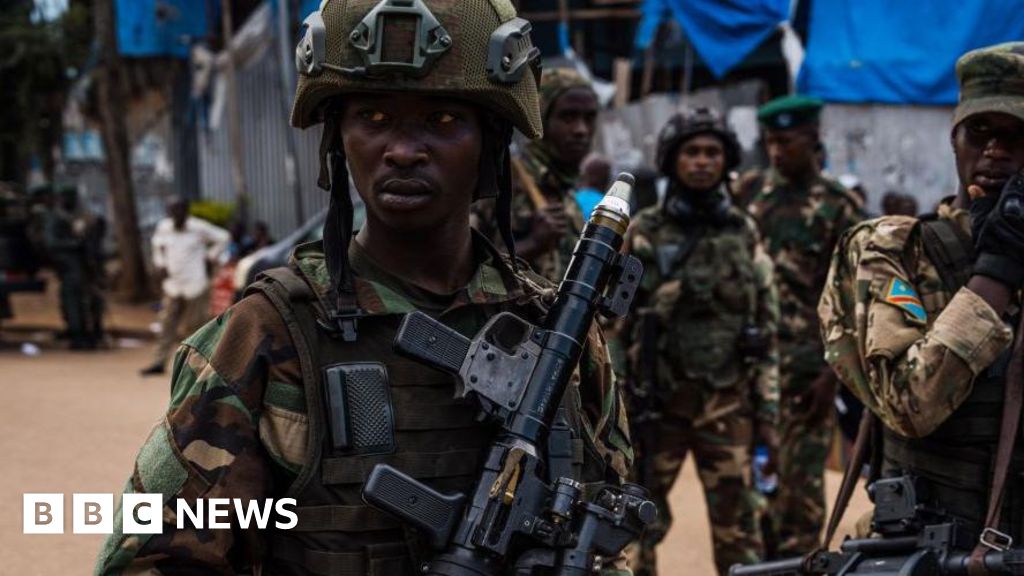
M23 rebels who seized the strategic eastern DRC city of Uvira say they have begun withdrawing under US pressure and promise to complete the pullout by Thursday, but Kinshasa calls the announcement unverified and possibly a diversion. The offensive left dozens dead, at least 100 wounded and displaced more than 200,000 people (about 30,000 into Burundi), and prompted US warnings of sanctions against Rwanda over alleged backing of the rebels. The episode sustains political and humanitarian risk in the region and raises sanction and reputational exposure for Rwanda-linked counterparties, keeping investors in a cautious, risk-off posture until on-the-ground verification and durable de-escalation are confirmed.
Market structure: The Uvira seizure and threatened US sanctions against Rwanda raise the political risk premium on DRC-linked supply chains for copper/cobalt (DRC supplies up to ~70% of refined cobalt). Short-term winners: commodity-price plays and safe-haven assets (gold, USD); losers: miners with concentrated DRC assets, local EM equities and regional currencies. Expect a volatility spike in base-metals (cobalt +10–25% tail moves possible) and a 2–6% knee-jerk widening in EM equity and sovereign credit spreads.
Risk assessment: Tail risks include broadening of conflict or US/EU sanctions against Rwandan-linked logistics firms which would disrupt exports for months and force rerouting at ~+20–40% logistical cost. Immediate (days) risk is headline-driven volatility; short-term (weeks/months) is sanctions verification and supply-chain rerouting; long-term (quarters/years) is structural realignment of sourcing away from DRC. Hidden dependencies: artisanal supply, Chinese offtake agreements, and private logistics contractors that can mask real flows.
Trade implications: Favor commodity exposure to cobalt/copper via miners ETFs and selective longs in non-DRC copper producers; hedge or short miners with material DRC production. Use options to express asymmetric risk: 1–3 month calls on copper/cobalt exposures and puts on EM indices and DRC-exposed equities; size positions small (1–3% each) and scale on objective triggers (e.g., sanctions announced, LME cobalt move >+10%).
Contrarian angles: Consensus may overshoot operational disruptions — most large-scale industrial mines have security buffers and insurance, so price spikes could be short-lived; that argues for selling volatility into rallies. Historical parallels (2017 Catalonia/2019 Libya skirmishes) show 4–12 week commodity dislocations often mean-revert; consider buying dips in diversified global copper producers (FCX) while shorting pure-DRC names (IVN/3993.HK) for relative value.
AI-powered research, real-time alerts, and portfolio analytics for institutional investors.
Request DemoOverall Sentiment
strongly negative
Sentiment Score
-0.60
