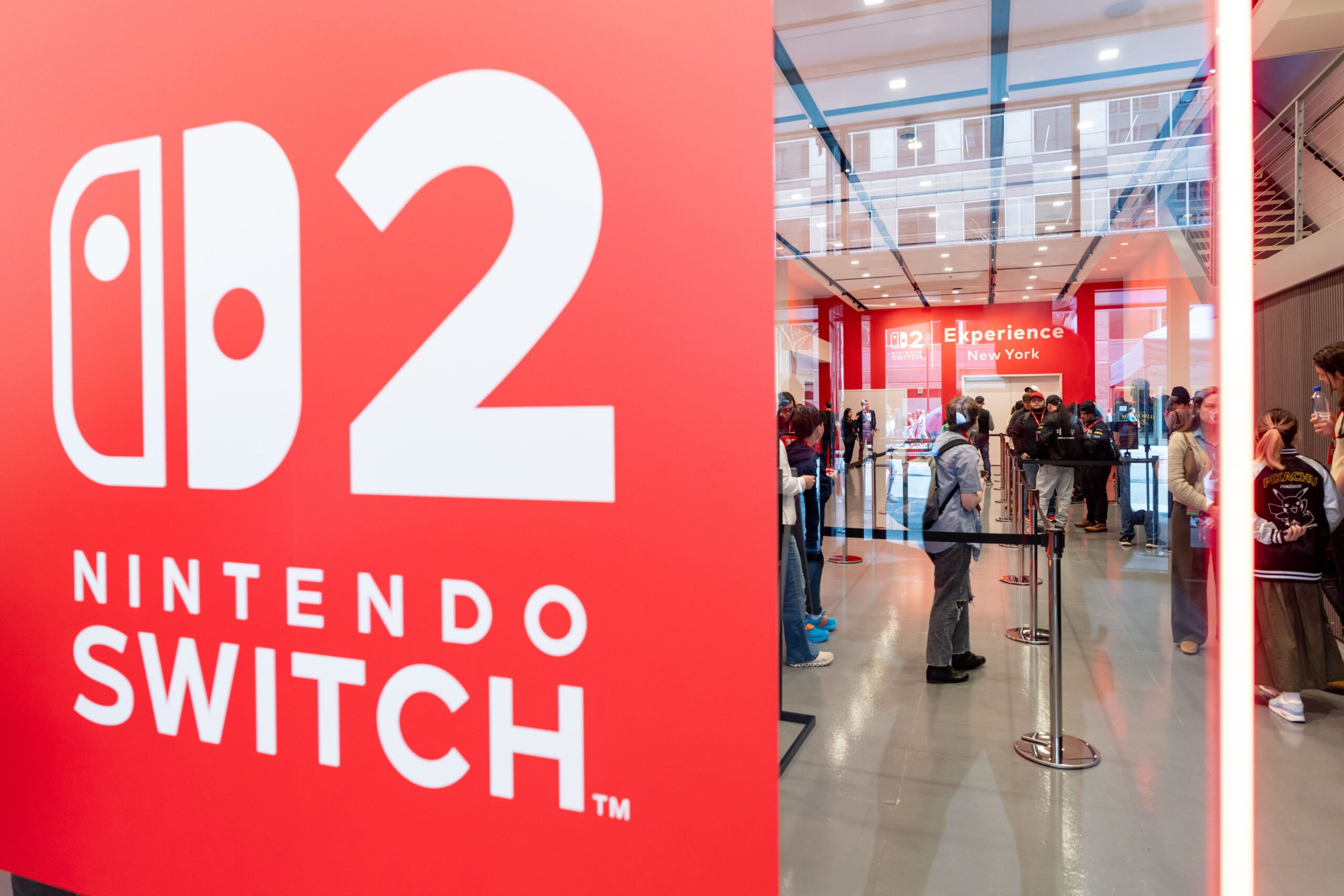
Nintendo is raising Switch 2 prices by $50 in the US to $499.99 from September 1, with similar increases in Europe (€499.99), Canada (C$679.99), and Japan (around ¥10,000 more across hardware). The company cited changes in market conditions and a global business outlook, with higher RAM costs and US tariffs adding pressure. The move may support margins, but it also risks dampening consumer demand for its hardware.
This is a margin-protection signal, not a demand stimulus. When a platform vendor can push through price increases across regions simultaneously, it implies unit economics are being squeezed enough that the company would rather defend profitability than optimize console penetration, which usually helps the ecosystem in the near term but can slow the installed-base ramp over the next 2-4 quarters. The key second-order effect is that higher hardware ASPs can preserve software and subscription monetization per user, but only if the audience is relatively inelastic; otherwise the risk is a longer adoption curve that pushes game publishers’ ROI out by 6-12 months.
The most exposed name is SONY, but not because of a direct read-through on its current console base; it’s because the market will likely extrapolate a broader industry pricing regime and accept lower hardware subsidy expectations across the cycle. That is mildly supportive for console OEM margins, but it also raises the probability of consumer trade-down and delayed purchases in discretionary households, which tends to hit attach rates and accessory mix before it shows up in headline unit data. MSFT is comparatively insulated here; its gaming thesis is less dependent on box economics and more on ecosystem services, so any competitive pressure from higher-priced hardware is neutral-to-slightly-positive for platform flexibility.
The contrarian point is that the move may be less about pricing power and more about cost inflation finally catching up to OEMs, especially if memory and tariffs remain sticky. If that’s the case, the market should treat this as a squeeze on future unit growth rather than a clean monetization win, particularly into holiday budgeting season. Over the next 1-3 months, the key catalyst is whether channel checks show pre-buying before the higher MSRP takes effect; if not, the risk is a demand air pocket into the first full quarter after implementation.
AI-powered research, real-time alerts, and portfolio analytics for institutional investors.
Request DemoOverall Sentiment
mildly negative
Sentiment Score
-0.28
Ticker Sentiment
