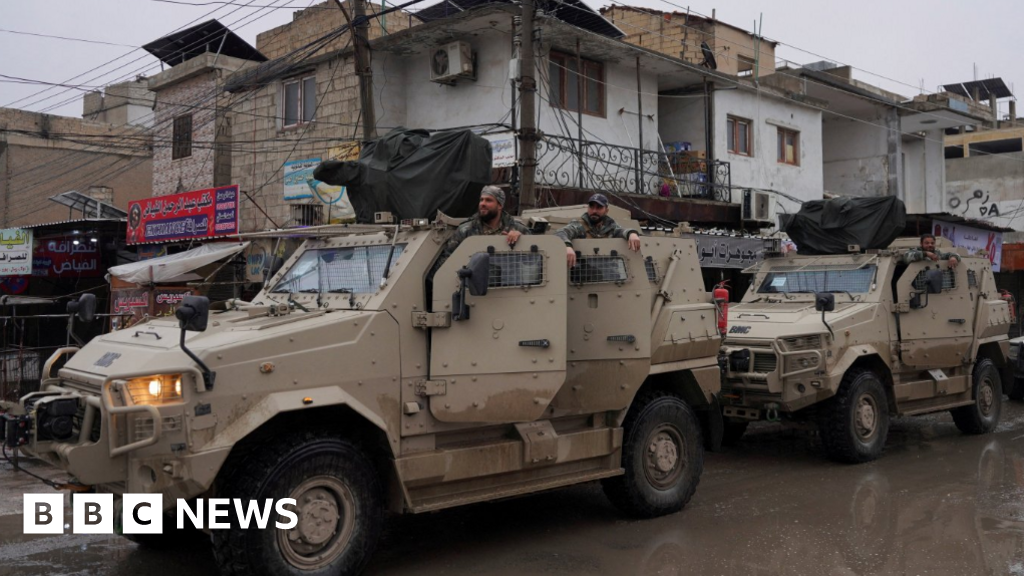
Syrian government forces have seized the Omar oil field—Syria's largest—and nearby gas fields after the US-backed SDF withdrew east of the Euphrates, alongside the capture of the Tabqa dam, shifting control of a key revenue source from Kurdish authorities to Damascus. The moves follow a breakdown in implementation of a deal to integrate Kurdish bodies into national institutions and come amid continued clashes and strategic infrastructure damage; the change materially alters local oil-revenue dynamics and raises regional security and operational risks, though it is unlikely to meaningfully affect global oil supply.
Market structure: Control of Omar shifts local cash flows from the US-backed SDF to Damascus and its backers (Russia/Iran), improving Syrian government's fiscal runway for months but with negligible direct global supply impact. Expect a short-lived risk premium in Brent/WTI of $0.5–$2/bbl if confined to headlines; a meaningful supply shock (loss of 50–200 kb/d) would add $3–$8/bbl and amplify tail-risk premia across commodities and EM FX.
Risk assessment: Key tail risks are escalation involving Turkey/US or sabotage of export infrastructure, sanctions adjustments that either freeze or unlock reconstruction capital, and clandestine oil sales networks that obscure flows. Time horizons: immediate (days) = headline-driven volatility; short-term (weeks–3 months) = tactical repricing in oil, defense, EM FX; long-term (6–24 months) = reconstruction winners/LOSERS as contracts are awarded and sanctions evolve.
Trade implications: Tactical: small, time-boxed energy longs and volatility plays; strategic: exposure to defense suppliers and gold as insurance if conflict widens. Cross-asset tactics: long Brent call spreads (1–3 month), 1–3% tactical longs in XLE/USO if Brent breaches +$2/bbl; 1–2% buys of RTX/LMT if escalation causes persistent risk premium >$5/bbl for 4+ weeks; hedge EM exposure with USD longs or GLD.
Contrarian angles: Consensus will overstate Syria’s global supply role — the market often overshoots then reverts in 2–6 weeks absent regional contagion. Mispricings likely in oil services (OIH) and regional EM credits; if reconstruction contracts go to Russia/Iran, Western defense contractors may not benefit as much as markets expect. Historical parallels: 2014 Kurdish shifts produced 2–8 week spikes then mean reversion.
AI-powered research, real-time alerts, and portfolio analytics for institutional investors.
Request DemoOverall Sentiment
moderately negative
Sentiment Score
-0.30
