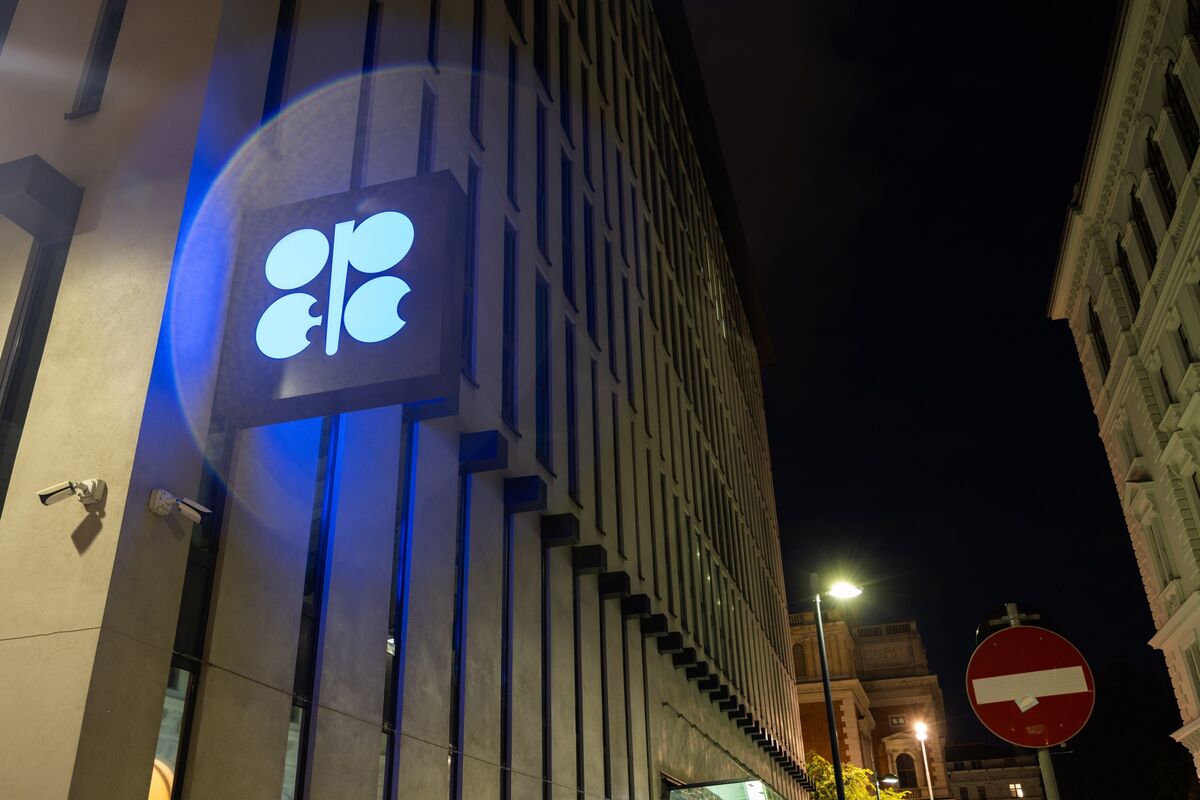
OPEC+ has agreed in principle to accelerate its oil supply increases to approximately 550,000 barrels per day for next month, exceeding the previously anticipated 411,000 b/d. This larger-than-expected hike, which key alliance members are set to approve at a virtual meeting on Saturday, signals the group's intent to reclaim market share and could influence crude pricing dynamics.
OPEC+ has signaled a material shift in its production policy by agreeing in principle to a larger-than-expected supply increase of approximately 550,000 barrels per day for the upcoming month. This figure notably exceeds the 411,000 b/d increment that was implemented over the prior three months and anticipated by the market for August. The strategic rationale provided is a pivot towards reclaiming market share, suggesting a potential move away from a singular focus on price maximization. This acceleration, pending final approval by key members, introduces a bearish catalyst for crude prices in the near term by injecting more supply than forecasted. The development's market impact score of 0.6 highlights its significance for energy markets, potentially capping the recent price rally and altering supply-demand balance calculations for the second half of the year.
AI-powered research, real-time alerts, and portfolio analytics for institutional investors.
Request DemoOverall Sentiment
moderately positive
Sentiment Score
0.40
