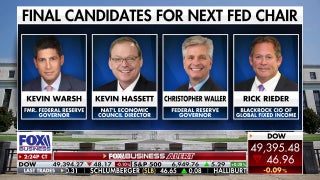
President Trump proposed a 10% cap on credit card interest rates to take effect Jan. 20, prompting industry pushback that such a cap would sharply reduce access to cards; the Electronic Payments Coalition estimates 82–88% of cardholders could lose cards or face drastic limits, affecting an estimated 175–190 million accounts and nearly all accounts with scores below 740. National Economic Council Director Kevin Hassett said the administration is discussing voluntary “Trump card” programs with big banks to expand credit access without legislation, while JPMorgan CFO warned the proposed cap could broadly shrink credit availability and harm the economy.
Market structure: A 10% APR cap (or credible threat) shifts rents away from unsecured credit providers toward safer credit products, fees, and non-bank lenders. Direct losers: card-centric issuers (Capital One COF, Synchrony SYF, sizable card books at JPM) via lost NIM and limit reductions; winners: prime-focused banks, credit unions, BNPL/secured-lending fintechs and payment networks (MA, V) that can pick up volume or raise fees. Bond/credit: expect bank senior and subordinated spreads to widen (roughly 10–50bp possible for mid-tier banks) and equity volatility to spike in the next 1–8 weeks.
Risk assessment: Tail risk includes statutory 10% cap enacted (low-probability within 3–12 months but high-impact), an executive/administrative action that forces rapid repricing, or widespread account shutdowns causing consumer distress. Immediate (days) risk = headline-driven equity swings; short-term (weeks/months) = underwriting tightening and limit pullbacks concentrated at FICO <740; long-term (quarters/years) = structural shift toward secured/fee-based products and non-bank credit growth. Hidden dependencies: consumer delinquency trends, Fed rate path, interchange regulation and bank voluntary product design.
Trade implications: Short card-heavy issuers and buy payment networks/prime lenders; use options to limit downside. Relative-value: pair short COF/SYF vs long MA/V or long credit unions/prime-focused regional banks. Time anchors: act within 2–6 weeks to capture repricing; reassess on earnings and any congressional action within 30–90 days.
Contrarian angles: Consensus assumes permanent APR cap; market may overprice that risk—banks historically adapt (CARD Act precedent) by raising fees and creating secured products, limiting long-term earnings damage. The more likely path is voluntary “Trump card” products and targeted shrinkage of subprime lines, creating attractive dislocation in card-specialist securitizations and credit ABS tranches — consider selective long in senior ABS and short unsecured card exposure.
AI-powered research, real-time alerts, and portfolio analytics for institutional investors.
Request DemoOverall Sentiment
moderately negative
Sentiment Score
-0.45
Ticker Sentiment
