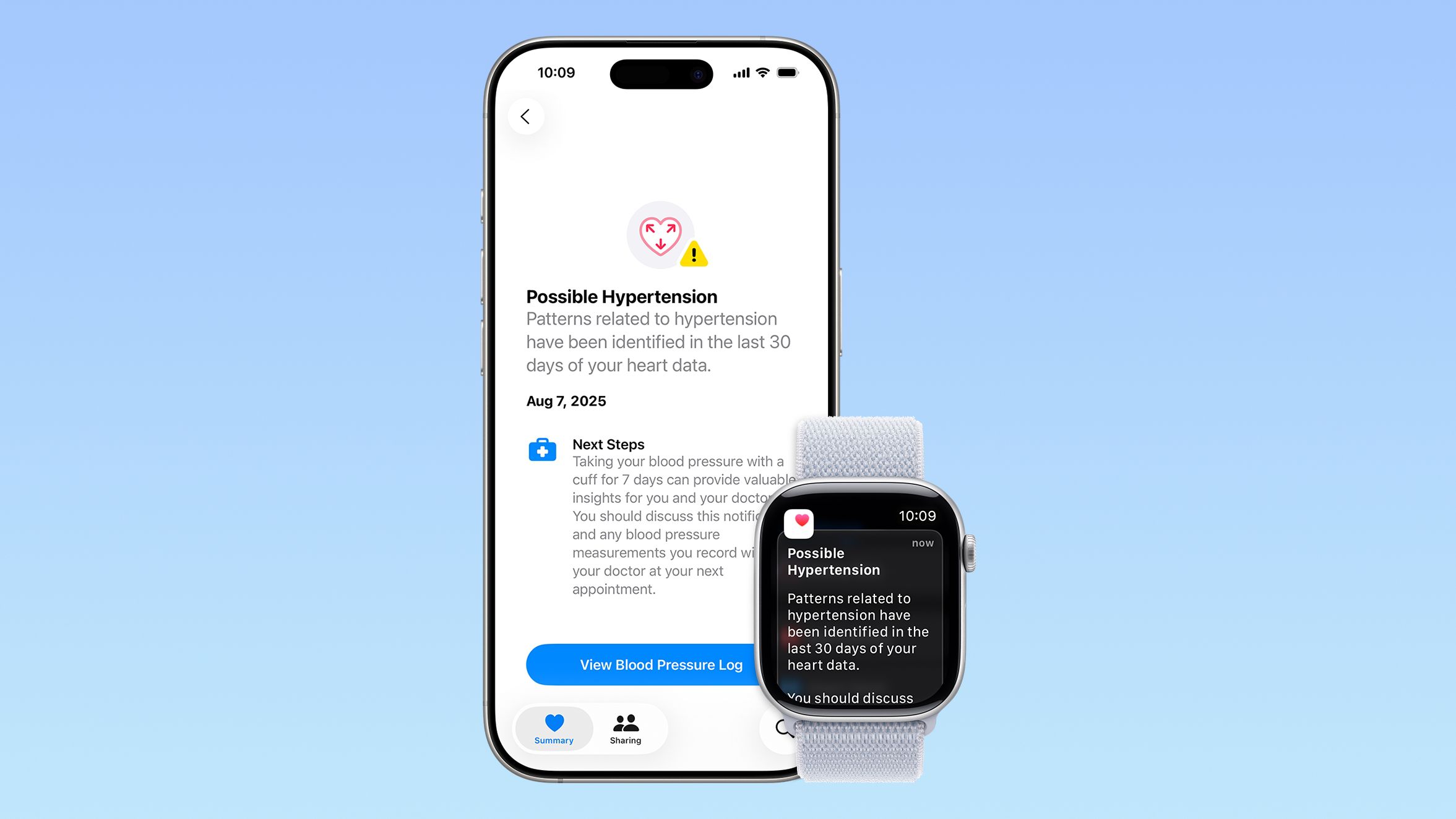
Apple has expanded its Apple Watch hypertension notifications to Australia, Malaysia, Colombia, Indonesia, South Korea, Brazil and Turkey, using on‑device sensors and algorithms to detect sustained high blood pressure over a 30‑day period and prompt users to opt into more frequent monitoring with doctor guidance. The capability is available on Apple Watch Series 9 and later and Apple Watch Ultra 2 and later, broadening Apple’s health services footprint and potential user engagement across additional markets (noting hypertension affects roughly 1.4 billion adults globally), though the move is likely to be modestly accretive to device stickiness rather than a material near‑term revenue driver.
Market structure: Apple (AAPL) is the clear beneficiary — embedding hypertension alerts into Watch/iPhone increases product differentiation, stickiness and the services health narrative in seven new markets (Australia, South Korea, Brazil, Indonesia, Malaysia, Colombia, Turkey). Expect modest unit demand upside: if Series 9+/Ultra2+ conversion lifts Watch sales by 1–3% in these regions over 12 months, that's incremental hardware revenue in the low hundreds of millions and higher long‑run services ARPU through health features and potential insurance/clinic partnerships. Incumbent single-function BP device makers and smaller wearable vendors (e.g., Garmin) face incremental competitive pressure.
Risk assessment: Key tail risks are regulatory classification and liability — national regulators (ANVISA, MFDS, local health ministries) could require medical-device approvals or restrict claims, producing 30–90 day delays or post‑launch remedies. Short term (days-weeks) the news should create a muted positive sentiment; medium term (3–12 months) adoption depends on installed base of Series 9+ devices (likely <40% of active Watch base today); long term (2–5 years) monetization hinges on payer/provider integrations and accuracy vs clinical gold standards. Hidden dependency: algorithm performance and doctor referral workflows are critical; false positives could cause reputational/regulatory hits.
Trade implications: Tactical long AAPL exposure (1–3% of portfolio) is justified on differentiated hardware+services optionality — prefer limited-risk bullish option structures (3–9 month call spreads 5–15% OTM) over naked calls. Relative trade: long AAPL vs short GRMN (0.5–1%) where Garmin lacks an integrated smartphone ecosystem. If regulatory notices appear within 30–90 days, expect 3–7% intraday moves — use dips >3% to scale into long exposure or protected call buys.
Contrarian angles: Consensus understates timeline to monetize health features — investors may overrate immediate revenue impact while underpricing long-term leverage into insurance/telehealth contracts that could add $1–5B ARR by 2028 if scaled. Conversely, the market may underappreciate downsides from regulatory pushback or accuracy failures; similar to ECG/AFib rollouts, initial skepticism turned into durable platform value after approvals — but only after 12–24 months of evidence and partnerships.
AI-powered research, real-time alerts, and portfolio analytics for institutional investors.
Request DemoOverall Sentiment
neutral
Sentiment Score
0.12
Ticker Sentiment
