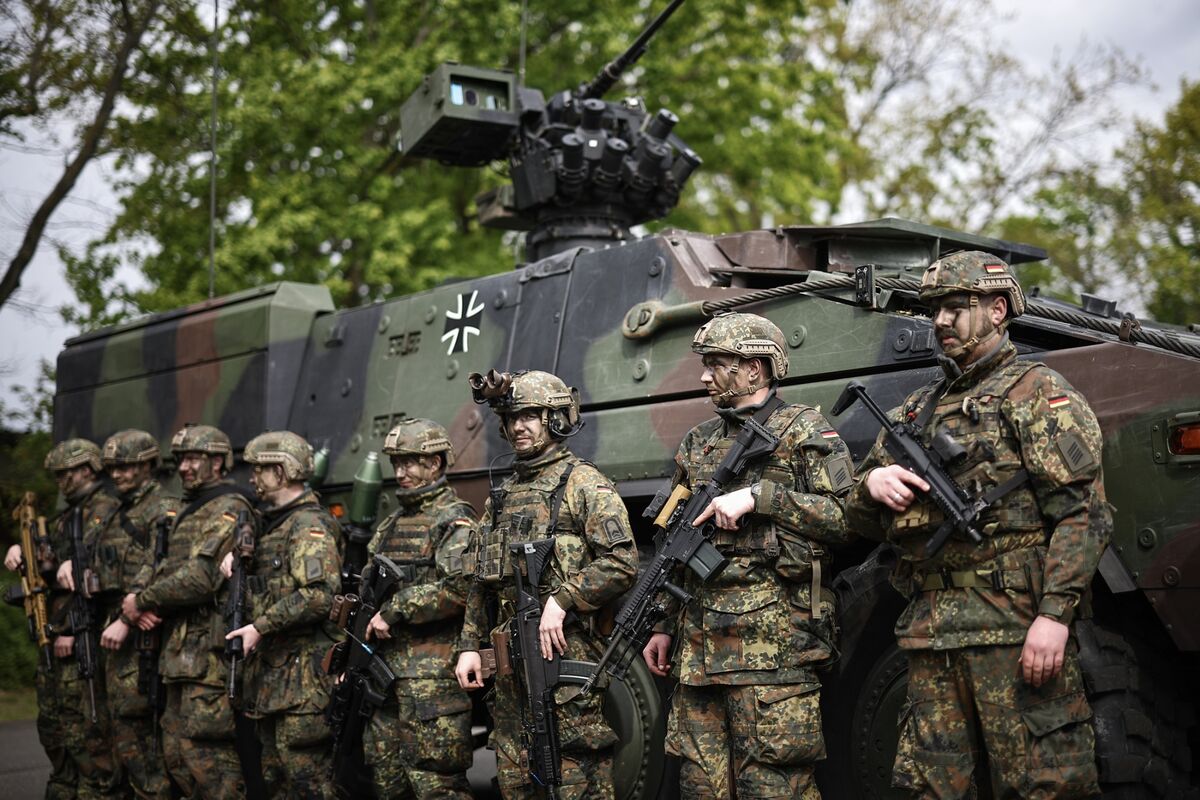
Germany plans to significantly increase core defense spending to 3.5% of GDP by 2029, up from the current 2%, to meet NATO's new alliance goal. This substantial five-year military investment signals a major governmental fiscal reallocation and potential demand surge for the defense sector, with further increases possible to meet a 5% benchmark sought by the US.
Germany's plan to increase its core defense spending to 3.5% of GDP by 2029 represents a significant fiscal policy shift and a structural tailwind for the defense sector. This multi-year commitment, intended to meet a new 3.5% NATO target, signals a substantial and sustained increase in government investment, moving from the current 2% level. The potential for a further increase to a 5% benchmark, as mentioned in the context of US demands and an upcoming NATO summit, suggests that the 3.5% figure could be a baseline rather than a ceiling. This policy change in Europe's largest economy creates a predictable, long-term demand forecast for military hardware and services, fundamentally altering the revenue outlook for European defense contractors.
AI-powered research, real-time alerts, and portfolio analytics for institutional investors.
Request DemoOverall Sentiment
moderately positive
Sentiment Score
0.45
