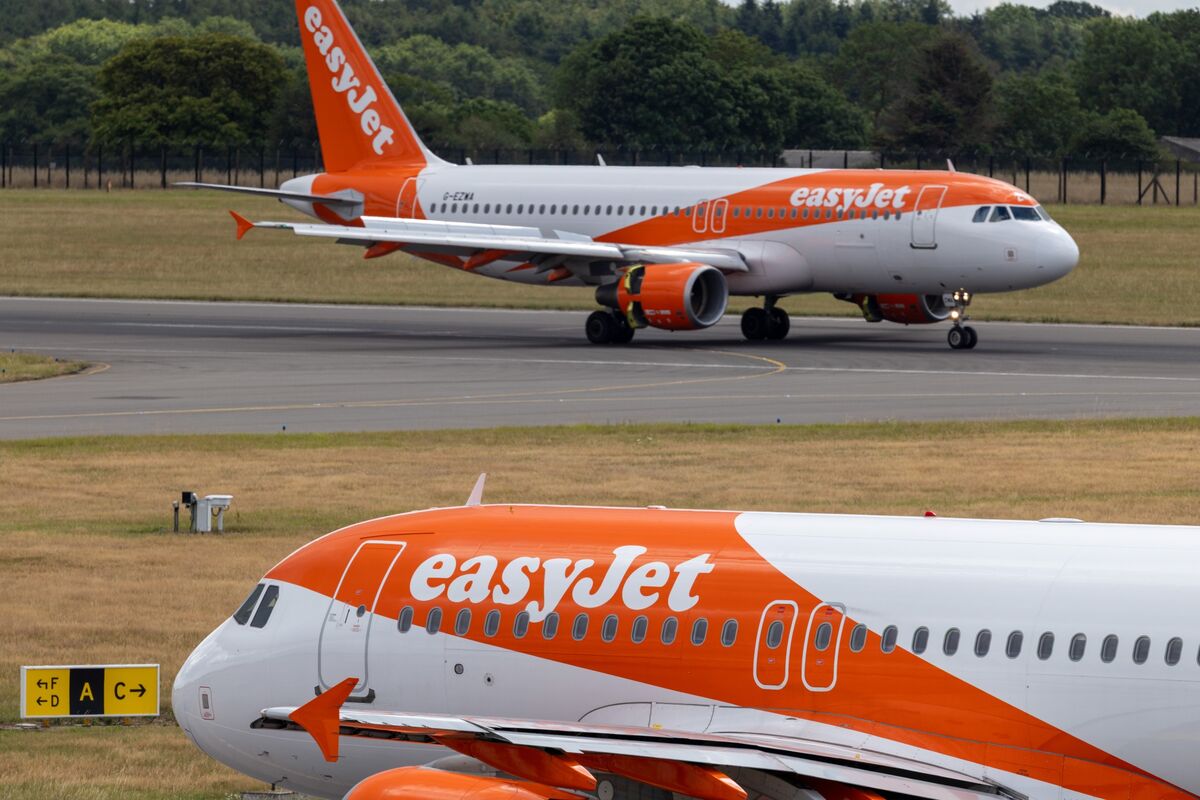
EasyJet reports accelerating Airbus deliveries — taking nine jets in fiscal 2025 and expecting 17 in the following year — which management says will lift available seat kilometres (ASKs) by roughly 7% in 2026. CEO Kenton Jarvis highlighted continued strong demand for low-cost travel; improved OEM delivery cadence should ease capacity constraints and support top-line growth, though the additional seats could weigh on yields depending on fare trends.
Market structure: Accelerating fleet availability shifts bargaining power toward low-cost carriers that can quickly deploy seats into high-yield leisure routes; expect upward passenger volumes but downward pressure on average fares if load factors fall below ~82%. Airlines with flexible short-term capacity and stronger ancillary mixes will win pricing contests; less flexible peers face 50–150bp EBITDA margin compression in a >3% fare-decline scenario. Credit spreads for stronger operators should tighten 10–30bp, while weaker balance-sheet names see widening and higher CDS volatility. Jet fuel and Brent remain primary cross-asset drivers — a sustained spike >$85/bbl would negate benefits from extra capacity.
Risk assessment: Tail risks include sudden OEM reversals, a COVID-like travel shock, EU/UK carbon or slot regulation changes that add €5–€12 per passenger, or steep oil shocks; each could flip the trade within 1–3 months. Immediate (days) risk: headline repricing and vol spikes; short-term (weeks–months): revenue/booking cadence and promotional intensity; long-term (quarters–years): lease maturities, pension exposures, and residual aircraft values. Hidden dependencies: lease covenants, timing of retirements of older frames, and ancillary revenue elasticity under price competition. Key catalysts: summer booking trends, quarterly trading updates, and Brent >$85 or load factors <82% for two consecutive quarters.
Trade implications: Put capital to work selectively: favor carriers with mix-shift upside and healthy balance sheets while hedging fuel; avoid long-duration exposure to low-cash airlines. Implement relative-value trades (see decisions) that capture spread tightening vs peer weakness; prefer option structures that monetize a gradual positive drift into next peak season rather than binary event risk. Rotate 5–10% toward airport/handling service providers only if yields stabilize and passenger volumes rise for two consecutive quarters. Use fuel call spreads and short-dated volatility sells to finance directional exposure when implied vol > historical realized by >30%.
Contrarian angles: Consensus underestimates used-aircraft residual-value and lease-roll stress if multiple carriers expand simultaneously — past cycles (2014–16) show capacity growth + oil spike can erase expected margin gains. The market may underprice the risk that ancillary revenue cannot fully offset ticket-yield declines; a 3–5% net yield fall would materially compress cashflow even with higher ASKs. Watch for unintended consequences: airports pushing higher charges, lessor renegotiations, or competitor capacity retaliation — unwind longs if Brent >$85 or ex-peak load factors decline below 82% for two quarters.
AI-powered research, real-time alerts, and portfolio analytics for institutional investors.
Request DemoOverall Sentiment
moderately positive
Sentiment Score
0.45
