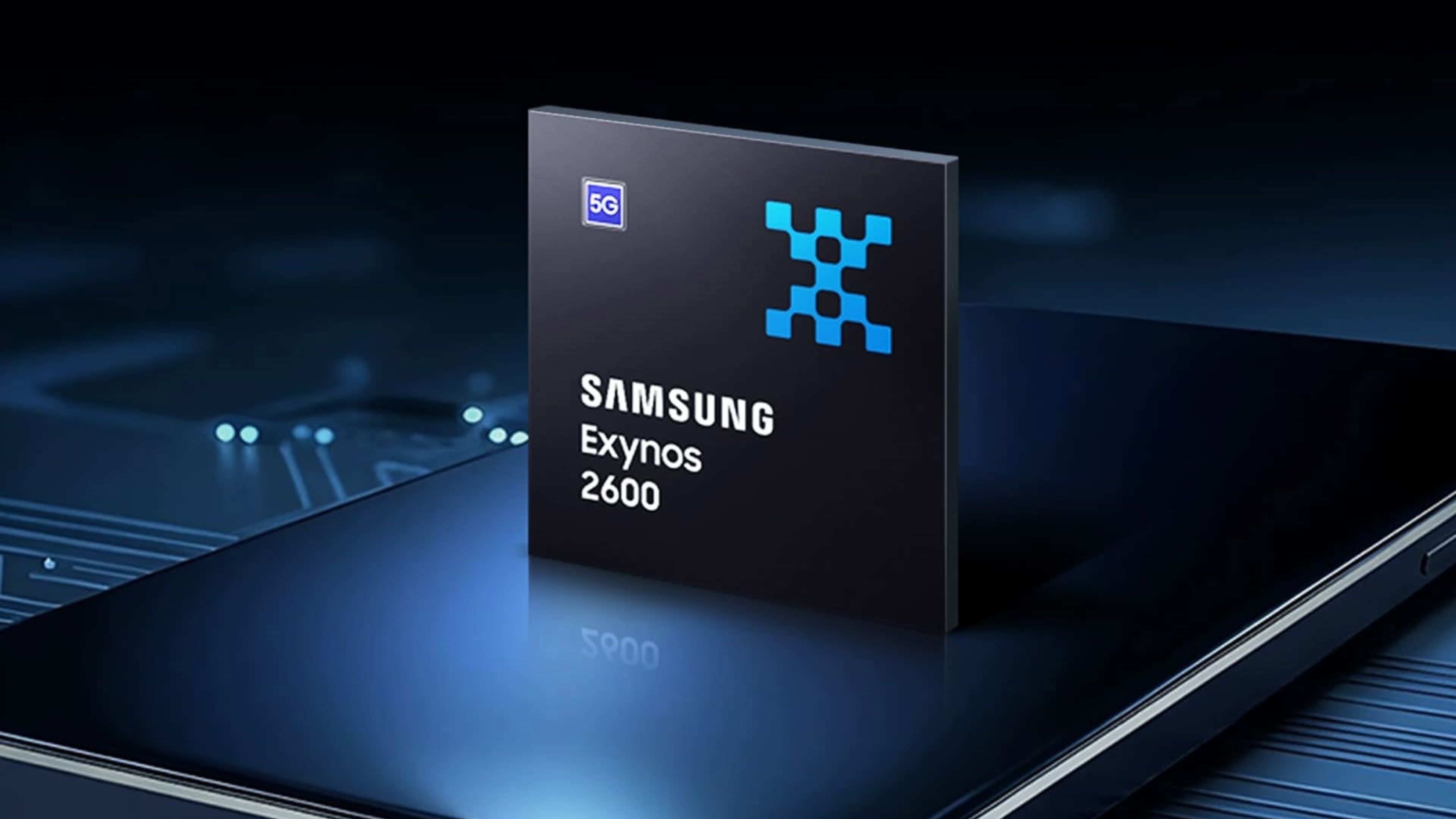
Samsung unveiled the Exynos 2600, billed as the first 2nm mobile SoC using its GAA process: a 10‑core ARM design claiming up to 39% CPU improvement, 113% faster NPU, an Xclipse‑based GPU that doubles graphics performance and up to 50% better ray tracing, plus a new Heat Path Block thermal solution. The announcement underscores Samsung's effort to close performance and thermal gaps with rivals, while Apple is reported to have secured significant initial TSMC N2 (2nm) capacity for A20/A20 Pro chips expected in late‑2026, with TSMC N2 promising ~15% higher perf or 25–30% lower power and ~15% higher density versus 3nm — developments material to investors tracking semiconductor competitiveness, handset roadmap differentiation and foundry capacity allocation.
Market structure: TSMC (TSM) and Arm (ARM) are primary beneficiaries—TSMC because N2 scarcity and Apple bookings give 12–24 month pricing power and incremental margin upside, Arm because broader adoption of newer Arm cores drives royalty/architecture demand. Samsung’s Exynos 2600 signals a bifurcated competitive landscape: OEMs that can source 2nm from TSMC will enjoy an efficiency lead in 2026, while Samsung’s foundry could blunt that if yields and thermal claims (HPB) are verified. Initial supply will be tight—expect >50% of early N2 capacity to be pre-booked, tightening spot supply and supporting foundry pricing over the next 12–18 months; modest macro spillovers to FX (TWD strength) and mild upward pressure on risk assets and yields are likely.
Risk assessment: Tail risks include N2 yield failures at TSMC, Samsung’s HPB under-delivering, or renewed export controls that restrict node transfers—each a low-probability (~10–20%) but high-impact shock that could flip share and margin expectations within 6–18 months. Immediate market moves are likely priced; watch short-term (0–3 months) sentiment shocks from benchmarking and 3–9 month supply-booking disclosures; fundamental shifts play out over 12–36 months as node economics materialize. Hidden dependencies include EUV availability, advanced packaging capacity and High-k EMC material supplies—constraints here can delay benefits despite roadmap announcements.
Trade implications: Prefer concentrated exposure to TSM (primary structural winner) with tactical option overlays to control cost; AAPL is a 2026 event-driven long but a crowded trade—use LEAPs to gain convexity rather than large equity positions. ARM gets positive secular upside but is smaller and higher-beta; size accordingly and take profits on >20% moves. Use catalysts (TSMC N2 bookings, Apple A20 supplier confirmations, independent Exynos benchmarks) as hard triggers to scale positions within 30–120 day windows.
Contrarian angles: Consensus underestimates Samsung’s ability to monetise Exynos if HPB and GAA yields are real—this would cap TSMC’s pricing tailwind and compress expected upside for TSM, a non-linear risk over 12–36 months. The market may also be underpricing geopolitical/regulatory risk that arises from extreme vendor concentration at TSMC; history (node lead flips, Intel delays) shows manufacturing edge can be transient. Unintended consequence: aggressive Apple bookings can draw regulatory or customer pushback that slows TSMC’s pricing pass-through, compressing near-term upside.
AI-powered research, real-time alerts, and portfolio analytics for institutional investors.
Request DemoOverall Sentiment
moderately positive
Sentiment Score
0.35
Ticker Sentiment
