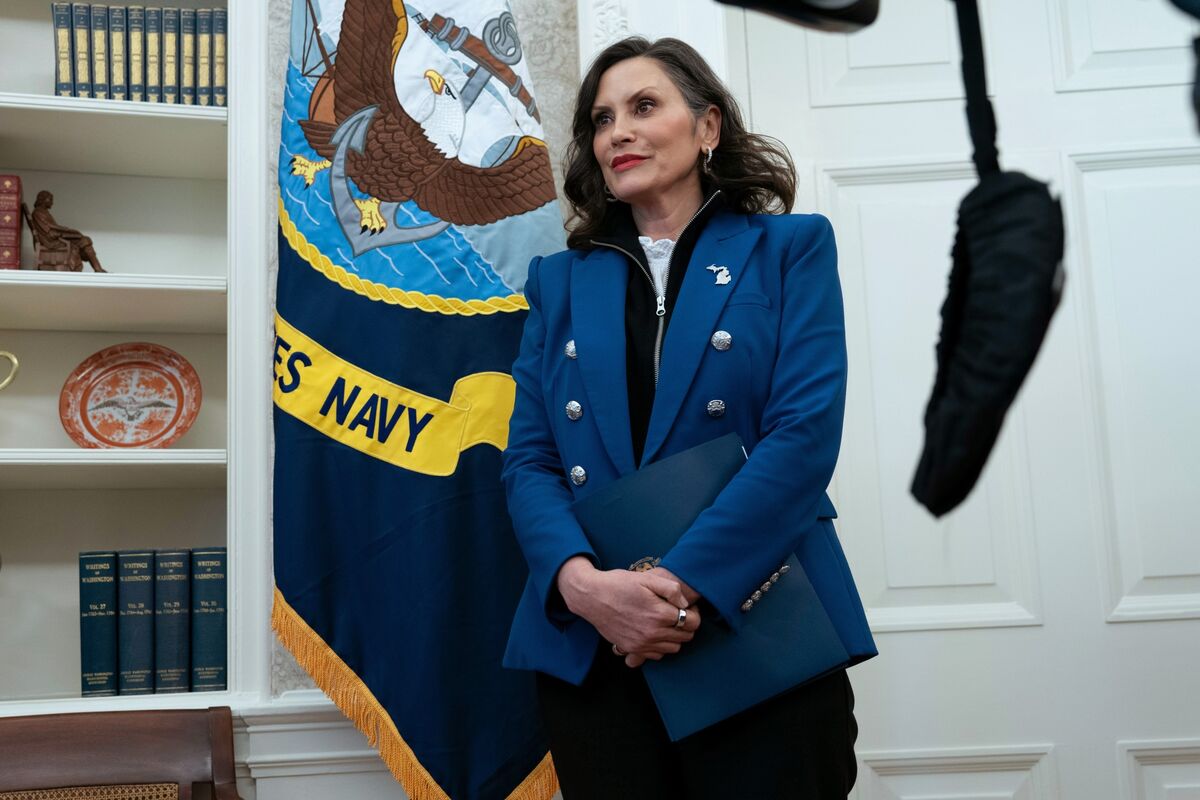
Michigan Governor Gretchen Whitmer informed President Trump that his tariffs are negatively impacting the state's critical auto industry, specifically highlighting how duties on Canada and Mexico are detrimental to Michigan's economy and job creation. This interaction underscores increasing political and economic pressure from key manufacturing states regarding current trade policies, signaling potential implications for future trade negotiations and the automotive sector.
A closed-door meeting between Michigan Governor Gretchen Whitmer and President Donald Trump has highlighted escalating political and economic pressure against US tariff policy. The governor explicitly stated that tariffs, particularly those affecting trade with Canada and Mexico, are having a negative effect on Michigan's vital auto industry. This direct communication from the leader of a key manufacturing state underscores the tangible economic friction caused by current trade duties on the highly integrated North American automotive supply chain. The discussion, framed around the need for job creation, signals that the real-world consequences of these tariffs are becoming a significant political issue. While no specific companies were mentioned, the moderately negative sentiment of this development points to a persistent headwind for the auto sector, threatening profit margins and operational stability for any manufacturer reliant on cross-border components and assembly.
AI-powered research, real-time alerts, and portfolio analytics for institutional investors.
Request DemoOverall Sentiment
moderately negative
Sentiment Score
-0.50
