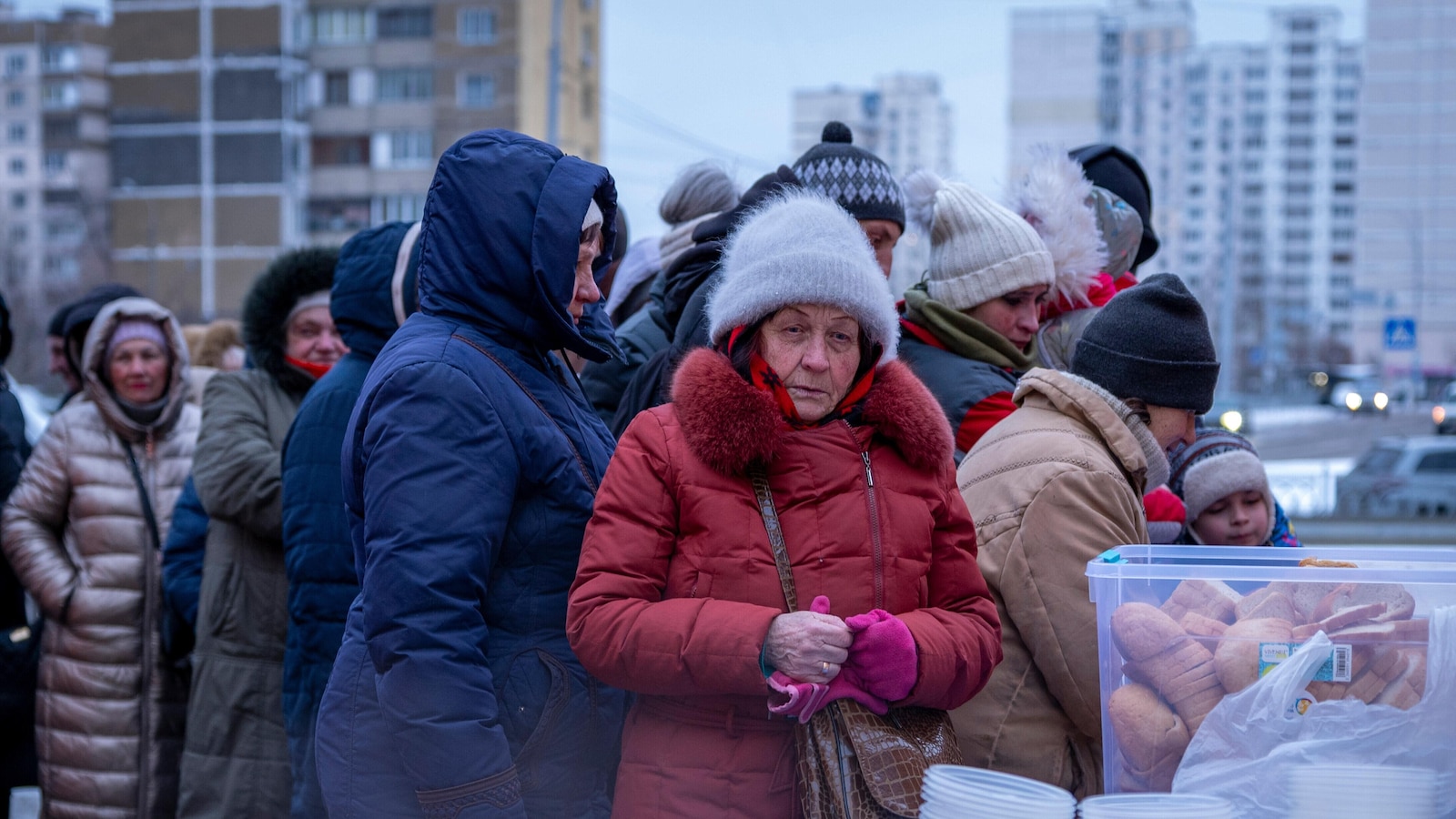
Emergency power cuts hit multiple Ukrainian cities and neighboring Moldova after a technical failure on power lines linking the two countries triggered cascading outages, compounding weeks of Russian strikes on Ukraine’s energy grid. The outages have cut water and heating services in Kyiv amid forecasts of temperatures as low as -30°C and come as Moscow reportedly agreed to a temporary pause in strikes on Kyiv; Russia continues targeting logistics and residential areas. For investors, this heightens regional geopolitical and infrastructure risk, increases the potential for further energy-supply disruption in the region and could prompt renewed safe-haven flows and reassessments of exposures to Eastern European and energy-related assets.
Market structure: Immediate winners are LNG exporters and global gas traders (price-setting power for Cheniere-like suppliers), defense contractors (Lockheed LMT, Raytheon RTX) and rebuild/engineering firms; direct losers are Ukrainian/Moldovan utilities, regional insurers, and short-term commercial logistics operators. A colder-than-normal spell (to -30C) + energy-asset strikes signals tight near-term gas-to-power supply; expect spot premium on European TTF/JKM and upward pressure on Henry Hub-linked flows for 2–8 weeks.
Risk assessment: Tail risks include escalation to nationwide European outages or a Russian denial of LNG shipping (low-probability, high-impact) and a diplomatic breakthrough that materially eases strikes (catalyst that would depress energy premiums). Immediate window (days) = price spikes/volatility; short-term (weeks–months) = contract roll and shipping constraints; long-term (quarters–years) = capex reallocation into resilient grid and defense, structural uplift to LNG FSRU and storage investments.
Trade implications: Favor short-dated, directional exposure to gas and defense while buying convex hedges — e.g., 1–3 month call spreads on LNG producers and 6–18 month equities in major defense primes. Rotate away from EM sovereign credit and regionally exposed utilities; increase allocation to hard-asset inflation hedges (gold) and nominal safe-havens (USTs) as volatility hedge.
Contrarian angles: Consensus may overprice persistent gas scarcity — storage refill and diverted LNG cargo economics can relieve spot by Q3, capping upside. Underappreciated winners include European grid-construction contractors and FSRU owners (long-term structural demand). Avoid one-way conviction: buy optionality (call spreads, limited-risk longs) rather than outright leveraged spot exposure.
AI-powered research, real-time alerts, and portfolio analytics for institutional investors.
Request DemoOverall Sentiment
strongly negative
Sentiment Score
-0.60
