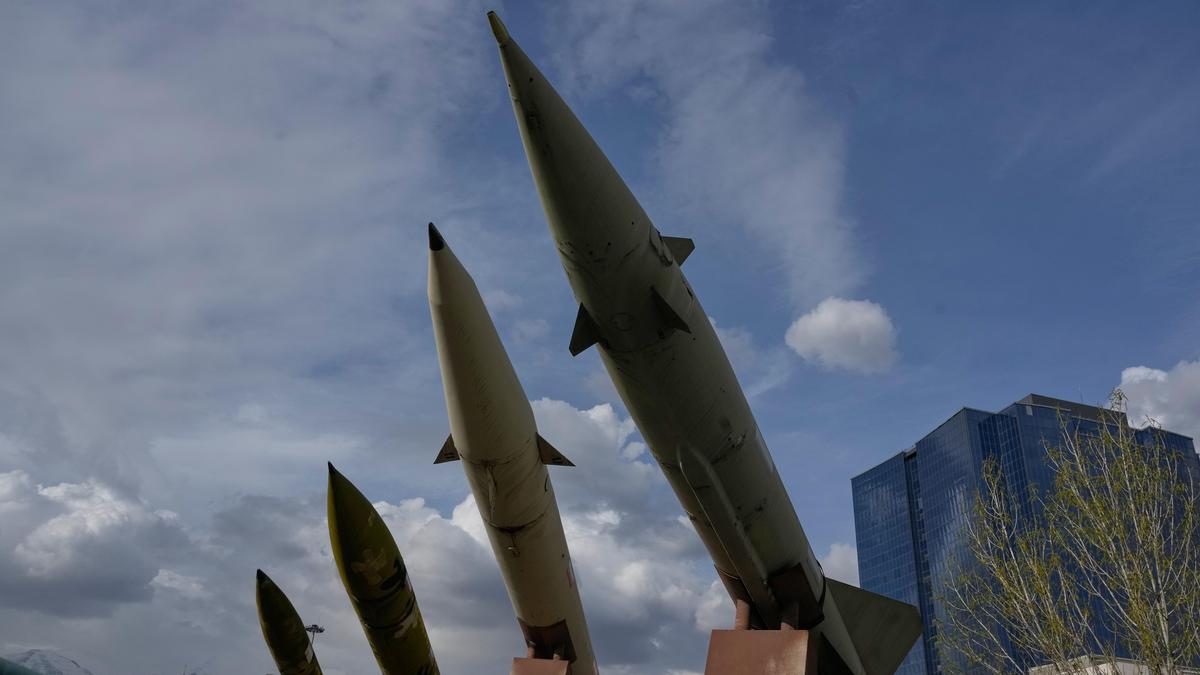
Israel struck Tehran on March 26, 2026, with Iranian media reporting strikes hit a residential area; the strikes follow the February 28 assassination of Supreme Leader Ayatollah Ali Khamenei and other leaders that precipitated the war. The U.S. reportedly sent a 15-point proposal offering a ceasefire and sanctions relief in return for Iran abandoning its nuclear programme and reopening the Strait of Hormuz; Iran has responded with five conditions to end hostilities. Regional diplomacy is tense, with reports of Pakistan mediating and India's External Affairs Minister S. Jaishankar publicly criticizing Pakistan's role.
Market moves will be driven more by risk premia and real economic friction than headline noise. A Gulf-centric supply shock typically adds a short-term Brent premium in the low single-digits to low double-digits ($3–$12/bbl) from rerouting, war-risk insurance and spare-capacity disciplining; those increments disproportionately benefit short-cycle US producers while compressing downstream margins for airlines and trade-heavy sectors within weeks.
Defense and industrial suppliers stand to capture both immediate order-flow and a multi-year re-rating if the conflict lengthens or broadens — procurement cycles, accelerated inventory of munitions and high-end sensors create multi-year revenue visibility, but capex lead times mean earnings upgrades materialize over 6–18 months rather than instantly. Conversely, EM sovereign credit and regional banking are the fastest to show stress: a sustained risk-off would plausibly widen EMB-like spreads 150–400bp and re-price local-currency debt within days to weeks.
Tail scenarios dominate P/L asymmetry: a rapid diplomatic settlement or convincingly contained tactical strikes can erase much of the commodity/insurance premium within 2–6 weeks, while asymmetric Iranian attacks on shipping or infrastructure could persistently add premiums and force structural rerouting for months. Key catalysts to watch are concrete third-party mediation terms (sanctions relief vs nuclear concessions), sudden closures or mine-laying in choke points, and western defense procurement announcements — each has discrete, short-dated and layered impacts.
Second-order winners include reinsurers and specialist engineering vendors that sell remediation and hardened infrastructure (1–2 quarters to order flow), and freight owners (container & tanker owners) that can capture elevated rates for months; losers include transient demand-exposed consumer sectors, airlines, and frontier EM credit. Positioning should therefore separate short-duration tactical plays from longer-duration structural plays tied to defense capex and energy supply responses.
AI-powered research, real-time alerts, and portfolio analytics for institutional investors.
Request DemoOverall Sentiment
extremely negative
Sentiment Score
-0.92
