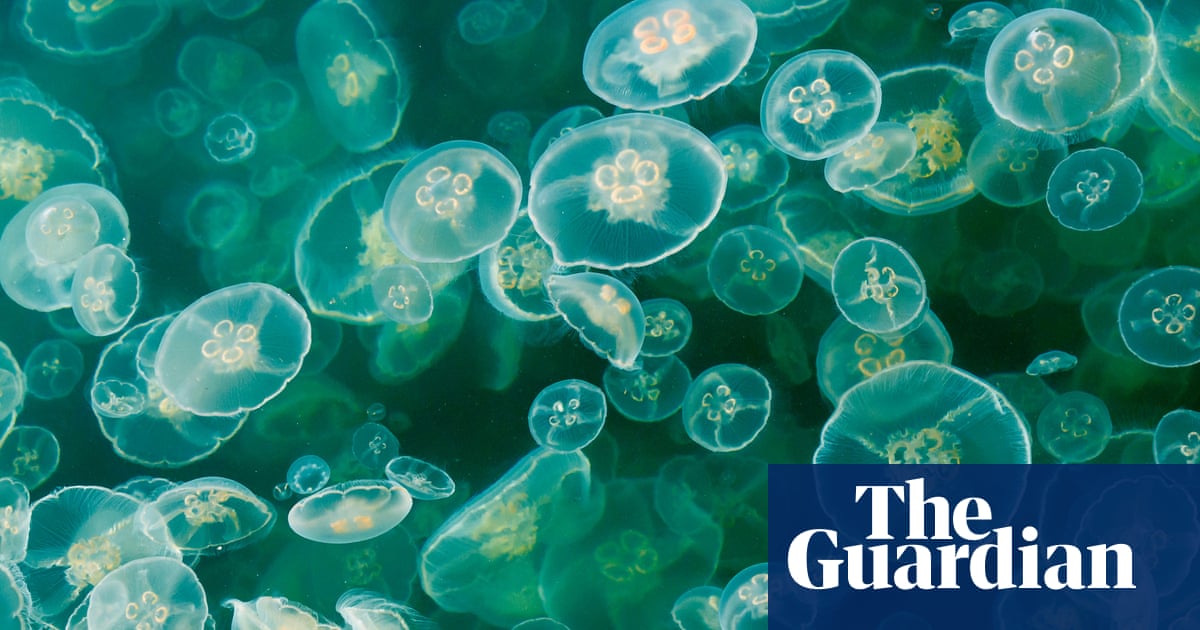
France's Gravelines nuclear power plant, operated by state-owned EDF, was forced to shut down all operational reactors after a 'massive' jellyfish swarm clogged its water intake cooling systems. The incident took the entire plant, capable of powering 5 million homes, offline, though EDF reported no safety impact and no immediate change to electricity exports. This event highlights the persistent operational vulnerability of coastal energy infrastructure to marine biological phenomena, a challenge that has historically impacted power plants worldwide.
The complete, albeit temporary, shutdown of EDF's Gravelines nuclear power plant in France highlights a significant and recurring operational vulnerability for coastal energy infrastructure. A 'massive and unpredictable' jellyfish swarm disabled the cooling systems of all four operational reactors, taking a facility capable of powering approximately 5 million homes offline. While state-owned EDF reported no compromise to safety or immediate impact on electricity exports to the UK, the incident underscores a material risk factor. This is not an isolated event; the article notes similar shutdowns at other EDF-owned assets, such as the Torness plant in Scotland in 2011 and 2021, and at plants in the US, Japan, and China. These events represent a systemic, non-financial risk with direct financial implications, leading to lost generation, revenue, and increased maintenance costs. The development of predictive 'early warning tools' indicates the industry is beginning to seek technological solutions for a natural phenomenon that poses a persistent threat to the operational reliability of critical energy assets.
AI-powered research, real-time alerts, and portfolio analytics for institutional investors.
Overall Sentiment
moderately negative
Sentiment Score
-0.40
