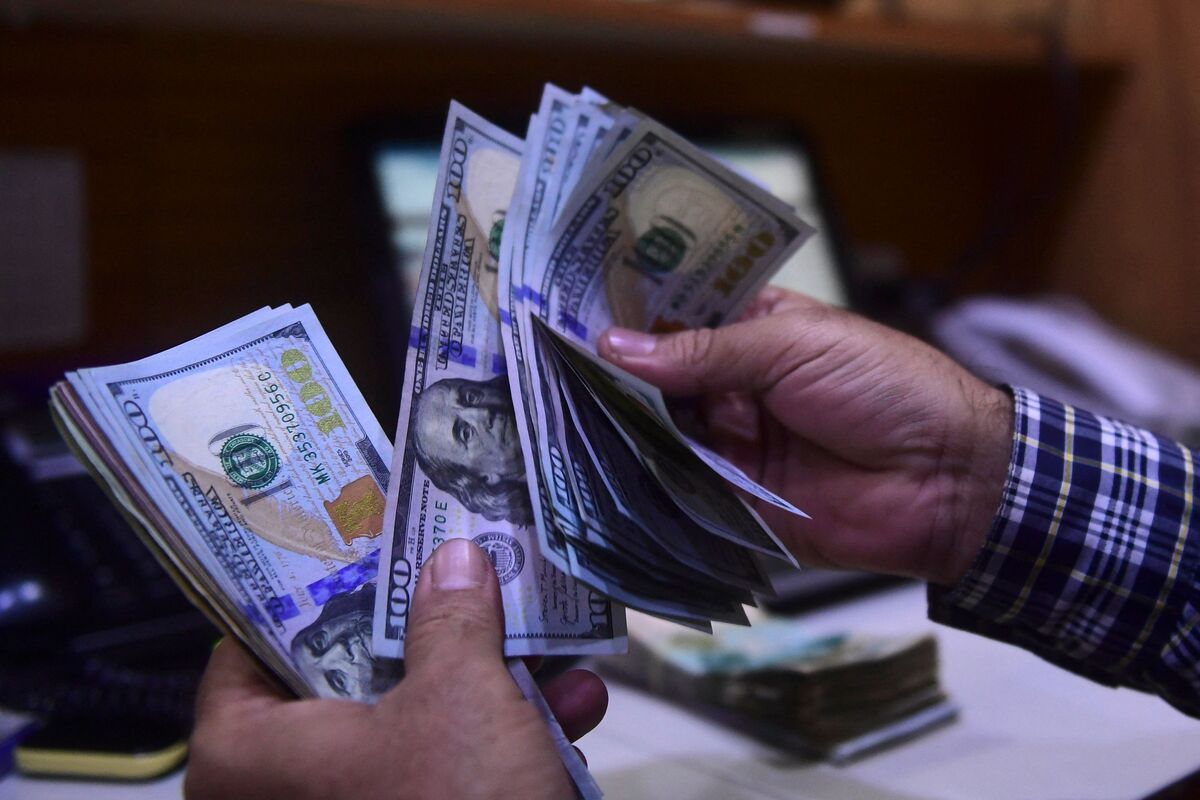
A potential shift away from the U.S. dollar's dominance in Asia is being explored, with the podcast focusing on the possible implications for the region's financial markets. The analysis likely covers alternative currencies, trade dynamics, and investment flows that could be affected by a reduced reliance on the dollar within the Asian economic landscape.
The financial markets are currently observing discussions around a potential unwinding of the U.S. dollar's traditional dominance within Asian economies, a theme explored in a 'Big Take Asia' podcast. While the sentiment surrounding this development is currently neutral (sentiment score 0.0) and the prevailing tone is uncertain, the associated market impact score of 0.8 indicates that any materialization of this trend could have significant repercussions for the region's financial markets. The analysis is expected to cover the implications of a reduced reliance on the dollar, potentially affecting alternative currencies, regional trade dynamics, and investment flows within Asian emerging markets. The lack of specific entities or immediate directional signals suggests this is an evolving thematic consideration rather than an event-driven reaction.
AI-powered research, real-time alerts, and portfolio analytics for institutional investors.
Request DemoOverall Sentiment
Neutral
Sentiment Score
0.00
