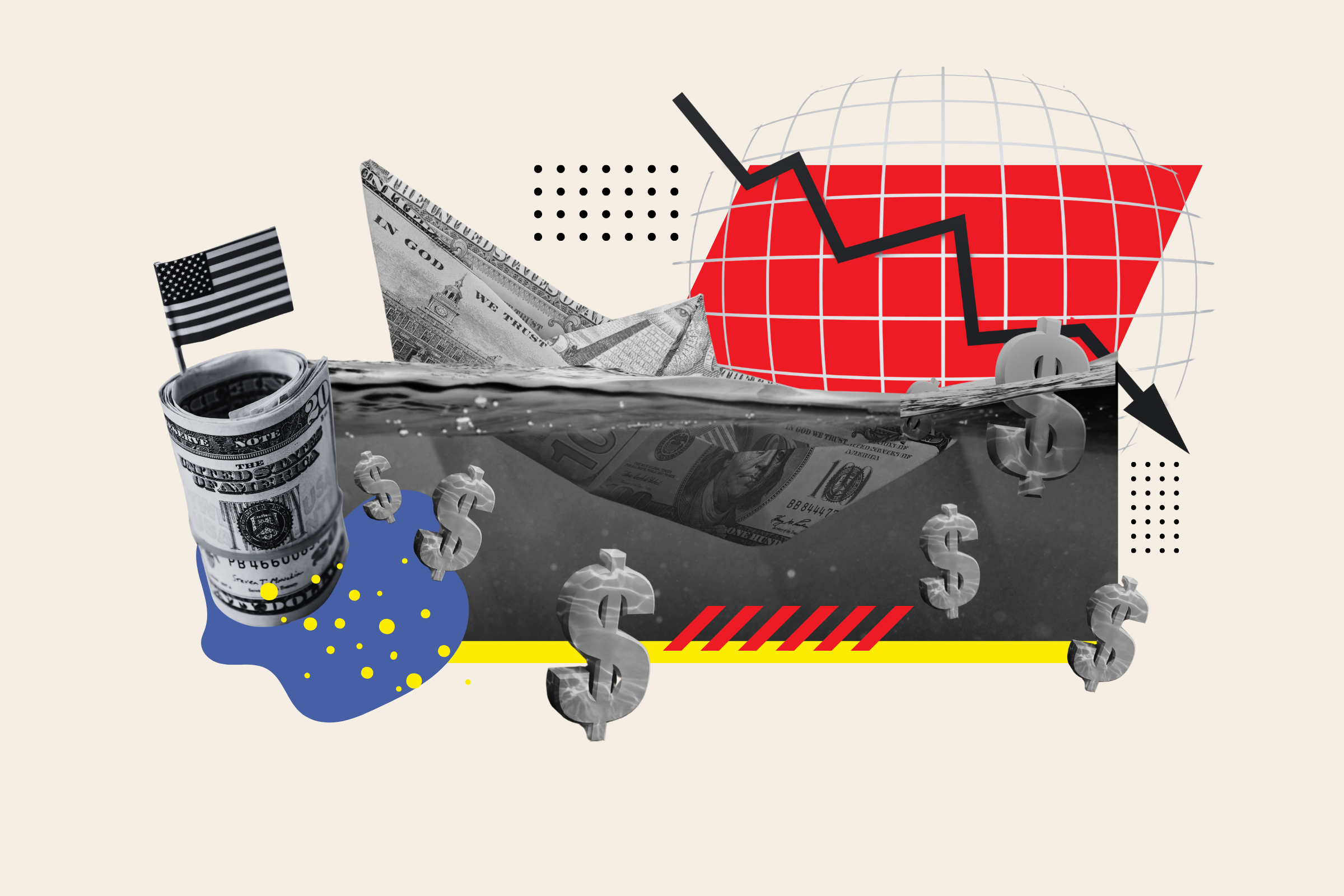
The U.S. Dollar Index has fallen over 10% in six months, marking its steepest first-half slump since 1973, primarily driven by President Trump's economic agenda, including a deficit-inflating budget bill and the implications of reciprocal tariffs. Experts attribute this depreciation to reduced global investor confidence in U.S. policy stability and the prospect of lower interest rates, which, while potentially boosting exports, also risks domestic inflation, higher import costs, and the dollar's long-term status as the world's reserve currency. Economists anticipate continued downward pressure on the dollar into 2025 and beyond due to a weakened growth outlook and persistent fiscal concerns.
The U.S. Dollar Index is experiencing a significant downturn, having declined over 10% in the last six months, marking its most severe first-half slump since 1973. This depreciation is attributed to a confluence of factors stemming from the current administration's economic policies. The passage of a new budget bill, which extends tax cuts and adds new spending, is projected by fiscal watchdogs to inflate the national deficit, eroding investor confidence. Simultaneously, the implementation of reciprocal tariffs and the threat of higher rates are slowing the U.S. economy, with the OECD cutting its growth outlook to 1.6% from 2.2%. Economists note that this combination of fiscal expansion, protectionist trade policy, and the prospect of the Federal Reserve lowering interest rates has diminished the appeal of dollar-denominated assets. While a weaker dollar is aligned with the administration's goal of boosting exports, it also introduces significant economic risks, including higher import costs, domestic price inflation, and a potential erosion of the dollar's long-standing status as the world's primary reserve currency. Experts anticipate this downward pressure will persist, with one forecast suggesting stabilization in the second half of the year followed by renewed depreciation in 2025 due to a weakened growth outlook and fiscal sustainability concerns.
AI-powered research, real-time alerts, and portfolio analytics for institutional investors.
Overall Sentiment
strongly negative
Sentiment Score
-0.70
