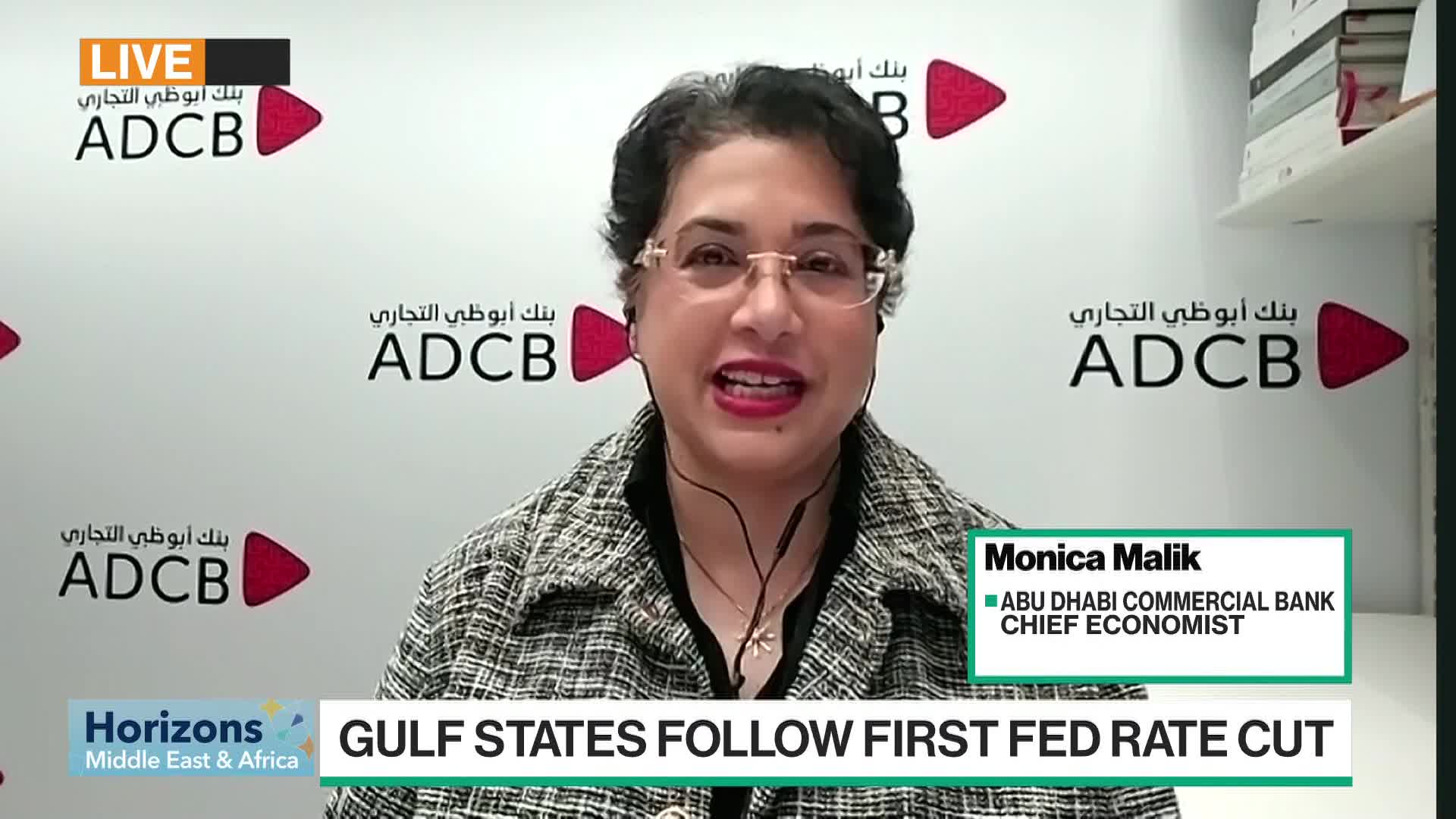
Following the Federal Reserve's recent rate cut, Gulf states have similarly reduced their interest rates. This synchronized monetary policy action is crucial for maintaining their currencies' peg to the US dollar, as noted by Monica Malik, Chief Economist at Abu Dhabi Commercial Bank, highlighting the direct impact of Fed policy on regional financial stability and liquidity management.
Following the U.S. Federal Reserve's first interest rate cut of the year, Gulf Cooperation Council (GCC) central banks have enacted corresponding rate reductions. This synchronized monetary policy action is a direct and necessary measure to defend the long-standing currency pegs of regional currencies to the U.S. dollar. As highlighted by Monica Malik, Chief Economist at Abu Dhabi Commercial Bank, this reaction underscores the limited monetary policy autonomy of these nations, where maintaining the peg takes precedence. The move demonstrates a clear policy transmission mechanism from the U.S. to the Gulf, immediately influencing regional liquidity and borrowing costs, and effectively importing U.S. monetary conditions regardless of domestic economic needs.
AI-powered research, real-time alerts, and portfolio analytics for institutional investors.
Request DemoOverall Sentiment
neutral
Sentiment Score
0.00
