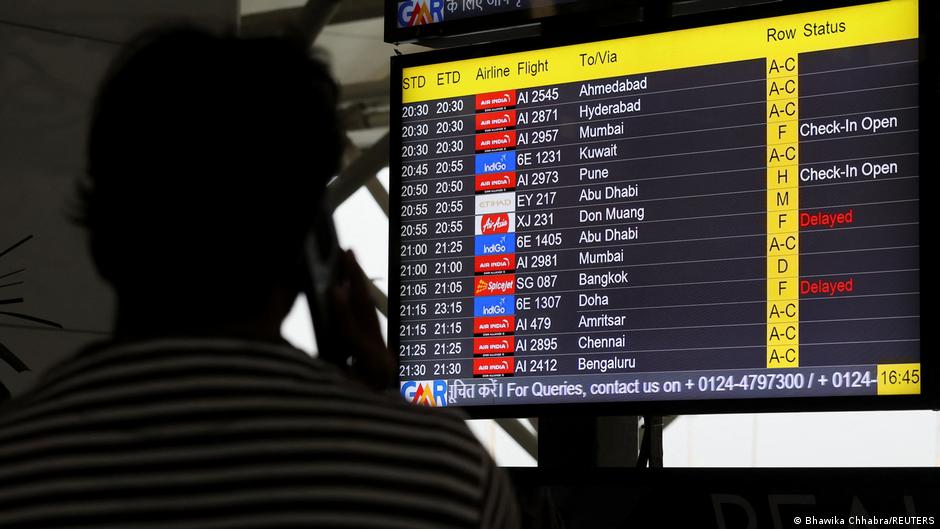
IndiGo has suffered multi-day operational disruptions after at least 175 cancellations early Thursday (following 150 cancellations on Wednesday), stranding passengers at major Indian airports; the carrier operates over 2,000 daily flights with a fleet of 400+ and accounts for roughly 60% of India’s domestic market. The airline attributes the disruption to a combination of newly implemented crew rostering regulations (weekly pilot rest increased from 36 to 48 hours and night landings capped at two per week), winter schedule adjustments, tech glitches, weather and system congestion; regulators (DGCA) have summoned IndiGo for a meeting. The event poses near-term revenue and reputational risk and regulatory scrutiny for the company, with management warning issues could persist for roughly another 48 hours.
Market structure: This is a concentrated shock to India’s dominant carrier — InterGlobe Aviation (IndiGo) operates ~2,000 daily flights and recent cancellations (≈325 over two days) imply a ~15–20% short-term disruption to capacity. Immediate winners are competitors with spare crew/slots (SpiceJet, state-backed Air India) who can pick up yield-rich routes; airports and ground-handling vendors may see transient revenue but little margin expansion.
Competitive dynamics: If crew-rest rules effectively reduce pilot utilization (36→48 hours weekly is a ~33% rise in required rest), expect sustainable capacity reduction of 5–15% for carriers unable to re-roster quickly; that shifts pricing power upward for remaining carriers and raises unit crew cost 5–10% QoQ. Market share swings can be material in weeks if IndiGo’s on-time reliability and frequencies are cut.
Cross-asset & risks: Expect a volatility spike in IndiGo equity and options (IV +30–60% near-term), modest widening of credit spreads for airline debt, and negative near-term pressure on INR (small, <1%) if travel sentiment deteriorates. Tail risks: DGCA penalties, forced schedule cuts, or broader regulatory tightening could remove 5–20% of domestic capacity for months; reputational flight-loss could depress revenues 3–8% over the next quarter.
Catalysts & timing: Key near-term catalysts are the DGCA meeting (within 48–72 hours), daily cancellation trajectory over the next 7–14 days, and any formal guidance on enforcement timelines. If cancellations revert to <3% daily within 7 days, this is a transient operational issue; persistence above 8–10% for >2 weeks implies structural capacity/roster constraints and justifies longer-term positioning.
AI-powered research, real-time alerts, and portfolio analytics for institutional investors.
Request DemoOverall Sentiment
moderately negative
Sentiment Score
-0.50
