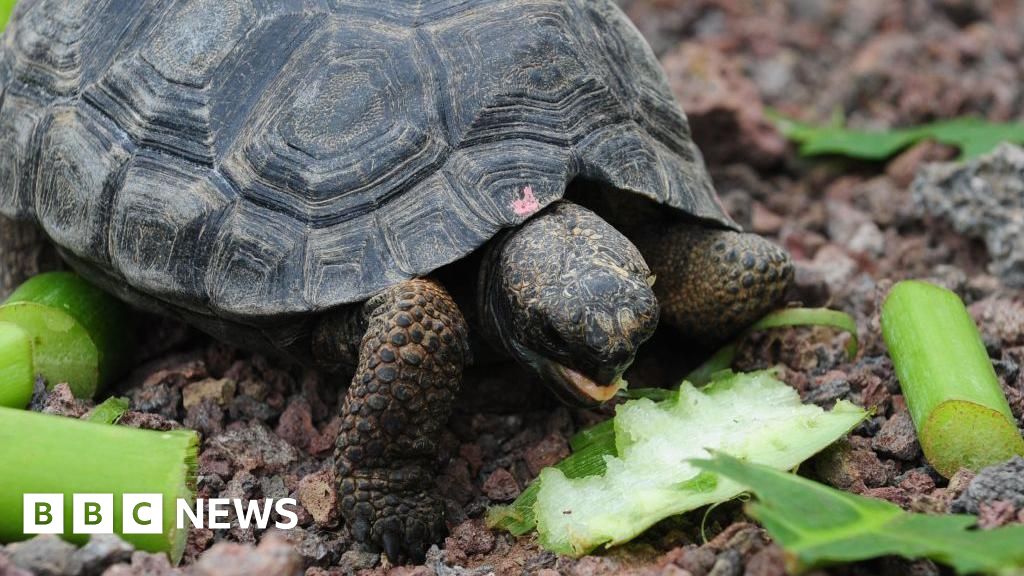
Conservationists released 158 captive‑bred juvenile Floreana giant tortoises onto Floreana Island — the first native tortoises there in more than 180 years — under the Floreana Ecological Restoration Project led by the Galápagos National Park Directorate. The reintroduction follows a back‑breeding programme launched after a 2008 discovery of Floreana ancestry, which selected 23 hybrids for captive breeding and produced more than 600 hatchlings by 2025; the initiative may bolster ecosystem recovery and support biodiversity‑linked tourism and conservation financing opportunities.
Market structure: This conservation milestone subtly reweights demand toward high-margin, low-volume eco-tourism and specialist operators (expedition cruises, guided nature lodges) while leaving mass tourism largely unaffected. Expect incremental pricing power for operators with certified conservation credentials (booking premiums of +5–15% possible in target markets) and rising demand for biodiversity credits that could create nascent supply (project) finance opportunities over 1–3 years.
Risk assessment: Tail risks include disease outbreaks, regulatory travel caps, or project setbacks that could force temporary closures and reputational loss for associated operators; probability low but impact high within 3–12 months. Hidden dependencies: growth relies on permit regimes, Ecuadorian park policy and airlift capacity from mainland Ecuador — any tightening compresses volumes while boosting per-trip ARPU.
Trade implications: Tactical exposures favor small-cap specialist public names (e.g., LIND) and premium lodging platforms (ABNB) over large cruise lines (CCL) and commodity tourism suppliers. Options: use 3–6 month call spreads to capture booking-season rerating while capping premium; consider pair trades (long LIND, short CCL) to isolate eco-tourism alpha.
Contrarian angles: Consensus underestimates the regulatory upside — stricter visitor caps could elevate EBITDA margins for permit-backed operators by 200–500bps over 2–4 years, while simultaneously reducing overall ticket volumes. Conversely, success could accelerate biodiversity-credit standardization, creating private-market return streams (target IRR 8–15%) that public markets have not yet priced.
AI-powered research, real-time alerts, and portfolio analytics for institutional investors.
Request DemoOverall Sentiment
mildly positive
Sentiment Score
0.35
