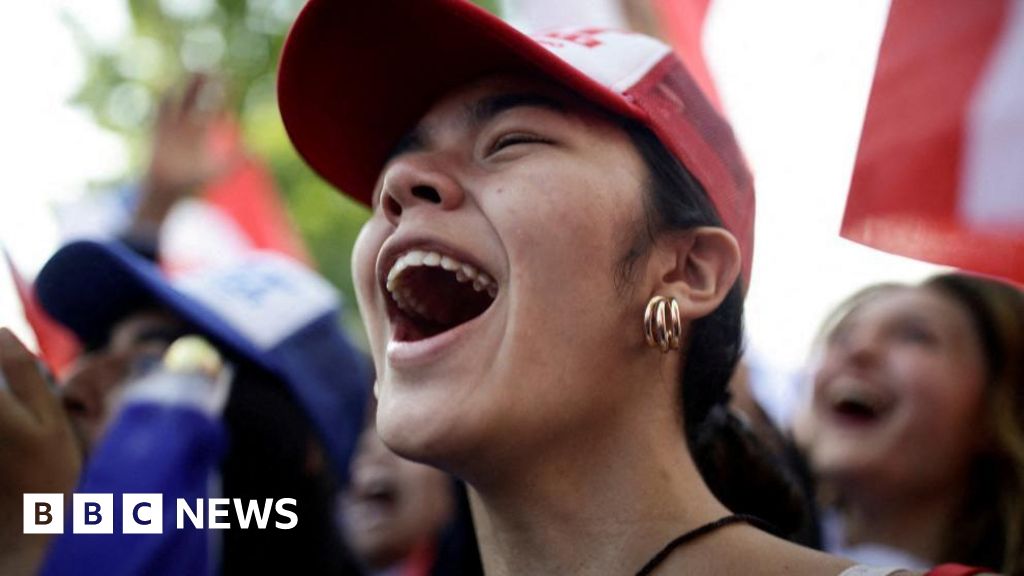
José Antonio Kast, a hardline conservative who has praised Pinochet, won Chile’s presidency as voters prioritized crime and migration, pledging an “emergency government” with measures such as a border wall and mass deportations. Chile hosted nearly two million foreign-born residents by 2023 (a 46% rise since 2018) and an estimated 336,000 undocumented migrants—rapid demographic change that, despite falling homicide rates since a 2022 peak, has fueled public anxiety. Large-scale deportations face legal and diplomatic constraints (Venezuela will not accept returns) and are likely to be limited in practice, yet stricter enforcement could disrupt labor-intensive sectors—fruit harvesting and other exporters depend on migrant workers and could see higher costs and supply-chain strain. Kast’s party lacks a congressional majority so major measures will require negotiation, but his likely rapid security-focused actions and the social tensions they may provoke raise political and execution risks for investors in Chilean domestic and export-oriented businesses.
José Antonio Kast's presidential victory reflects a decisive shift toward security- and migration-focused policy in Chile, with voters prioritizing crime and immigration despite falling homicide rates since a 2022 peak. The electorate reacted to rapid demographic change: nearly two million foreign-born residents by 2023 (a 46% rise since 2018) and an estimated 336,000 undocumented migrants, driving political support for measures such as a border wall, mass deportations and an "emergency government."
Kast signalled intent to move quickly — including deploying the military to the border and tougher sentencing — but face practical and political limits: Venezuela has refused to accept deportees, large-scale removals have so far been limited, and his party lacks a congressional majority, meaning major measures will require negotiation or compromise.
Economic implications are concentrated in labour-intensive sectors: agriculture, fruit harvesting and food services depend materially on migrant labour and could see higher input costs, labour shortages and export strain if enforcement tightens. Combined with a moderately negative sentiment score (-0.4) and a market_impact_score of 0.38, the situation presents meaningful political and execution risk for domestic-facing and export-oriented businesses in Chile.
AI-powered research, real-time alerts, and portfolio analytics for institutional investors.
Request DemoOverall Sentiment
moderately negative
Sentiment Score
-0.40
