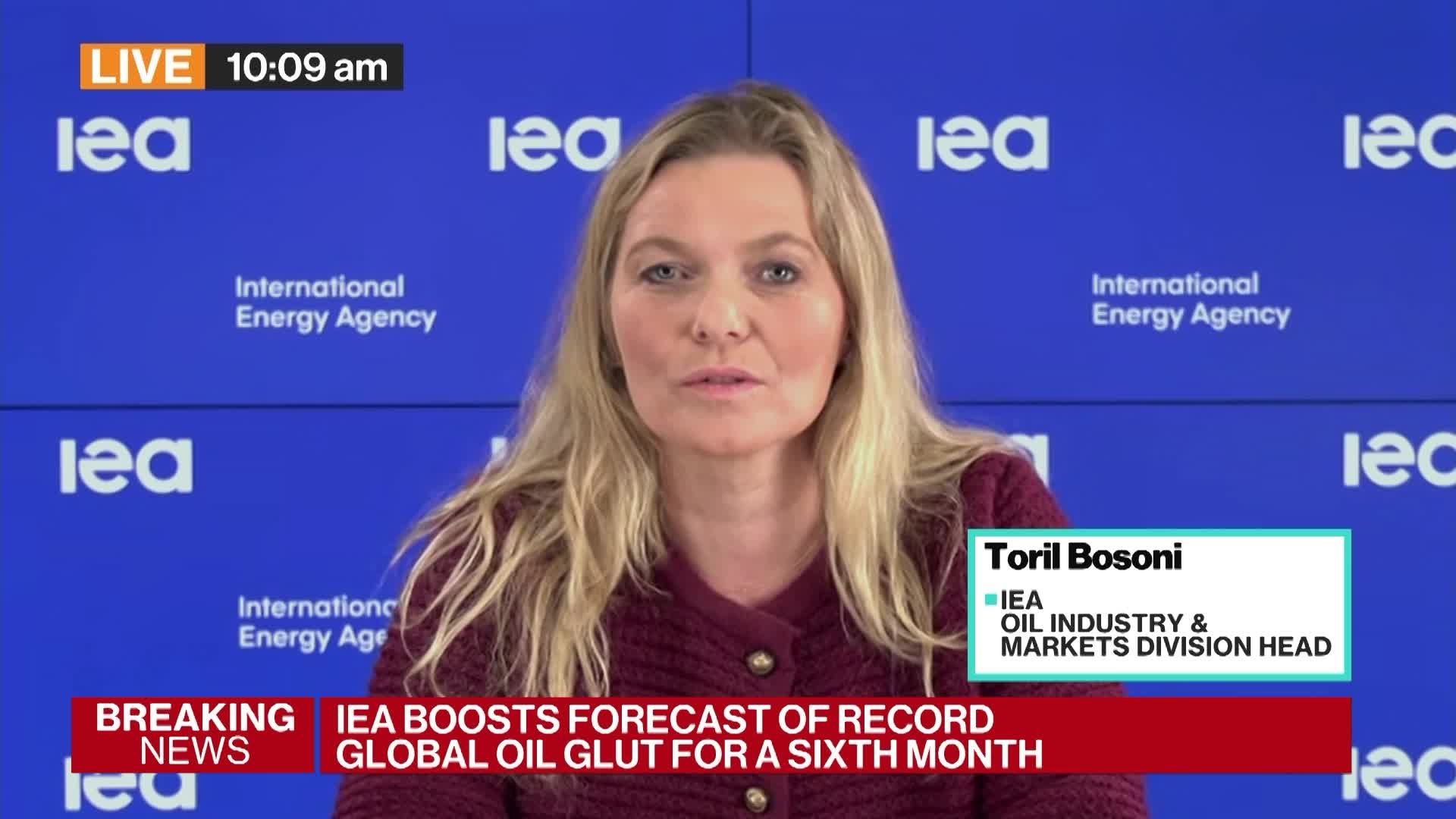
The International Energy Agency (IEA) has reported that global oil supply continues to rise, a key development that could impact crude oil prices and influence investment strategies within the energy sector.
The International Energy Agency (IEA) has reported a sustained increase in global oil supply, as highlighted by Bosoni. This ongoing trend suggests a potentially well-supplied crude market, which typically exerts downward pressure on crude oil prices and could impact revenue streams for upstream producers.
A continued rise in supply, particularly if not matched by robust demand growth, could lead to inventory builds and a softening of overall commodity prices. This development is crucial for investors monitoring the energy sector and broader commodity markets, indicating a shift in market dynamics towards relative abundance.
For energy sector investments, this implies a need for careful evaluation of companies' cost structures and hedging strategies. While exploration and production (E&P) companies might face margin compression, midstream and downstream operations could potentially benefit from lower input costs, leading to improved margins. The neutral sentiment and moderate market impact score suggest this is a significant factual observation rather than an immediate bullish or bearish catalyst.
AI-powered research, real-time alerts, and portfolio analytics for institutional investors.
Request DemoOverall Sentiment
neutral
Sentiment Score
0.00
