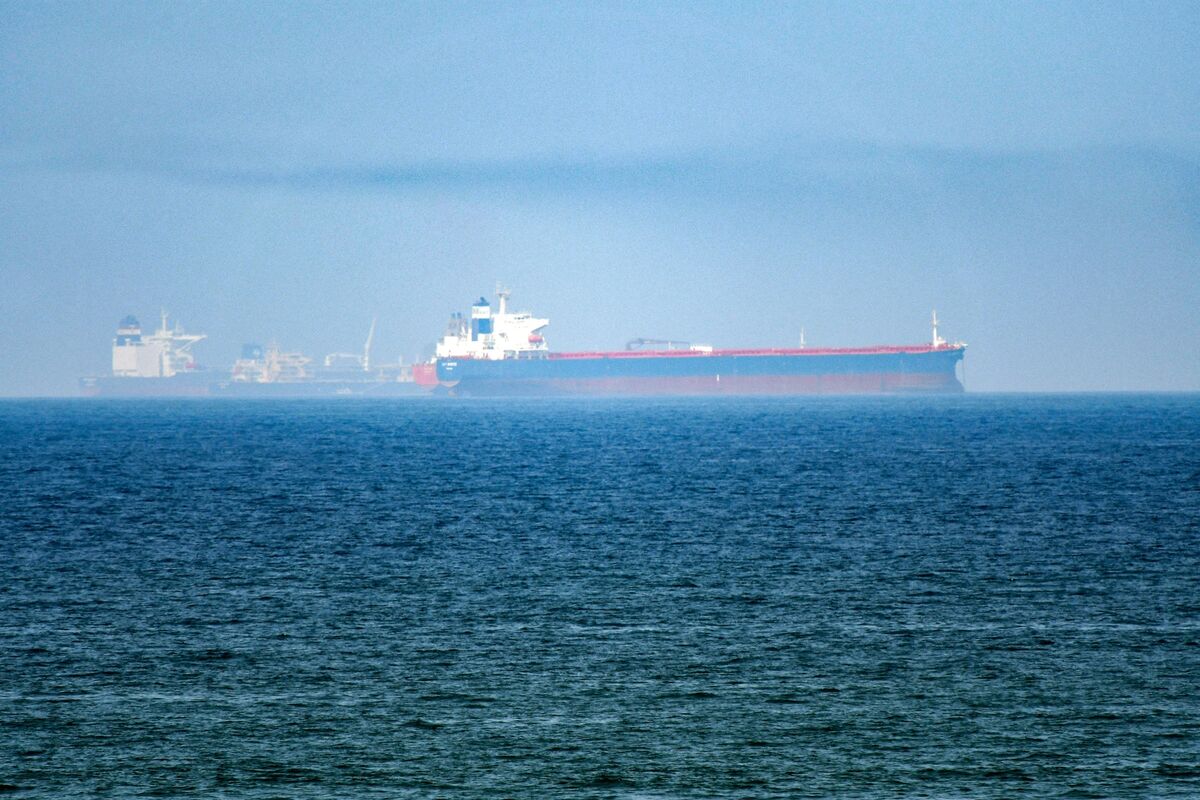
Russia's Primorsk port has resumed oil loadings following Ukrainian drone attacks on Friday, with two crude tankers, Walrus and Samos, completing operations over the weekend. This swift resumption indicates the port's operational resilience and continued capacity for Baltic Sea oil exports despite geopolitical tensions.
Russia's Primorsk port has demonstrated operational resilience by resuming crude oil loadings following Ukrainian drone attacks. Ship tracking data confirms that two tankers, Walrus and Samos, completed loadings over the weekend, indicating that the immediate impact on physical supply from this key Baltic Sea terminal was minimal and short-lived. The swift return to service alleviates near-term concerns of a significant disruption to Russian oil exports, which could have tightened the market. The departure of one tanker and the stated destination of another for Turkey suggest a rapid normalization of logistics. However, the incident itself underscores the persistent geopolitical risk to Russian energy infrastructure, implying that while this event was managed quickly, the potential for more impactful future attacks on supply chains remains a salient factor for energy markets.
AI-powered research, real-time alerts, and portfolio analytics for institutional investors.
Request DemoOverall Sentiment
mildly positive
Sentiment Score
0.25
