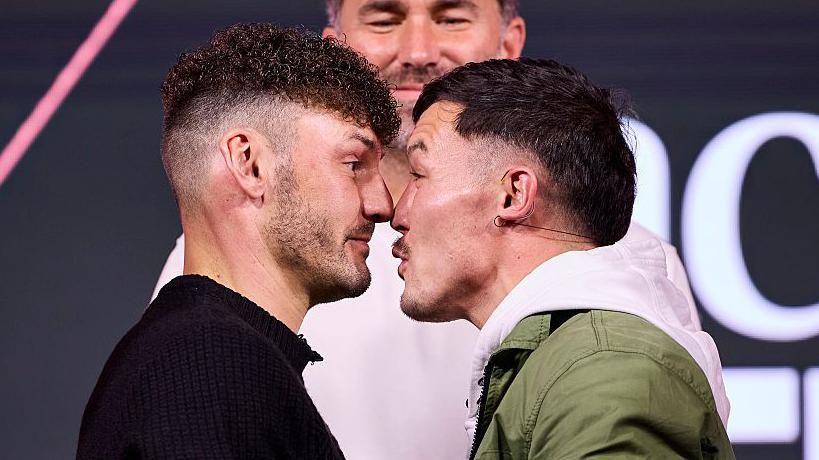
Tyson Fury has announced a ring return in 2026 after retiring following a December 2024 defeat to Oleksandr Usyk; the 37-year-old holds a professional record of 34 wins, 2 losses and 1 draw. His comeback—fuelled by recent training footage and promoter interest—reopens possibilities for lucrative pay‑per‑view events and Saudi‑backed shows, including a potential but now uncertain clash with Anthony Joshua, with implications for promoters, broadcasters and Saudi sports investors if the fights materialize.
Market Structure: Fury’s confirmed 2026 comeback is a discrete event driving incremental pay‑per‑view, sponsorship and travel demand rather than systemic change. Direct beneficiaries are sports‑media holders and sportsbooks — think Comcast (CMCSA), Paramount (PARA) and DraftKings (DKNG) — while smaller regional casino operators and niche streaming platforms without deep pockets may be squeezed. Pricing power for a marquee heavyweight (ticket/PPV pricing) should support short windows of elevated revenue (weeks surrounding the bout) but is highly binary on opponent/venue rights.
Risk Assessment: Tail risks include fight cancellation (injury, geopolitical), Western broadcasters shunning Saudi deals for ESG reasons, or diminished fan interest producing <50% of expected incremental revenue. Immediate (days) impact: social/odds volatility and options IV spikes; short term (weeks/months): ticketing, rights negotiations and sponsorship announcements; long term: no durable uplift to a media owner unless recurring events are contracted. Hidden dependency: opponent confirmation (Joshua injured) and Saudi PIF involvement are gating items that materially change economics.
Trade Implications: Event-driven trades favor sports‑betting exposure and conditional media longs. Tactical: buy event-dated call exposure on DKNG or MGM (if hosting/betting share confirmed) and take small conditional stakes in broadcasters once rights are announced; expect 10–30% event-driven moves but limit sizing to 1–2% positions. Options: buy 3–9 month call spreads to cap premium paid and sell short-term IV after buzz wanes.
Contrarian Angles: Consensus assumes large Saudi paydays; counterpoint: a domestic Fury vs Wardley fight could halve expected global PPV revenue versus a Fury–Joshua megafight. Historical parallels (comeback box-office spikes from Tyson/Holyfield) show big short-term cash flows but no durable equity rerating. Action must be conditional on opponent, venue and broadcast rights; mispricing exists if the market prices in a megafight before contracts are signed.
AI-powered research, real-time alerts, and portfolio analytics for institutional investors.
Request DemoOverall Sentiment
neutral
Sentiment Score
0.00
