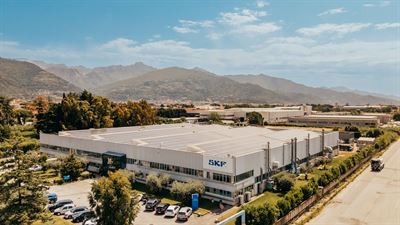
SKF has certified six additional manufacturing sites (Nilai, Malaysia; Puebla, Mexico; Haridwar and Pune, India; Massa, Italy; Ladson, USA) as decarbonized after achieving a 95% reduction in Scope 1 and 2 emissions versus the 2019 baseline and documenting energy-efficiency gains (renewable electricity adoption, phasing out fossil heating, heat pumps, advanced chillers). These six join three previously recognized facilities to form nine decarbonized factories representing almost 20% of SKF’s baseline manufacturing emissions; the company’s SBTi-validated pathway aims for decarbonized operations by 2030. SKF reported 2024 annual sales of SEK 98,722 million and ~38,743 employees, and management frames the investments as enhancing resilience and enabling customer-facing sustainable solutions.
Market structure: SKF’s announcement crystallizes demand-side preference for suppliers that can decarbonize manufacturing footprint quickly. Winners are suppliers of electrification, heat pumps, chillers and renewables (e.g., ABB, Schneider, Emerson) and project developers of corporate PPAs; losers are high-emission OEMs and legacy heat/fuel vendors facing rising tender exclusion. Expect modest pricing power uplift for ESG-compliant industrials over 12–36 months as procurement shifts and tenders incorporate lifecycle emissions.
Risk assessment: Key tail risks are regulatory revalidation (SBTi reversal or stricter audit standards) and supply-chain delays for electrification components that could push CAPEX >20% higher than planned. Immediate market impact is minimal (days); short-term (weeks/months) risk is margin compression from retrofit CAPEX; long-term (quarters/years) benefit accrues via lower energy costs and tender win rates. Hidden dependency: increased electricity exposure creates sensitivity to power prices and grid outages.
Trade implications: Direct alpha comes from long equities of energy-efficiency OEMs and selective industrials with verified SBTi paths while shorting carbon-intensive peers. Use defined-risk option spreads (3–9 month) to lever thesis around expected order uptick. Cross-asset: expect tighter IG spreads for ESG leaders and incremental issuance of green bonds; copper and critical-mineral demand should rise 5–15% over 2–5 years.
Contrarian angles: Consensus overweights “ESG winners” without accounting near-term margin drag from retrofit CAPEX — a 6–12 month earnings miss is possible. Also, perceived decarbonization may mask outsourcing of emissions (Scope 3) or overreliance on uncontracted RE supply. Historical parallel: industrials that electrified in 2010s saw 10–30% multi-year outperformance after initial execution risk passed.
AI-powered research, real-time alerts, and portfolio analytics for institutional investors.
Request DemoOverall Sentiment
mildly positive
Sentiment Score
0.30
