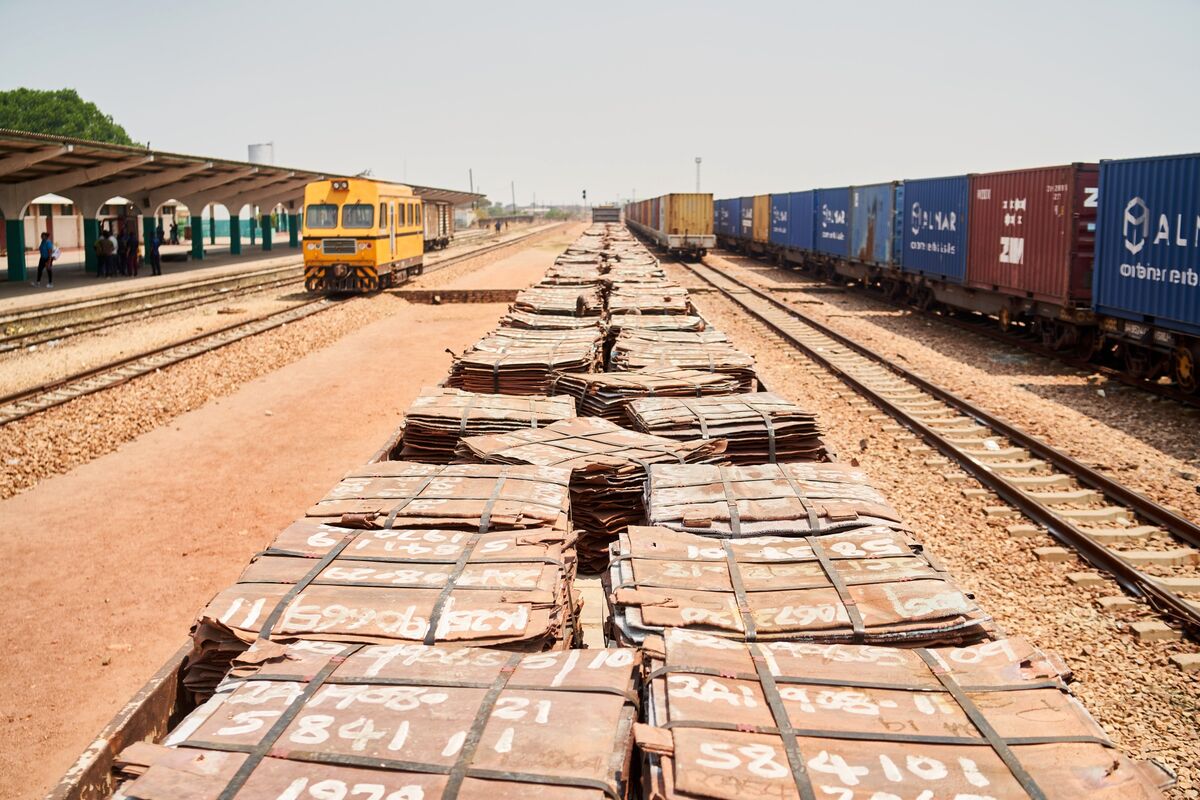
The Zambia-Lobito rail link is estimated to cost up to $5.0 billion for an 830-kilometer line linking Zambia's copper mines to the Lobito port in Angola; construction is due to start this year with completion targeted for 2030. Africa Finance Corp. is the lead developer and sponsor, and an environmental study was published by the Zambia Environmental Management Agency on April 3. The project could materially alter regional copper export logistics and trade flows by providing a direct route to global markets.
The development reduces a structural bottleneck in Zambian export logistics and therefore shifts value away from local trucking, ad-hoc transshipment and short-haul rail chokepoints toward organized rail/port operators and global shippers that can scale. For miners, that is a two-edged sword: near-term cashflow may improve from lower on-the-ground handling costs, but over a multi-year horizon cheaper, faster export capacity increases effective supply to seaborne markets and compresses realised prices per tonne. Smelters and Asian recyclers increase optionality — more reliable volumes lower premia on concentrate offers and can accelerate convergence between spot and long-term contract spreads.
Execution and policy risk dominate the path to impact. The biggest single upside reversal is a material delay or financing gap — that preserves the current constrained export premium and supports miners’ margins; conversely, rapid commissioning combined with capacity-expanding complementary investments at the receiving port triggers the downside supply shock. Social, environmental and FX-repatriation frictions create a high probability of episodic stoppages; theft and derailment are idiosyncratic tail risks that can impose acute shipment losses and insurance premium jumps.
This is a time- and role-dependent story: construction-phase beneficiaries (steel, heavy-equipment, regional contractors) see 12–36 month income upside, while end-state beneficiaries (downstream manufacturers, utilities, copper consumers) capture cheaper feedstock beyond that. The clearest market inefficiency is dispersion between those two windows — public miners are priced to own both outcomes, leaving opportunity for targeted, horizon-specific trades and convex option structures that hedge event risk while expressing a directional view on copper availability and price.
AI-powered research, real-time alerts, and portfolio analytics for institutional investors.
Request DemoOverall Sentiment
neutral
Sentiment Score
0.00
